

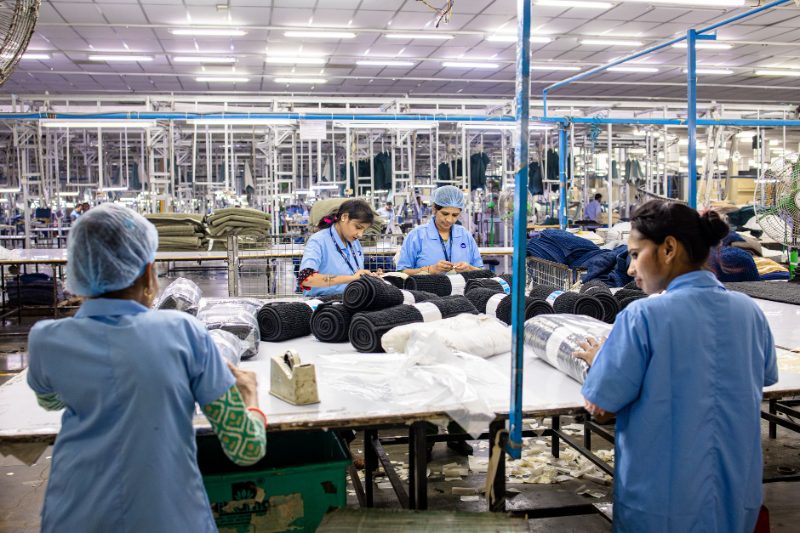
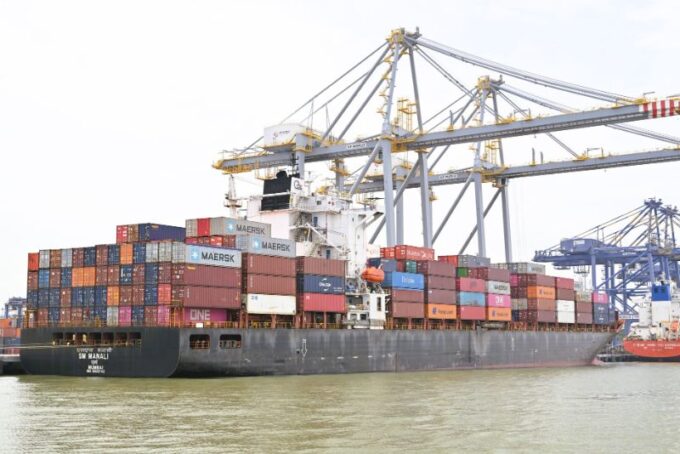
India’s rubber industry is redefining its global role, with rubber products exports crossing USD 4.6 billion annually and industrial rubber demand forecast to grow from 4.93 lakh tonnes to 6.22 lakh tonnes at a CAGR of 4.16% — a trajectory that positions India as a rising strategic partner for global manufacturers seeking China-plus-one supply alternatives. The 6th TechnoBiz Rubber Week 2026, to be held on July 29–31 in Bengaluru at RG Royal Hotel, will bring together global industry leaders to address supply chain resilience, material innovation, and India’s growing export competitiveness in rubber goods.
Lubrizol and Polyhose recently inaugurated a medical manufacturing site in Chennai, Tamil Nadu, producing precision extruded medical tubing for minimally invasive devices — a clear signal that India’s rubber industry is moving well beyond commodity processing into high-value, technically demanding applications for global healthcare supply chains.
Why Is India’s Rubber Industry Becoming a Global Export Hub?
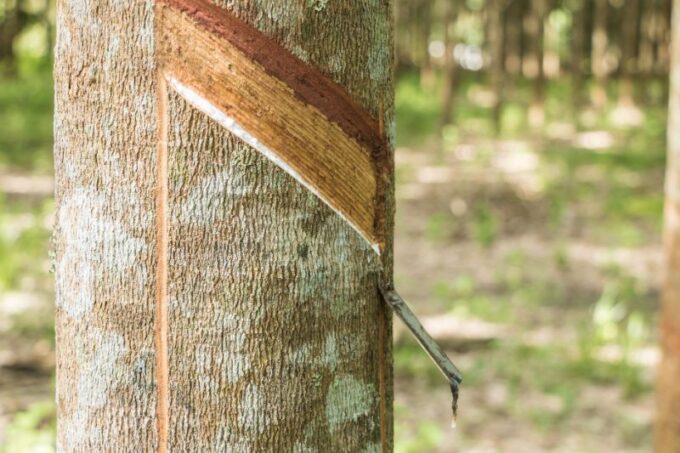
India’s rubber export competitiveness rests on three foundations: a large and skilled manufacturing workforce, improving raw material access (with NR production concentrated in Kerala, Karnataka, and Tamil Nadu), and growing technical capabilities in engineered rubber products for automotive, industrial, and medical applications. Indian rubber goods manufacturers have achieved ISO/TS 16949 automotive quality certifications and are increasingly supplying Tier 1 automotive suppliers in Europe and Japan. Exports span over 1,100 product categories originating from more than 124,000 registered exporters — reflecting a diverse and decentralised manufacturing base. Key export categories include automotive rubber parts, industrial hoses and belts, gaskets, seals, and medical-grade tubing.
What Will TechnoBiz Rubber Week 2026 Focus On?
The 6th TechnoBiz Rubber Week (July 29–31, Bengaluru) will cover compound development, process optimisation, testing standards, supply chain risk management, and sustainability in rubber manufacturing. The event format is hybrid — participants can attend either in person in Bengaluru or online — making it accessible to India’s widely distributed rubber manufacturing community. Key themes include green rubber compounding (reduced use of hazardous chemicals), traceability for deforestation-free natural rubber (driven by the EU Deforestation Regulation), and digitalisation of quality control processes. The Lubrizol-Polyhose Chennai facility will likely be cited as a model case study in medical rubber manufacturing excellence.
Market Reaction and Industry Response
India’s rubber products export order books have strengthened significantly in 2026, with global buyers accelerating supply chain diversification away from single-country dependence. European automotive OEMs and US medical device manufacturers have been particularly active in qualifying Indian suppliers, driven by ESG requirements, supply security concerns, and India’s improving intellectual property and quality regulatory environment. The Automotive Component Manufacturers Association (ACMA) reports that rubber component exports grew 14% in FY26, outpacing overall auto component export growth of 9%.
What Happens Next?
The rubber industry’s next phase of growth in India will be shaped by the EU Deforestation Regulation (EUDR), which requires traceability for natural rubber used in products sold in Europe. Indian exporters who invest in EUDR-compliant supply chains — including GPS-linked plantation mapping and chain-of-custody documentation — will gain a significant competitive advantage. Industry bodies, including the All India Rubber Industries Association (AIRIA), are working with the Rubber Board to develop a national traceability framework ahead of the EUDR implementation deadline. TechnoBiz Rubber Week 2026 will be a key forum for discussing these compliance pathways.
Frequently Asked Questions
How much does India export in rubber products?
India exports approximately USD 4.6 billion in rubber products annually, spanning over 1,100 product categories. Key segments include automotive rubber parts, industrial hoses and conveyor belts, gaskets, seals, and medical tubing. Rubber component exports grew 14% in FY26, driven by global supply chain diversification demand.
What is TechnoBiz Rubber Week 2026?
TechnoBiz Rubber Week 2026 is the 6th edition of a specialised rubber industry conference organised by TechnoBiz Group, scheduled for July 29–31, 2026 at RG Royal Hotel, Bengaluru. The hybrid event covers rubber compounding, process technology, sustainability, medical rubber, and supply chain topics, welcoming both in-person and online participants.
What is the EU Deforestation Regulation and how does it affect India’s rubber exports?
The EU Deforestation Regulation (EUDR) requires that natural rubber and rubber products sold in the EU must come from deforestation-free supply chains, with full traceability back to the plantation of origin. Indian rubber exporters supplying European markets must invest in GPS-linked plantation mapping, chain-of-custody documentation, and third-party audits — an emerging compliance requirement that is reshaping procurement standards in India’s rubber export sector.








Leave a comment