

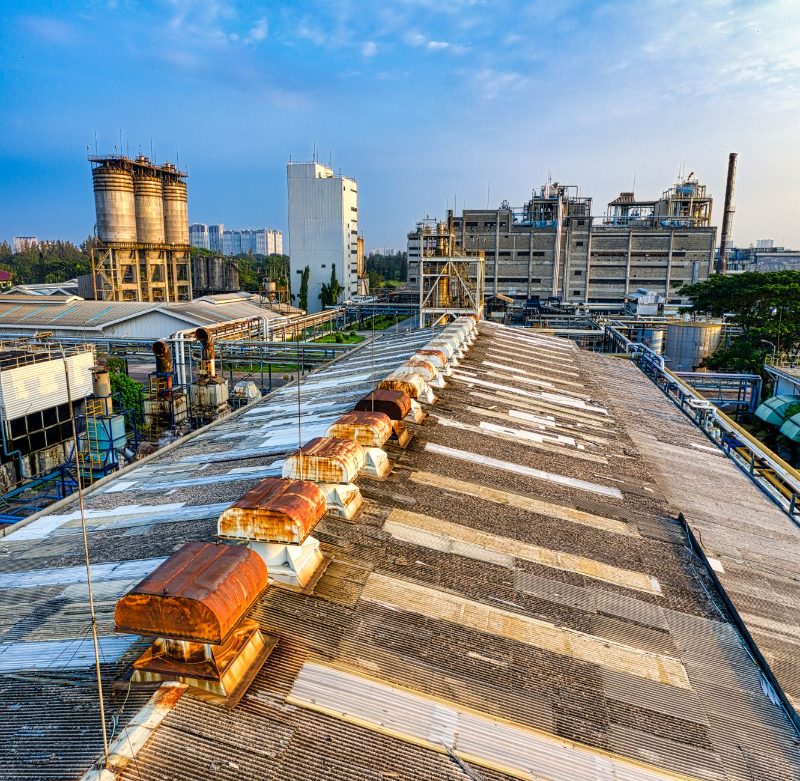
Indian rubber manufacturers are undergoing a fundamental transformation in 2026, rapidly moving up the global value chain from traditional commodity exporters to strategic engineering partners supplying precision rubber components for automotive, aerospace, medical, and defence applications worldwide. This structural shift — driven by rising labour costs in China, nearshoring trends among global OEMs, and India’s maturing manufacturing ecosystem — is reshaping the country’s USD 4.6 billion rubber products export sector.
India’s non-tyre rubber industry, which spans over 124,000 exporters shipping more than 1,100 shipments globally, has historically supplied lower-value items such as moulded goods, seals, gaskets, and hoses on a build-to-print basis. In 2026, leading firms are transitioning to design-and-develop partnerships with global Tier-1 suppliers and OEMs — a shift that commands significantly higher per-unit value and longer-term supply contracts.
What Is Driving India’s Rubber Industry Up the Value Chain?
Three forces are accelerating the transition. First, China+1 procurement strategies among US, European, and Japanese manufacturers — seeking to diversify supply chains away from single-country dependence — have opened India to qualification discussions for technically demanding rubber components. Second, India’s growing capabilities in precision moulding, compound development, and materials testing have allowed domestic manufacturers to credibly engage in engineering conversations rather than simply fulfilling print specifications. Third, the domestic automotive sector — with passenger vehicle production exceeding 4 million units annually — has created a captive demand base that has deepened technical capabilities across sealing systems, vibration damping, and fluid management rubber components.
How Is the Indian Rubber Industry Preparing for Higher-Value Manufacturing?
TechnoBiz is hosting the 6th Edition of TechnoBiz Rubber Week 2026 from July 29–31 at RG Royal Hotel in Bengaluru — India’s most significant annual rubber industry knowledge event. The programme covers compound innovation, process automation, testing and metrology, medical rubber applications, and automotive sealing — reflecting the industry’s expanding technical agenda. The domestic industrial rubber market is projected to grow from 4.93 lakh tonnes to 6.22 lakh tonnes at a CAGR of 4.16% through 2030, with non-commodity segments (technical, medical, aerospace) expected to grow considerably faster than the overall average.
Market Reaction and Industry Response
The Deccan Chronicle recently profiled multiple Indian rubber firms that have successfully transitioned to engineering partner status with global supply chains — citing improved margins, stickier customer relationships, and reduced exposure to commodity price cycles as key benefits. Export data supports the narrative: while India’s total rubber product export volumes have grown modestly, unit realisations per kilogram have risen consistently, reflecting a compositional shift toward higher-value products. AIRIA (All India Rubber Industries Association) is coordinating with the Ministry of Commerce to develop rubber-specific export incentive frameworks to support this transition.
What Happens Next?
Rubber Week 2026 in Bengaluru (July 29–31) will provide a platform for OEM procurement teams and Indian rubber manufacturers to announce new engineering partnerships. The government’s push for domestic defence manufacturing under the Defence Acquisition Procedure (DAP) 2020 is expected to create new demand for high-specification sealing, damping, and insulation rubber components for platforms including fighter aircraft, naval vessels, and armoured vehicles. Industry observers expect announcement of at least three to five significant joint ventures or long-term supply agreements between Indian rubber firms and global Tier-1 suppliers at or around Rubber Week 2026.
Frequently Asked Questions
What is the value of India’s rubber product exports?
India’s rubber product exports are valued at approximately USD 4.6 billion annually, sourced from over 124,000 exporters. Key export categories include automotive rubber components, industrial seals and gaskets, medical tubing, hoses, and conveyor belts. The industry is pivoting toward higher-specification engineering components to improve export unit realisations.
What is TechnoBiz Rubber Week 2026?
TechnoBiz Rubber Week 2026 is the 6th edition of India’s premier rubber industry conference, scheduled from July 29–31, 2026 at RG Royal Hotel, Bengaluru. It brings together rubber compounders, moulders, equipment manufacturers, and global OEM buyers to discuss technical advances, market trends, and sourcing opportunities in the Indian rubber sector.
How large is India’s domestic industrial rubber market?
India’s domestic industrial rubber market (non-tyre) is currently estimated at 4.93 lakh tonnes per annum and is projected to grow to 6.22 lakh tonnes by 2030 at a CAGR of 4.16%. Key demand sectors include automotive, infrastructure, construction, agriculture, healthcare, and defence.











Leave a comment