

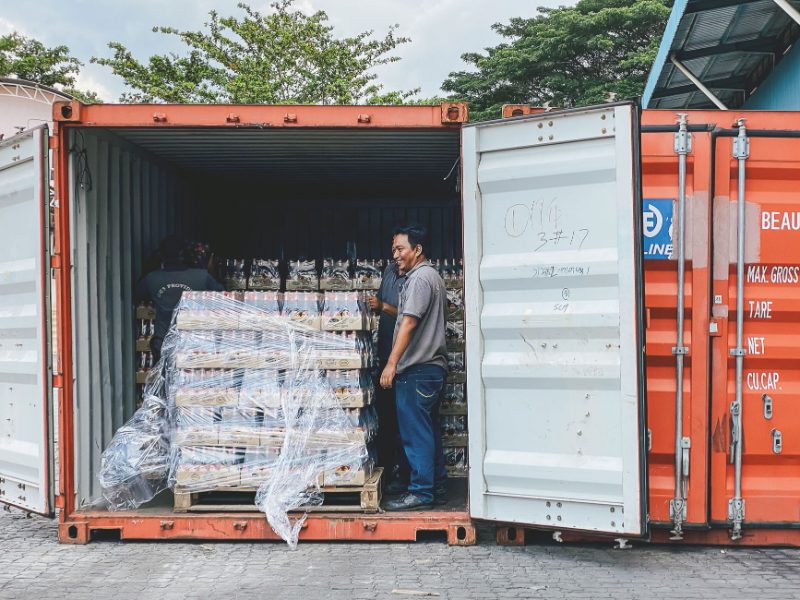
India’s Production Linked Incentive (PLI) scheme for food processing has recorded export sales growth of 7.41% and overall product sales growth of 10.58%, according to the latest MoFPI data released in April 2026, positioning the food processing PLI scheme India 2026 as one of the government’s highest-performing industrial incentive programmes. With ₹2,162.55 crore already disbursed as incentives and 169 applications approved, the scheme has exceeded its original employment target of 2.5 lakh jobs, creating 3.39 lakh direct and indirect jobs across the country.
The scheme, formally known as PLISFPI (Production Linked Incentive Scheme for Food Processing Industry), was launched with a total financial outlay of ₹10,900 crore for the period FY2021-22 to FY2026-27. Participating companies include major processors in Ready-to-Cook/Ready-to-Eat (RTC/RTE) foods, processed fruits and vegetables, marine products, and mozzarella cheese, with a separate component for organic and innovative SME products.
How Has the Food Processing PLI Scheme Performed in India in 2026?
The food processing PLI scheme India 2026 numbers tell a strong story: approved applicants have cumulatively invested ₹9,207 crore against an original investment target of approximately ₹7,000 crore, a 31% overachievement. The scheme has added 35 lakh metric tonnes (MT) of processing capacity, unlocking new supply chains in food corridors in Maharashtra, Andhra Pradesh, Tamil Nadu, and Uttar Pradesh. Processed food product exports supported under PLISFPI have grown at a CAGR of 13.23% between 2019-20 and 2024-25, with the most recent period (April 2026 data) showing 7.41% export growth despite global headwinds including shipping cost pressures and currency volatility.
Which Food Categories Are Driving PLI Export Growth?
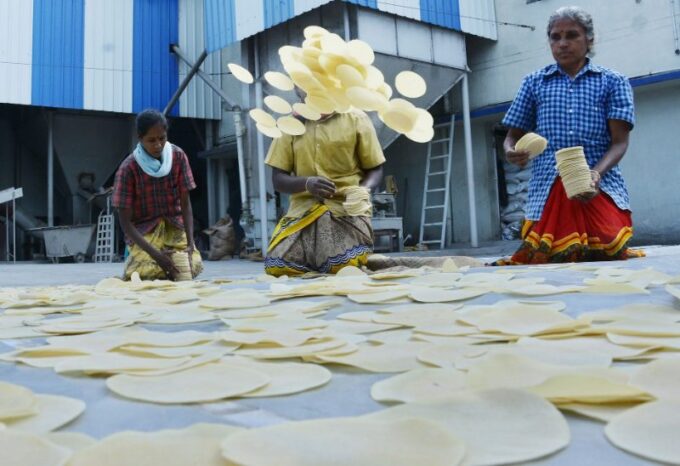
Marine products — including shrimp, fish fillets, and value-added seafood — have been the standout performer under the food processing PLI scheme India 2026, with export volumes increasing over 15% year-on-year as demand from the US, EU, and Middle East markets remains robust. RTC/RTE foods have seen domestic sales surge 18-22% driven by quick commerce channels and modern trade expansion, while processed fruits and vegetables have benefited from improved cold chain connectivity. The mozzarella cheese component, though smaller, has enabled Indian dairy processors including Prabhat Dairy and Parag Milk Foods to supply pizza chains and QSR operators domestically, reducing import dependence.
Market Reaction and Industry Response
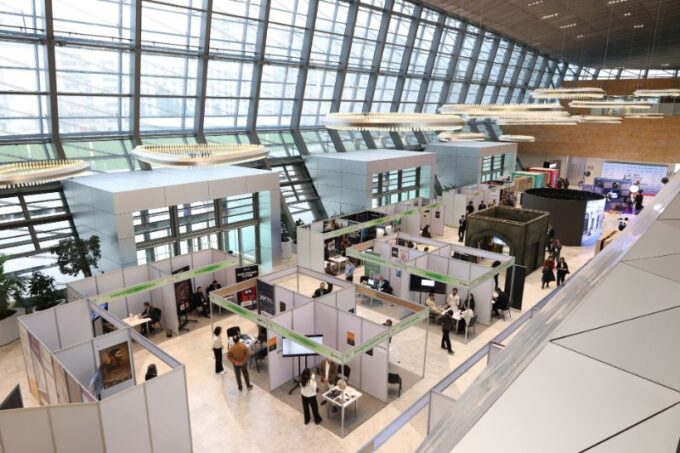
Listed food processing companies have responded positively to the PLI momentum. ITC Ltd’s foods segment reported 14% revenue growth in Q4 FY26, while Britannia’s premium portfolio including NutriChoice and Treat brands saw double-digit volume growth. The Federation of Indian Chambers of Commerce and Industry (FICCI) food processing committee noted that the scheme had created measurable supply chain depth, with 400+ indirect vendors benefiting from capacity additions by primary PLI beneficiaries. The Food & Drink Processing Expo 2026 at Coimbatore in early July showcased RTC/RTE innovations from over 60 PLI-backed companies, reflecting the scheme’s downstream ecosystem effects.
What Happens Next?
With the current PLI scheme ending in FY2026-27, the Ministry of Food Processing Industries is expected to announce a successor programme — likely PLI 2.0 — focusing on organic food, nutraceuticals, functional beverages, and green packaging. The Union Budget 2026-27 has already allocated ₹4,064 crore to MoFPI, and industry bodies expect the government to extend incentives for export-oriented processors through at least FY2030. India’s processed food export target of US$100 billion by 2030 is expected to be the benchmark for the next incentive cycle.
Frequently Asked Questions
What is the PLI scheme for food processing in India?
India’s PLI scheme for food processing (PLISFPI) offers financial incentives to manufacturers of RTC/RTE foods, processed fruits and vegetables, marine products, and mozzarella cheese. Running from FY2021-22 to FY2026-27 with a ₹10,900 crore outlay, it has approved 169 applications, disbursed ₹2,163 crore in incentives, and generated ₹9,207 crore in investment.
By how much have food processing exports grown under India’s PLI scheme?
PLI-supported food processing export sales have risen 7.41% in the most recent reporting period (April 2026 data), while overall product sales grew 10.58%. Since scheme inception, processed food exports under PLISFPI have grown at a CAGR of 13.23% between 2019-20 and 2024-25, with marine products leading the growth.
When does India’s food processing PLI scheme end and what comes next?
The current PLISFPI scheme concludes at the end of FY2026-27. The government is expected to announce a PLI 2.0 programme focusing on organic products, nutraceuticals, and value-added exports. India is targeting US$100 billion in processed food exports by 2030, which will require sustained incentive support beyond the current scheme.








Leave a comment