

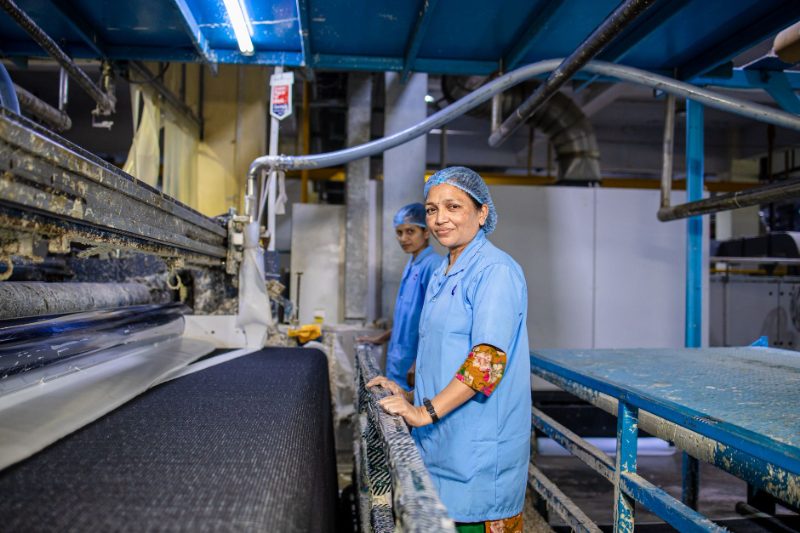
India’s Ministry of Food Processing Industries (MoFPI) has been allocated ₹4,064 crore (approximately US$459 million) in the Union Budget 2026-27, marking the highest-ever budget outlay for the sector as the government accelerates its push to make India a global food processing hub. The India food processing budget 2026 reflects a strategic commitment to expanding processing capacity, boosting exports, and creating employment across the food value chain in a sector that already employs over 2 crore people.
The allocation, announced by Finance Minister Nirmala Sitharaman in February 2026, will be channelled through the Production Linked Incentive (PLI) scheme, Mega Food Parks, Cold Chain Projects, and Primary Processing Centres. The announcement comes as India’s processed food exports have grown at a CAGR of 13.23% between 2019-20 and 2024-25, touching approximately ₹2.8 lakh crore annually.
Why Is India’s Food Processing Budget Rising to ₹4,064 Crore in 2026?
The India food processing budget 2026 increase reflects strong performance under the PLI scheme and the government’s intent to triple the processed food share in total food production from 10% to 30% by 2030. As of January 2026, 169 applications had been approved under PLISFPI, generating ₹9,207 crore in cumulative investment and creating 3.39 lakh direct and indirect jobs, surpassing the scheme’s original target of 2.5 lakh jobs. Union Minister Chirag Paswan has also invited industry stakeholders to regularly contribute suggestions for food processing reforms, signalling a consultative approach to sector policy in FY2026-27.
How Will the ₹4,064 Crore Transform India’s Food Processing Sector?
The budget will fund three key pillars: expansion of Mega Food Parks (targeting 42 operational parks nationwide from the current 24), continuation of the PLISFPI scheme covering Ready-to-Cook/Ready-to-Eat (RTC/RTE) foods, processed fruits and vegetables, marine products, and mozzarella cheese, and cold chain infrastructure upgrades worth ₹1,200 crore. The government is also exploring dedicated food processing corridors in Tamil Nadu and Maharashtra to attract ₹50,000 crore in greenfield investment by 2028. GST reforms have already reduced rates on most food products to 5% or zero, easing compliance for processors across the country.
Market Reaction and Industry Response
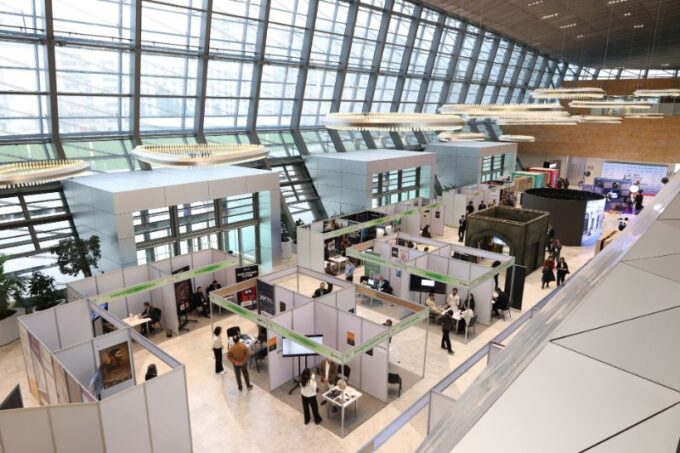
The food processing industry has broadly welcomed the budget allocation. Major listed food processors including Nestle India, Britannia Industries, and ITC Ltd have collectively announced over ₹6,000 crore in capex for FY2026-27, citing government support as a key enabler. The Food & Drink Processing Expo 2026, held July 1-3 at the CODISSIA Trade Fair Complex in Coimbatore, drew 400+ exhibitors showcasing automation, packaging, and cold chain innovations aligned with this government momentum. PLI-supported product sales grew 10.58% and export sales rose 7.41%, per the latest MoFPI data from April 2026.
What Happens Next?
The PLI scheme for food processing concludes in FY2026-27, and industry bodies expect the government to announce a PLI 2.0 with a focus on value-added exports, organic food, and nutraceuticals. Key milestones to watch include disbursement of the remaining PLI incentives (approximately ₹8,737 crore outstanding), the MoFPI’s upcoming consultation paper on food safety standards reform, and potential new Mega Food Park licenses before December 2026. India is targeting processed food exports of US$100 billion by 2030, up from approximately US$34 billion in 2025.
Frequently Asked Questions
How much has India allocated to food processing in Budget 2026-27?
India’s Union Budget 2026-27 allocates ₹4,064 crore (approximately US$459 million) to the Ministry of Food Processing Industries (MoFPI), supporting PLI incentives, Mega Food Parks, cold chain infrastructure, and primary processing centres across the country.
What is India’s PLI scheme for food processing and how has it performed?
The Production Linked Incentive (PLI) Scheme for Food Processing (PLISFPI) provides financial incentives to manufacturers in RTC/RTE, processed fruits and vegetables, marine products, and mozzarella cheese segments. With a total outlay of ₹10,900 crore (2021-2027), it has approved 169 applications, generated ₹9,207 crore in investment, added 35 lakh MT of processing capacity, and created 3.39 lakh jobs — exceeding its original employment target.
Which food products benefit most from India’s food processing PLI scheme?
The PLISFPI primarily targets Ready-to-Cook and Ready-to-Eat (RTC/RTE) foods, processed fruits and vegetables, marine products, and mozzarella cheese. A second component focuses on innovative and organic products from small and medium enterprises (SMEs), enabling smaller processors to access government incentives.









Leave a comment