

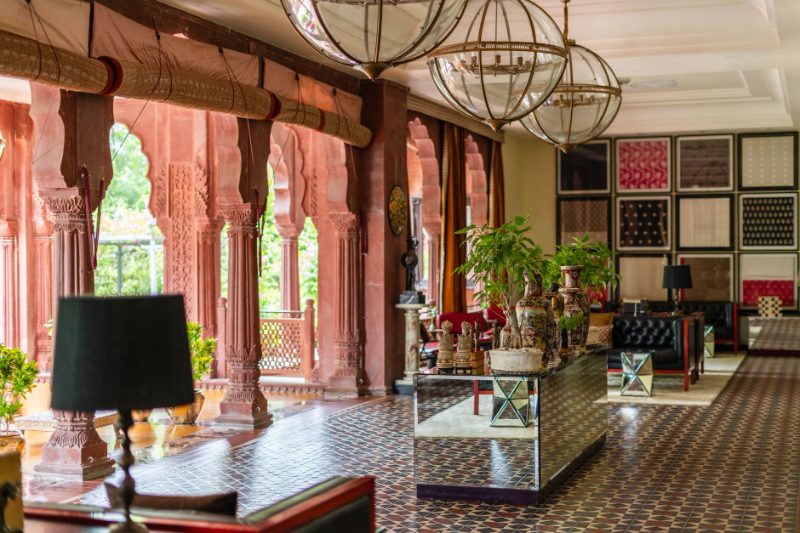
Indian Hotels Company Limited (IHCL), India’s largest hotel chain, signed 20 new hotels and opened 11 properties in the June 2026 quarter, with 17 of those signings and openings under its midscale and upscale brands Gateway, Ginger, and Tree of Life. The signings push IHCL’s total portfolio to 645 hotels, firmly on track for its stated target of 700 hotels by 2030—making it one of the most aggressive hospitality expansion programmes in Asia.
The Q2 2026 activity signals a deliberate strategic pivot by IHCL away from luxury-only growth toward volume-driven midscale expansion that follows India’s domestic travellers into Tier 2 and Tier 3 cities, pilgrimage routes, and leisure destinations previously underserved by branded hotel supply.
Why Is IHCL Expanding Its Midscale Hotel Portfolio Across India’s Tier 2 Cities?
IHCL’s midscale hotel expansion strategy is a direct response to where India’s travel demand is growing fastest. Domestic air passenger traffic crossed 160 million in 2025 and continues to climb, with a growing share travelling to secondary cities now served by new airports under the UDAN scheme. Pilgrimage tourism—to Varanasi, Tirupati, Shirdi, Ayodhya, and the Char Dham circuit—has surged post-COVID and remains undersupplied with branded accommodation. Ginger Hotels, IHCL’s lean-luxe brand, has emerged as the primary growth engine, with a pipeline heavy on highway corridors, airport adjacencies, and religious tourism hubs. Gateway Hotels serves the upper midscale segment for business travellers in emerging commercial centres. Tree of Life caters to boutique leisure. Together, these three brands allow IHCL to participate in travel segments that its flagship Taj brand—priced at ₹15,000–50,000 per night—structurally cannot address.
What Does IHCL’s Expansion Mean for India’s Hospitality Sector?
IHCL’s aggressive signings are accelerating branded hotel penetration in markets that have historically been dominated by unbranded and independent properties. For travellers, this means more consistent quality standards, loyalty programme redemption options, and safe, reliable accommodation in cities like Varanasi, Jodhpur, Coimbatore, and Bhubaneswar. For the real estate and construction ecosystem, each new hotel signing represents ₹50–200 crore in development investment depending on the brand. The hospitality sector is also a significant employment multiplier—a 100-room Ginger hotel creates approximately 80–120 direct jobs and 2–3x that in indirect employment. India’s listed hotel companies are collectively on track to add over 70,000 rooms by 2030, with IHCL accounting for a substantial share of that pipeline.
Industry Reaction and Expert Commentary
Hospitality analysts at Skift and HVS have noted that IHCL’s midscale pivot mirrors strategies deployed successfully by Marriott and IHG in China over the past decade—using economy and midscale brands to build nationwide distribution before demand fully matures. IHCL’s Managing Director and CEO Puneet Chhatwal has consistently articulated the vision of IHCL as India’s hotel company of choice across all segments, not just luxury. Investors have responded positively—IHCL shares have reflected confidence in the multi-brand expansion strategy. Competing chains including Lemon Tree Hotels, Oyo’s Townhouse brand, and international players like Marriott’s Fairfield are all competing for the same midscale pipeline, making asset quality and location differentiation increasingly critical.
What Happens Next?
IHCL is expected to announce additional signings in H2 2026, with focus on the northeast India corridor, the Amrit Bharat station-adjacent hotel programme (a government initiative to develop hotels near upgraded railway stations), and international expansion in the Indian Ocean region. The company’s SeleQtions brand—curated independent hotels—is also growing as a vehicle for conversion deals where independent properties seek IHCL’s distribution and loyalty platform. Watch for IHCL’s Q3 2026 results in October for the next pipeline update and progress toward the 700-hotel milestone.
Frequently Asked Questions
How many hotels does IHCL operate in India?
IHCL’s portfolio stands at 645 hotels as of mid-2026, following 20 signings and 11 openings in Q2 2026. The company is targeting a 700-hotel portfolio by 2030, with growth concentrated in its midscale brands Ginger, Gateway, and Tree of Life across Tier 2 and Tier 3 cities.
What brands does IHCL operate and which are growing fastest?
IHCL operates Taj (luxury), SeleQtions (curated independent), Vivanta (upscale), Gateway (upper midscale), Ginger (lean-luxe midscale), and Tree of Life (boutique leisure). Ginger is currently the fastest-growing brand by new signings, targeting highway corridors, airports, and pilgrimage destinations.
Why is India’s domestic hotel demand growing so rapidly?
India’s domestic hotel demand is driven by rising disposable incomes, expanding aviation connectivity under the UDAN scheme, surging pilgrimage and leisure tourism, and growing corporate travel to Tier 2 commercial centres. Domestic air passengers exceeded 160 million in 2025, with a significant share travelling to cities now gaining branded hotel supply for the first time.










Leave a comment