

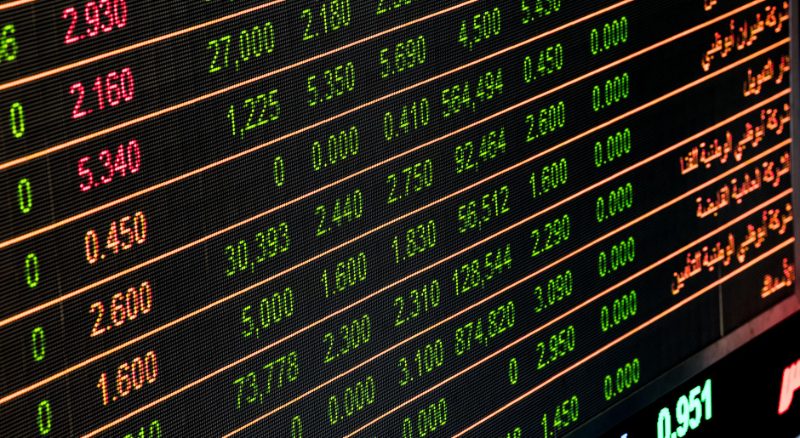
Indian textile stocks have surged more than 30% in 2026, dramatically outperforming the benchmark NSE Nifty 50 Index which fell 8% over the same period, as India’s new trade deals and a more favourable tariff environment with major importing nations supercharged export order books for garment and home textile makers. India textile stocks 2026 have emerged as one of the most compelling sectoral stories on Dalal Street this year, driven by concrete shifts in global sourcing patterns that are funnelling orders away from Bangladesh, Vietnam, and China toward Indian suppliers.
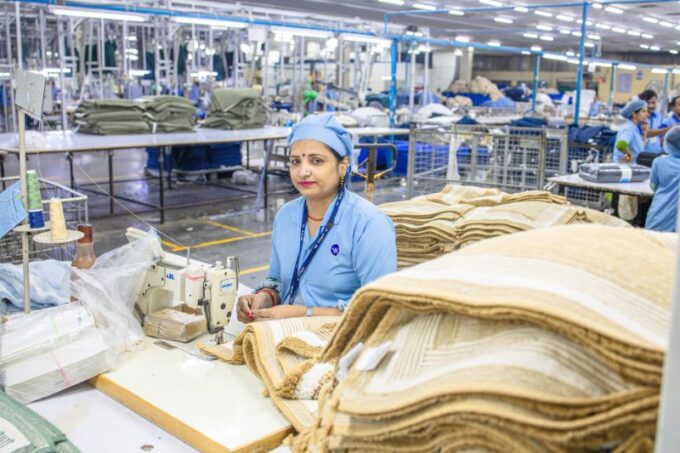
The rally has been broad-based: companies supplying T-shirts, bed linen, towels, and ready-made garments to global retailers including Walmart Inc. are among this year’s biggest stock market winners, per Bloomberg data cited in July 2026. The strong performance comes just days before Bharat Tex 2026 — India’s flagship global textile trade fair — opens on July 14 at Bharat Mandapam, New Delhi, where the industry expects to formalise billions of dollars in sourcing commitments.
Which Trade Deals Are Driving India Textile Stock Gains in 2026?
India’s textile export competitiveness received a structural boost from multiple trade agreements signed or progressed in 2025-26, which reduced or eliminated tariffs in key importing markets. Improved market access in the United Kingdom, the European Union, and select Gulf Cooperation Council (GCC) markets has made Indian textiles more price-competitive versus regional rivals. Bangladesh, which was India’s primary competition in garment exports, faces ongoing political and economic uncertainty that has prompted global retailers to accelerate supply chain diversification. India’s textile and apparel exports stand at approximately $40 billion annually and Commerce Minister Piyush Goyal has set a target of scaling this to a significantly larger number as part of the government’s $1 trillion total export ambition for FY2026-27.
What Sectors Within Textiles Are Outperforming in 2026?
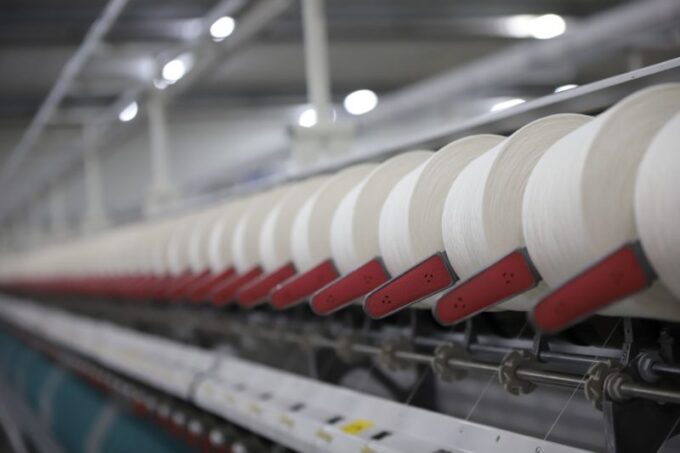
Home textiles — bed linen, towels, terry fabric — have been among the strongest performers within India’s textile export basket, with companies supplying Walmart and other global mass retailers seeing order volumes increase meaningfully. The garment and apparel segment has also benefited from supply chain diversification mandates at major global fashion brands. Technical textiles — used in automotive, medical, and infrastructure applications — represent a smaller but rapidly growing segment, with India’s PM MITRA parks specifically designed to attract investment in high-value technical textile production. Spinning and yarn companies in Gujarat and Maharashtra have benefited from strong downstream demand and a projected cotton crop of over 320 lakh bales for October 2026-September 2027, which could ease input costs further.
Market Reaction and Industry Response
The 30%+ gain in India textile stocks in 2026, against an 8% fall in the Nifty 50, marks the sector’s strongest relative outperformance in several years. Institutional investors — both domestic mutual funds and foreign portfolio investors (FPIs) — have increased allocations to textile names, recognising the structural shift in global sourcing. Fund managers have highlighted that unlike previous textile rallies driven purely by currency depreciation, the 2026 run is backed by genuine order book growth tied to trade deal benefits and supply chain restructuring. The Bharat Tex 2026 trade show opening July 14 is expected to generate further positive news flow as buyer commitments and MoU signings are announced publicly.
What Happens Next?
The sustainability of India textile stocks’ outperformance in 2026 will depend on two key factors: the conversion of trade show interest into confirmed export orders, and the trajectory of cotton prices into the October 2026 crop season. If India’s new cotton crop — projected above 320 lakh bales — arrives as expected and eases yarn costs, margins at spinning mills and garment exporters could expand simultaneously with revenue growth, creating a powerful earnings uplift. Q1 FY27 results (April-June 2026), expected in July-August, will be the first earnings validation of the trade-deal thesis. Analysts will watch for specific volume and revenue growth guidance from leading textile exporters for FY27.
Frequently Asked Questions
Why are India textile stocks outperforming the Nifty 50 in 2026?
India textile stocks have risen over 30% in 2026 versus an 8% Nifty 50 decline because new trade deals have improved tariff access for Indian exporters in key markets like the UK, EU, and GCC. Global retailers are also diversifying sourcing away from Bangladesh and China toward India, driving order book growth for garment and home textile makers.
Which Indian textile companies are benefiting most from the 2026 trade deals?
Companies supplying global retailers like Walmart with T-shirts, bed linen, and towels have been among the biggest beneficiaries. Home textile exporters and garment makers with established relationships with US and European buyers have seen the strongest order growth. PM MITRA park-based manufacturers are also gaining a cost advantage from shared infrastructure.
What is India’s textile export target for 2026-27?
India’s textile and apparel exports are currently approximately $40 billion annually, representing about 10% of the government’s overall export target of $1 trillion for FY2026-27. Commerce Minister Piyush Goyal has pushed for significant expansion in this figure, supported by Bharat Tex 2026 and new free trade agreement access.











Leave a comment