

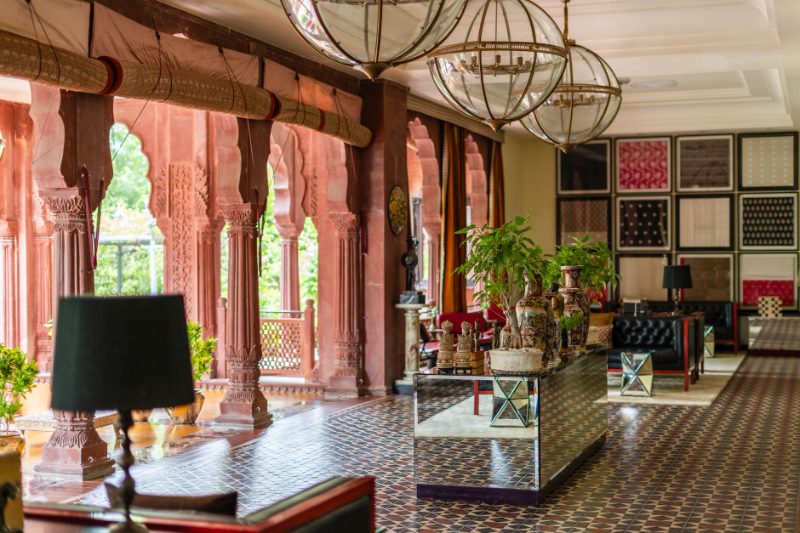
Indian Hotels Company Limited (IHCL), India’s largest hotel company, is increasingly directing investment toward its midscale and upscale brands as surging domestic travel reshapes the country’s hospitality landscape in 2026. The IHCL midscale hotel expansion — anchored by its Ginger brand — reflects a strategic pivot beyond luxury to capture India’s growing middle-class travellers who demand quality accommodation at accessible price points across tier-2 and tier-3 cities.
India’s hospitality market is expected to reach $31 billion by 2029, up from $24.6 billion in 2024, driven primarily by domestic leisure and business travel. Listed hotel operators are planning to add over 70,000 rooms by 2030, with midscale and upscale segments accounting for the majority of new supply. IHCL’s Ginger brand — targeting the ₹3,000–₹7,000 per night segment — is at the forefront of this expansion, opening properties in cities like Varanasi, Coimbatore, Raipur, and Surat.
Why Is IHCL Expanding Midscale Hotels Across India’s Tier-2 Cities?
Domestic hotel demand in India’s tier-2 and tier-3 cities has outpaced metro markets for the second consecutive year in 2026, driven by infrastructure investment, manufacturing expansion, and growing business travel from new industrial corridors. Cities like Pune, Nagpur, Lucknow, Jaipur, and Kochi are seeing double-digit RevPAR (Revenue per Available Room) growth, attracting branded hotel operators that previously focused exclusively on metros. IHCL’s Ginger brand, with over 80 operational properties and a pipeline exceeding 60 more, is positioned as the primary vehicle for this geographic expansion.
What Does India’s Hospitality Expansion Mean for Investors and Travellers?
For investors, IHCL’s pivot to asset-light management contracts for Ginger and its upscale Vivanta brand reduces capital intensity while expanding footprint. For travellers, the expansion means standardised, branded accommodation in cities previously served only by unbranded guesthouses and budget hotels. The EHL noted in its 2026 India report that domestic tourism volumes are no longer concentrated in traditional leisure destinations — pilgrimage circuits, industrial hubs, and coastal tier-2 cities are among the fastest-growing hospitality markets.
Industry Reaction and Expert Commentary
Travel Mole reported that India’s hospitality boom is “expanding well beyond major cities” in 2026. Skift’s analysis projects India will add 70,000 branded hotel rooms by 2030, with IHCL, OYO, Lemon Tree, and Marriott’s Indian portfolio among the key contributors. IHCL Managing Director Puneet Chhatwal has stated publicly that the Ginger brand is IHCL’s “growth engine for the next decade.” Occupancy rates at branded mid-segment hotels in tier-2 cities averaged 72% in Q1 2026, above the national average of 68%.
What Happens Next?
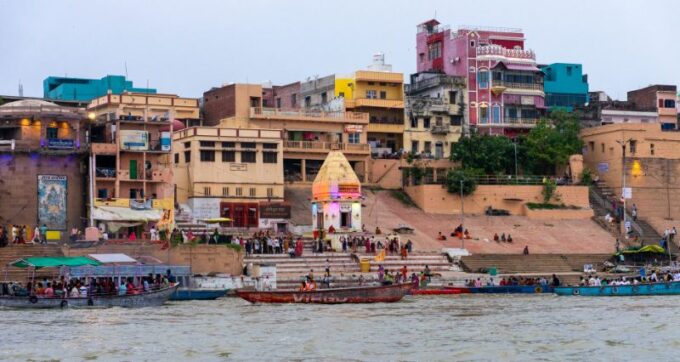
IHCL is expected to announce 25–30 new Ginger signings in H2 2026, with a focus on pilgrimage routes (Varanasi, Tirupati, Shirdi), industrial corridors (Pune-Nashik, Chennai-Bengaluru), and emerging leisure destinations. Watch for IHCL’s Q2 FY27 earnings call in October 2026 for updated pipeline guidance and same-store RevPAR performance across tier-2 markets.
Frequently Asked Questions
What is IHCL’s Ginger brand?
Ginger is IHCL’s midscale hotel brand targeting the ₹3,000–₹7,000 per night segment. With over 80 operational hotels and a pipeline exceeding 60 more, Ginger is IHCL’s fastest-growing brand and its primary vehicle for expansion into India’s tier-2 and tier-3 cities.
How many hotel rooms will India add by 2030?
Listed Indian hotel operators are expected to add over 70,000 branded rooms by 2030, driven by domestic travel growth, infrastructure expansion, and rising middle-class demand for quality accommodation in tier-2 and tier-3 cities.
Why is domestic travel growing so fast in India?
India’s domestic travel boom is driven by a growing middle class with higher disposable incomes, improved road and air connectivity to smaller cities, rising aspirational travel sentiment, and government initiatives promoting domestic tourism under campaigns like Dekho Apna Desh.









Leave a comment