

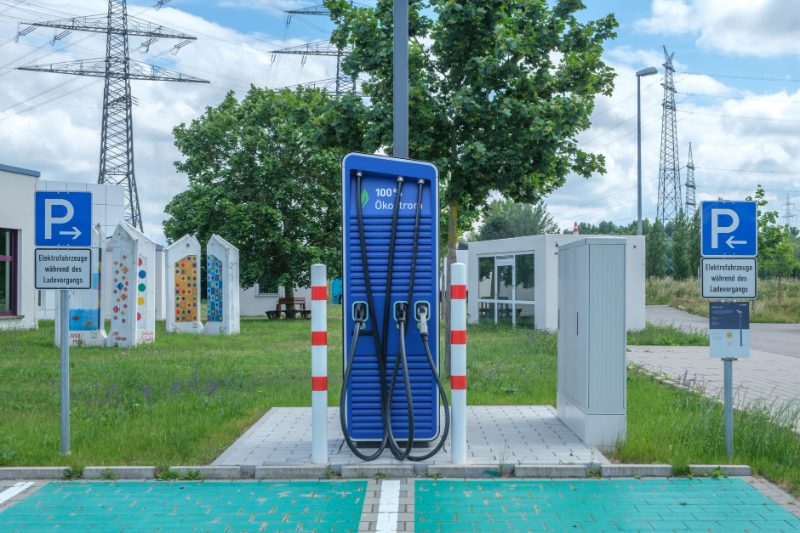
India EV sales hit a record 3,06,220 units in June 2026, with EV market penetration crossing 12% for the first time in the country’s history. The milestone marks a decisive inflection point for India’s electric mobility transition, as petrol’s share of passenger vehicle (PV) retail sales simultaneously dipped below 50% — also a historic first — while electric and CNG vehicles climbed to record market share levels.
The record EV sales data for June 2026 was reported by the Federation of Automobile Dealers Associations (FADA) and corroborated by the Vehicle Registration Authority’s Vahan portal. The numbers reflect strong demand across all vehicle categories, with two-wheelers driving the bulk of volume and passenger EVs hitting new highs in the premium segment.
What Drove India’s Record EV Sales of 3.06 Lakh Units in June 2026?
India EV sales June 2026 were driven by a convergence of factors: falling battery prices, an expanding charging infrastructure network, and attractive financing options from banks and NBFCs. Electric two-wheeler (e-2W) sales led the surge at 1,93,603 units, driven by Ola Electric, TVS Motor, and Bajaj’s Chetak. Electric four-wheelers (e-4W) reached 31,388 units, with Tata Motors’ Nexon EV, Punch EV, and MG Windsor dominating. Electric three-wheelers for passenger transport (e-3W L5) reached 33,677 units. EV penetration in the two-wheeler category rose from 9.3% in May 2026 to 10.6% in June — one of the sharpest single-month jumps recorded.
Why Did Petrol’s Passenger Vehicle Share Fall Below 50% in India?
The decline of petrol’s share below 50% in India’s passenger vehicle retail mix reflects the accelerating shift toward alternative powertrains. Rising fuel prices have increased the total cost of ownership advantage for EVs and CNG vehicles. CNG passenger vehicles — led by Maruti Suzuki and Hyundai — have captured over 20% of PV retail. Electric vehicles account for approximately 8–9% of PV retail in June 2026, with diesel making up much of the remainder. Industry analysts expect petrol’s share to stabilise around 45% in FY2026-27 before declining further as EV and hybrid options expand.
Market Reaction and Industry Response
India’s auto industry welcomed the June 2026 data as confirmation that EV adoption has crossed the critical early-majority threshold. Overall passenger vehicle sales crossed the 4-lakh-unit mark for the fifth consecutive month in June 2026, growing 27% year-on-year — with two-wheelers up 22%, commercial vehicles up 28%, and three-wheelers up 20%. Tata Motors, the largest EV passenger vehicle maker in India, announced a 1.5% price increase effective July 1, 2026, reflecting rising input costs — the first signal that EV pricing power is strengthening as demand outstrips near-term supply.
What Happens Next?
India’s EV penetration is expected to cross 15% across all vehicle categories by December 2026, based on current growth trajectory. The government’s PM E-DRIVE scheme, which provides purchase subsidies for electric two-wheelers and commercial vehicles, is a key demand driver that is expected to be expanded in the FY2026-27 budget cycle. The next major catalyst will be the launch of Maruti Suzuki’s first mass-market electric car — the e-Vitara — which is expected to significantly expand the affordable EV passenger vehicle segment in India in H2 2026.
Frequently Asked Questions
What were India’s EV sales in June 2026?
India’s total EV retail sales reached a record 3,06,220 units in June 2026, with electric two-wheelers accounting for 1,93,603 units, electric passenger vehicles at 31,388 units, and electric three-wheelers at 33,677 units. Overall EV market penetration crossed 12% for the first time, driven by falling battery costs, growing charging infrastructure, and government incentives.
Which EV brands led India’s sales in June 2026?
In electric two-wheelers, Ola Electric, TVS Motor (iQube), and Bajaj Auto (Chetak) led the market. In electric passenger vehicles, Tata Motors dominated with its Nexon EV, Punch EV, and Curvv EV models, followed by MG Motor’s Windsor EV and Hyundai’s Creta Electric. The electric three-wheeler market remained fragmented with multiple regional players.
Why did petrol’s share of India’s passenger vehicle market fall below 50%?
Petrol’s share of India’s passenger vehicle retail fell below 50% for the first time in June 2026 due to the rapid growth of CNG and electric vehicles. Rising petrol prices have increased the cost-of-ownership advantage for alternative powertrains. CNG vehicles now account for over 20% of PV retail, while EVs account for approximately 8–9%, together displacing petrol as the majority fuel choice in India’s passenger vehicle market.











Leave a comment