

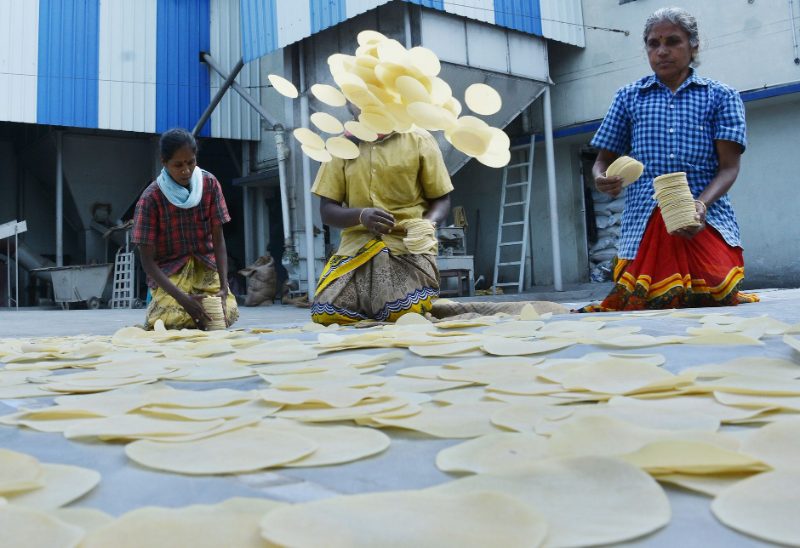
India’s Ministry of Food Processing Industries (MoFPI) has held a high-level stakeholder consultation to design the future roadmap for the Production Linked Incentive Scheme for Food Processing Industries (PLISFPI), as sales of PLI-supported products reached ₹1,08,854 crore in FY 2025-26—a CAGR of 10.82% since FY2020. The MoFPI PLI food processing scheme’s next phase will focus on technology adoption, export growth, and stronger farmer-MSME integration.
The consultation took place at Vigyan Bhawan, New Delhi, bringing together senior Ministry officials, IFCI Limited, Invest India representatives, industry leaders, and sectoral associations to deliberate on the architecture of the next phase of fiscal support. Beneficiary companies under the existing scheme have already reported investments exceeding ₹9,207 crore across 212 manufacturing locations in 22 states, surpassing initial commitments by nearly 19%.
What Is the Next Phase of India’s PLI Food Processing Scheme?
The proposed MoFPI PLI food processing scheme expansion aims to strengthen domestic manufacturing, enhance global competitiveness, promote innovation and technology adoption, and generate greater value for farmers and MSMEs across agri-value chains. The Secretary of MoFPI emphasised the government’s intent to adopt a focused, collaborative approach—including the formation of working groups to address negative public perception of processed foods and to strengthen India’s global food processing footprint.
How Has the Existing PLI Scheme Reshaped India’s Food Processing Sector?
The PLISFPI scheme has delivered measurable results since its inception. Sales of PLI-supported food products grew at a CAGR of 10.82%, rising from ₹58,758 crore in FY 2019-20 to ₹1,08,854 crore in FY 2025-26. Exports under the scheme registered a CAGR of 11.05%, reaching ₹20,840 crore in the same period. The 212 approved beneficiaries span 22 states and have collectively exceeded their committed investment targets by nearly one-fifth.
Market Reaction and Industry Response
Industry associations and MSME representatives attending the Vigyan Bhawan consultation broadly welcomed the participatory design approach. Stakeholders flagged the need for faster claim disbursals, simplified compliance documentation, and broader eligibility for mid-sized processors. The proposal to counter negative perceptions around processed food—particularly among urban health-conscious consumers—was seen as critical for sustaining domestic demand alongside exports.
What Happens Next?
Based on feedback gathered at the consultation, MoFPI will finalize the incentive structure and target sub-sectors for the next PLI cycle. Companies in value-added processing, cold chain infrastructure, and export-oriented manufacturing are expected to be priority beneficiaries. An official announcement of the expanded scheme is anticipated later in FY2026-27, aligned with the government’s broader goal of tripling food processing sector capacity by 2030.
Frequently Asked Questions
What is the PLISFPI scheme?
PLISFPI is the Production Linked Incentive Scheme for Food Processing Industries launched by India’s Ministry of Food Processing Industries to incentivise large-scale food manufacturing and boost exports. Beneficiary companies have collectively invested over ₹9,207 crore across 212 locations in 22 states as of FY26.
How much have PLI-supported food product sales grown?
Sales of PLI-supported food products have grown at a CAGR of 10.82%, from ₹58,758 crore in FY 2019-20 to ₹1,08,854 crore in FY 2025-26. Exports under the scheme reached ₹20,840 crore, also growing at over 11% CAGR during the same period.
What is MoFPI planning for the next PLI phase for food processing?
MoFPI is gathering structured industry feedback on incentive architecture, scope, and implementation for the next PLI phase. Priority areas include technology adoption, farmer and MSME value chains, export promotion, and countering misinformation around processed food products.










Leave a comment