

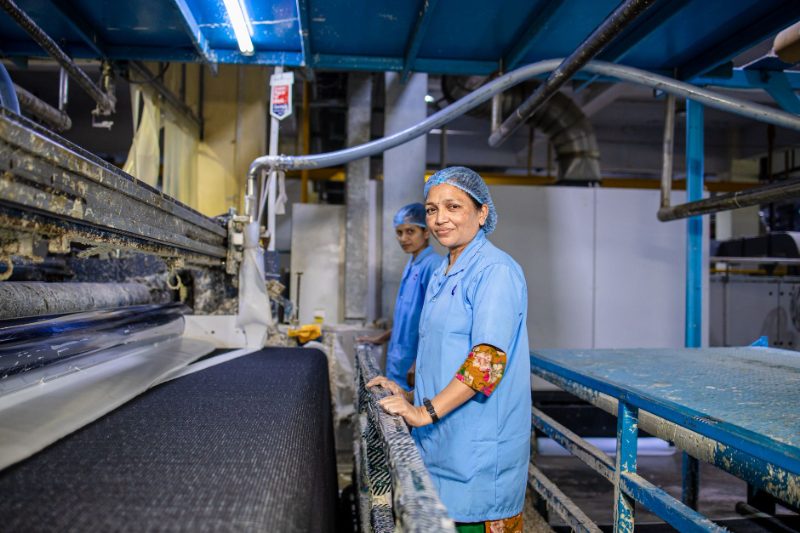
India’s food processing PLI scheme has surpassed its employment target by 35%, creating 3.39 lakh direct and indirect jobs against a target of 2.5 lakh by February 2026. The Production-Linked Incentive Scheme for Food Processing Industries (PLISFPI) has driven cumulative export sales of ₹89,053 crore among beneficiaries since FY2021.
The ₹10,900 crore PLISFPI, running from 2021-22 to 2026-27, was designed to incentivise domestic food processing companies to scale incremental sales and exports. As of February 2026, the scheme has created 34 lakh MT per annum of new processing and preservation capacity, disbursed ₹2,162.55 crore in incentives, and attracted ₹9,207 crore in reported investments from beneficiaries.
Why Has the India Food Processing PLI Scheme Exceeded Its Targets in 2026?
The PLI scheme’s success is rooted in strong private sector participation and a surge in global demand for Indian packaged and processed foods. Export CAGR reached 13.23% from 2019-20 to 2024-25, significantly outpacing historical sector growth. India’s processed food exports hit US$7,886.62 million in FY2024-25, with the sector’s share of total agricultural exports rising from 13.7% in 2014-15 to 20.4% in 2024-25 — a near-doubling of its contribution in a decade.
How Is the PLI Scheme Reshaping India’s Food Export Basket?
The scheme has shifted focus toward value-added products including millet-based ready-to-eat foods, marine products, organic produce, and fruit processing. Companies in Andhra Pradesh, Maharashtra, and Punjab are among the top beneficiaries. The Food Processing Ministry confirmed that investments under the scheme totalled ₹9,207 crore by early 2026, generating supply chain effects across cold chain logistics, packaging, and contract manufacturing sectors.
Market Reaction and Industry Response
Industry bodies including ASSOCHAM and the All India Food Processors’ Association (AIFPA) have called for a PLI 2.0 to sustain momentum beyond FY2027. The government has allocated ₹4,064 crore (US$459.86 million) to the Ministry of Food Processing Industries in the Union Budget 2026-27, signalling continued support. Union Minister Chirag Paswan has also announced a committee to counter misinformation about processed foods and provide consumers with accurate nutritional data.
What Happens Next?
The final disbursement round under PLISFPI is expected in FY2026-27, when incentives will be calculated based on incremental sales vs the base year. The government is simultaneously evaluating a successor scheme focused on nutraceuticals, ultra-processed food reduction, and cold chain infrastructure. India’s food processing sector is projected to reach US$535 billion by 2025-26, making this one of the fastest-growing food economies globally.
Frequently Asked Questions
What is the India food processing PLI scheme?
The Production-Linked Incentive Scheme for Food Processing Industries (PLISFPI) is a ₹10,900 crore government programme running from 2021-22 to 2026-27. It offers cash incentives to food companies based on incremental sales over a base year, encouraging investment in processing capacity, job creation, and export growth.
How many jobs has the food processing PLI scheme created?
As of February 2026, the scheme has created approximately 3.39 lakh direct and indirect jobs, exceeding its original target of 2.5 lakh jobs by FY2026-27 by a margin of 35%. This makes it one of the PLI schemes with the highest job creation efficiency in India.
What is India’s processed food export growth under the PLI scheme?
PLI beneficiaries’ exports have grown at a CAGR of 13.23% from 2019-20 to 2024-25, with cumulative export sales reaching ₹89,053.44 crore. The processed food share of India’s total agricultural exports rose from 13.7% to 20.4% over the same period, reflecting a structural shift in the export basket.










Leave a comment