

India’s EV policy 2026 commits more than ₹7,000 crore over the next four years to accelerate electric vehicle adoption, offering buyers direct incentives, subsidies, and purchase benefits across two-wheelers, three-wheelers, four-wheelers, and commercial vehicles. The policy, which came into effect in July 2026, positions India on track to reach its target of 30% EV penetration by 2030.
The Union Budget 2026-27 and subsequent Ministry of Heavy Industries notifications formally outlined the new framework, building on the earlier FAME (Faster Adoption and Manufacturing of Electric Vehicles) scheme. The policy targets an estimated 10 million EV units per year by FY28, supported by a ₹7,000 crore allocation over FY27–FY30 managed by the Ministry of Heavy Industries.
What Are the Key Incentives Under India’s EV Policy 2026?
Under India’s EV policy 2026, buyers of electric two-wheelers receive subsidies of up to ₹10,000 per vehicle under the PM E-Drive scheme, while electric three-wheelers for commercial use get up to ₹25,000. Electric buses for state transport undertakings are eligible for subsidies covering up to 40% of vehicle cost. Four-wheeler EV buyers benefit from concessional GST of 5% compared to 28% on conventional vehicles, alongside income tax deductions of up to ₹1.5 lakh on loan interest under Section 80EEB. The policy also offers an accelerated depreciation benefit of 40% for commercial EV fleets in their first year.
How Does India’s ₹7,000 Crore EV Investment Compare Globally?
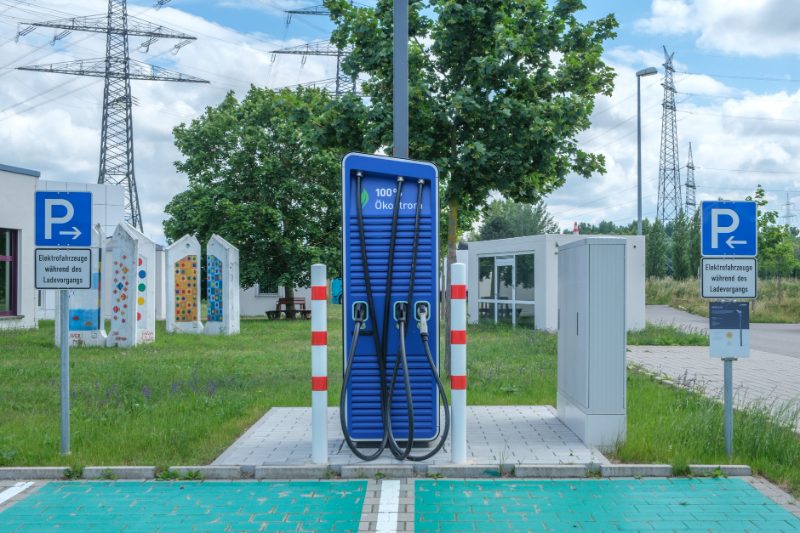
India’s ₹7,000 crore EV budget (approximately $840 million over four years) represents a 250% increase over the FAME II scheme’s ₹10,000 crore over five years. The International Energy Agency (IEA) projects India could become the world’s third-largest EV market by 2030 if current policy momentum continues. Industry bodies such as SIAM and CII have welcomed the policy but called for faster expansion of public charging infrastructure, which currently stands at approximately 25,000 stations nationwide against a target of 100,000 by FY27. Total EV sales in India reached 2.4 million units in FY26, a 47% jump year-on-year, with two-wheelers accounting for 62% of all units sold.
Market and Trade Reaction
India’s EV market responded positively to the policy announcement, with shares of Tata Motors, Mahindra Electric, and OLA Electric rising 3–7% in July. Foreign EV makers including BYD and Tesla, which entered India in late 2025, are expected to intensify competition. The Nifty Auto index gained 1.8% in the week following the detailed policy notification. India’s EV component import bill rose 38% to $3.1 billion in FY26, prompting the government to set local value addition (LVA) targets of 50% by FY29. PLI (Production Linked Incentive) incentives for battery cell manufacturing are expected to attract over ₹30,000 crore in private investment over five years.
What Happens Next?
The Ministry of Heavy Industries will release detailed operational guidelines for the PM E-Drive 2.0 scheme by September 2026, including state-wise allocation of charging infrastructure grants. The National EV Mission will hold a stakeholder consultation in August. The government plans to phase out subsidies on vehicles priced above ₹25 lakh from FY28 onwards as market maturity improves. Investors and industry players should watch for upcoming PLI norms for battery cell manufacturing, expected to be notified by December 2026.
Frequently Asked Questions
What is India’s EV subsidy amount in 2026?
Under India’s EV policy 2026, electric two-wheeler buyers receive up to ₹10,000 in direct subsidies, electric three-wheelers up to ₹25,000, and electric buses up to 40% cost coverage. Four-wheeler buyers benefit from concessional 5% GST and up to ₹1.5 lakh in income tax deductions on EV loan interest under Section 80EEB.
How much has India budgeted for EVs in 2026?
India has allocated more than ₹7,000 crore over four years (FY27–FY30) for electric vehicle subsidies, infrastructure, and incentives under the India EV policy 2026. This represents a 250% increase over the previous FAME II scheme’s total outlay, signalling a significant scale-up in EV policy commitment.
Which EV sectors benefit most from India’s 2026 policy?
Electric two-wheelers and commercial three-wheelers benefit most in per-unit subsidies. Electric bus fleet operators and state transport undertakings receive the largest absolute subsidies. Battery cell manufacturers also benefit from PLI incentives tied to the broader EV policy framework, with the government targeting local value addition of 50% by FY29.









Leave a comment