


The EU-US trade deal came into force on July 1, 2026, marking a significant shift in transatlantic trade relations after months of tense negotiations. Under the agreement, the European Union has removed duties on imports of US industrial goods and introduced preferential access for US seafood and selected farm products, while most EU exports to the US face a 15% tariff — down from the higher reciprocal tariff rates threatened earlier in 2026. The EU-US trade deal July 2026 is the first major bilateral trade framework between the two blocs in more than a decade.
The Council of the EU formally adopted implementing regulations on June 25, 2026, enabling the deal to take effect on July 1. The agreement was finalised after the Trump administration threatened further tariff escalation on EU exports, which had reached as high as 25% on certain categories. For India and other global trading partners, the deal’s structure sets a template that US negotiators may seek to replicate in other bilateral contexts.
What Are the Key Terms of the EU-US Trade Deal July 2026?
Under the EU-US trade deal effective July 2026, the EU has agreed to zero tariffs on US industrial goods imports and preferential market access for US seafood and selected agricultural products. In return, most EU goods face a 15% tariff to the US — negotiated down from an earlier threatened 20–25%. EU automobile exports, previously subject to 25% tariffs under Section 232, now face the reduced 15% rate. EU pharmaceutical exports face a separate regime: a 100% tariff applies to large pharma companies from July 2026, extending to all companies by September 2026. The deal is structured as a tariff-reduction framework with a 12-month review mechanism rather than a comprehensive FTA covering services or investment.
How Are European and US Businesses Responding?
European business groups including BusinessEurope and Germany’s Federation of Industries (BDI) have given the deal a cautious welcome. The US Chamber of Commerce estimates the deal could generate $45 billion in additional US exports to the EU annually. European car manufacturers including Volkswagen, BMW, and Stellantis note that the 15% automobile tariff, while lower than feared, will still impact US-bound export margins by an estimated €800 per vehicle on average. EU pharmaceutical associations have expressed alarm at the 100% pharmaceutical tariff, warning of global drug supply chain disruptions. For India, the deal’s implementation is being closely watched as a precedent: if the US accepts 15% as the tariff floor for EU goods — a trading partner with a $960 billion annual bilateral trade relationship — Indian negotiators will use this benchmark in ongoing India-US interim trade arrangement talks.
Market and Trade Reaction
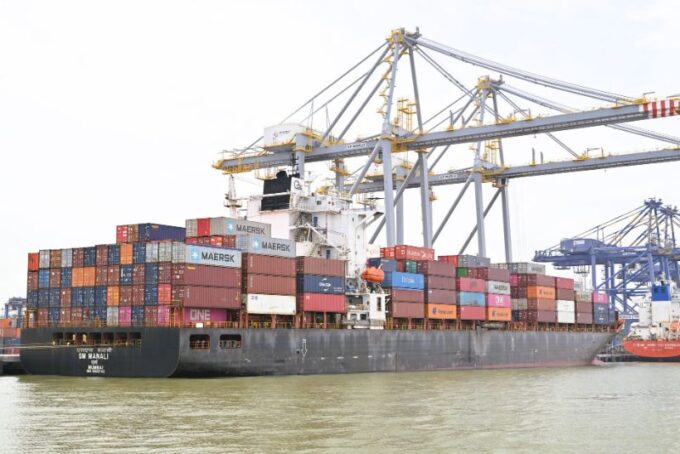
European stock markets reacted positively on July 1, with the DAX rising 1.4% and the EURO STOXX 50 gaining 1.1%. The euro strengthened 0.6% against the dollar on implementation day. EU-US bilateral trade volumes stood at $960 billion in 2025 — the world’s largest bilateral trade relationship — and Goldman Sachs projects the deal could lift this by 5–8% in the first year. The Baltic Dry Index saw a 3% uptick in early July as higher transatlantic cargo volume expectations improved freight demand. US agricultural commodity prices for soybean, corn, and wheat strengthened modestly following confirmation of EU market access improvements, with implications for India’s agricultural export competitiveness in third markets.
What Happens Next?
The EU-US trade deal will undergo its first formal review in July 2027. The 100% pharmaceutical tariff on all companies takes effect in September 2026 — the next major flashpoint for pharma-heavy European economies such as Ireland, Belgium, and Switzerland. The Article 122 global additional tariffs — the 10–15% US import tariff on all countries — expire on July 24, 2026, which will further reshape the global tariff landscape. US Section 301 investigations may impose additional 10–12.5% tariffs on 60 other economies by August–September 2026, including potentially India. Trade observers will closely watch whether the EU-US deal becomes a template for US negotiations with Japan, South Korea, and India.
Frequently Asked Questions
What tariff does the EU face on exports to the US under the July 2026 deal?
Most EU exports to the US face a 15% tariff under the EU-US trade deal effective July 1, 2026. This is reduced from the 20–25% rates threatened earlier in 2026. EU pharmaceutical exports face a separate 100% tariff regime taking effect from July 2026 for large pharma firms and September 2026 for all companies, which is not covered by the bilateral deal framework.
Does the EU-US trade deal eliminate all tariffs between the two blocs?
No. The EU-US trade deal July 2026 is not a traditional free trade agreement. The EU has removed duties on US industrial goods, but the US has only reduced tariffs on EU imports to 15% — not eliminated them. The deal does not cover services, investment, or regulatory harmonisation, and includes a 12-month review mechanism that allows either side to revisit terms.
How does the EU-US trade deal affect India?
The EU-US trade deal July 2026 affects India indirectly by setting a 15% tariff benchmark that Indian negotiators are using as a reference in India-US interim trade arrangement talks. Additionally, the deal’s structure — and the upcoming expiry of Article 122 global tariffs on July 24 — reshapes competitive dynamics for Indian exporters in sectors such as textiles, chemicals, and auto components that compete with EU suppliers in the US market.










Leave a comment