

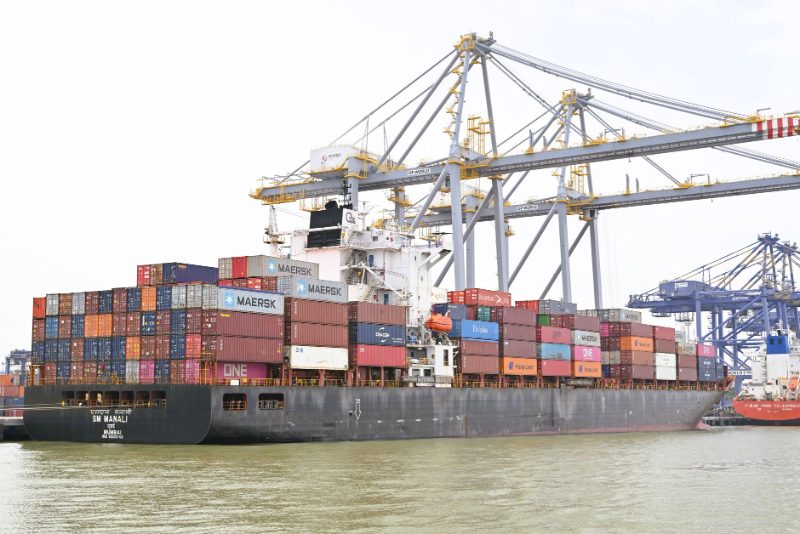
India’s July 14 Foreign Trade Policy amendment on forced labour goods unlocks preferential US tariff treatment.
India’s trade negotiators secured a significant diplomatic outcome in July 2026 when the United States Trade Representative applied a lower-tier 10% tariff on Indian goods — versus higher rates imposed on many other Asian competitors — following India’s amendment of its Foreign Trade Policy to explicitly prohibit goods produced with forced labour. The US decision validated India’s policy move as meeting a critical condition under Section 301 of the Trade Act, which had targeted 17 economies for tariff action.
The 10% tariff is materially below the 25–40% rates applied to Chinese goods and the 15–25% rates imposed on several Southeast Asian competitors. This differential creates a structural competitiveness advantage for Indian exporters in US-bound supply chains. For India’s export-oriented pharmaceutical, engineering goods, textile, and specialty chemical industries, the effective tariff differential versus Chinese competitors is now 15–30 percentage points.
The Foreign Trade Policy amendment also sends a strategic signal to European markets where similar supply chain due diligence legislation is now in force under the EU Corporate Sustainability Due Diligence Directive. India is positioning its manufacturing sector as a compliant, auditable alternative supply source for Western markets increasingly scrutinising human rights conditions in Asian supply chains.
What Does India’s 10% US Tariff Rate Mean for Industry?
Indian manufacturers now have a 15–30 percentage point cost advantage over Chinese competitors in US-bound supply chains. This is already driving supply chain reconfiguration toward India as an alternative manufacturing base, particularly in specialty chemicals, pharmaceuticals, engineering goods, and textiles.
Frequently Asked Questions
What tariff rate did India secure from the US in 2026?
India secured a 10% tariff rate from the US following its July 2026 Foreign Trade Policy amendment prohibiting goods produced with forced labour. This is significantly lower than the 25–40% rates applied to Chinese goods, giving Indian exporters a major competitive advantage in the US market.
How does India’s lower US tariff affect Indian manufacturers?
Indian manufacturers in pharmaceuticals, specialty chemicals, engineering goods, and textiles now enjoy a 15–30 percentage point cost advantage over Chinese rivals in US-bound supply chains. This is accelerating global supply chain diversification toward India-based manufacturing.









Leave a comment