

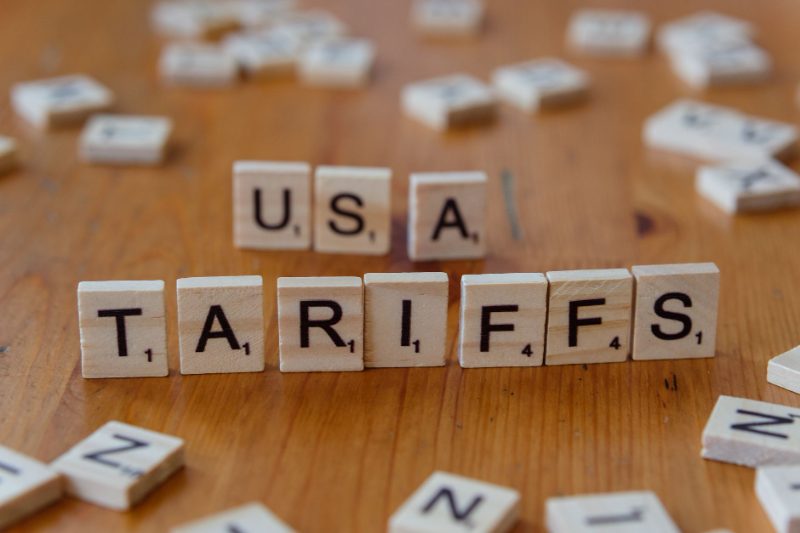
The US Article 122 global additional tariffs — a 10–15% blanket import tariff on virtually all categories of goods from all countries — will expire on July 24, 2026, and will not be extended. The US Article 122 tariffs expiry represents one of the most significant shifts in the US tariff environment since the duties were first imposed in February 2026 under Article 122 of the Trade Act of 1974. The expiry is automatic, with the US Trade Representative (USTR) confirming no plans for renewal.
The Article 122 tariffs were introduced as part of the Trump administration’s broader strategy to reduce the US trade deficit and bring trading partners to the negotiating table. While specific country-level tariffs under Section 301 and Section 232 remain in force, the expiry of Article 122 measures will reduce the tariff burden on a wide range of imports — particularly from countries that did not conclude bilateral deals with the US before the July 24 deadline. India, ASEAN nations, and Latin American exporters stand to benefit most.
Which Countries and Sectors Benefit Most From the Article 122 Expiry?
Countries without bilateral US tariff deals — including India, Vietnam, Thailand, Malaysia, Indonesia, Brazil, Argentina, South Africa, and Turkey — see the most direct relief from the US Article 122 tariffs expiry. India faced a combined US tariff burden of approximately 26–28% on selected goods categories under Article 122 plus pre-existing duties. Upon the expiry, tariffs revert to standard Most Favoured Nation (MFN) rates in these categories. Key sectors benefiting include textiles and apparel (effective tariff reduction of up to 22.5%), auto components (8–12% reduction), chemicals (10–15% reduction), and electronic components. The USTR has separately signalled plans to impose 10–12.5% Section 301 tariffs on 60 economies based on a July 7 public hearing, which may partially offset Article 122 relief for some nations.
How Is India Responding to the US Article 122 Tariffs Expiry?
The Indian government and export promotion councils have welcomed the Article 122 tariffs expiry, estimating potential annual export gains of $4–6 billion in affected categories. FIEO (Federation of Indian Export Organisations) has urged exporters in textiles, gems, jewellery, and engineering goods to renegotiate US buyer contracts to reflect the lower tariff environment effective July 24. The Ministry of Commerce is simultaneously fast-tracking an India-US interim trade arrangement, with Commerce Minister Piyush Goyal indicating a framework agreement could be reached by end-2026. The UK-India FTA, which entered force on July 15, 2026, demonstrates India’s FTA momentum and gives Indian negotiators additional leverage in US talks.
Market and Trade Reaction
Anticipation of the US Article 122 tariffs expiry has already lifted sentiment in Indian export-linked equities. The Nifty Exports Index gained 2.3% in the first two weeks of July. Vietnam’s VN-Index rallied 3.1% as Vietnamese manufacturers — major beneficiaries of US-China trade diversion since 2019 — stand to see textiles and footwear tariffs fall substantially. US importers of consumer goods including apparel, furniture, and electronics had factored Article 122 costs into their inventory orders; the expiry should translate into modest retail price reductions in the US by Q4 2026. The US National Retail Federation estimated that Article 122 tariffs cost American consumers $75 billion annually in higher prices — savings that will now flow back through the supply chain.
What Happens Next After the Article 122 Expiry?
After the US Article 122 tariffs expire on July 24, 2026, the next major US tariff development is the USTR’s Section 301 investigation outcome expected in August–September 2026, which could impose 10–12.5% tariffs on 60 economies. Brazil also faces a separately announced 25% US tariff. Pharmaceutical tariffs of 100% extend to all companies in September 2026. India and the US will continue interim trade arrangement negotiations through Q3 2026, with a formal announcement possible at the US-India bilateral summit expected in October. The expiry of Article 122 tariffs creates a more nuanced but still complex tariff landscape for global exporters to navigate in H2 2026.
Frequently Asked Questions
When do US Article 122 tariffs expire?
The US Article 122 global additional tariffs expire on July 24, 2026. The expiry is automatic under the terms of the February 2026 proclamation, and the USTR has confirmed the tariffs will not be extended. Imports arriving after July 24 will no longer be subject to the 10–15% Article 122 additional duty.
What US tariffs remain after the Article 122 expiry on July 24, 2026?
After the US Article 122 tariffs expiry, standard MFN rates continue to apply to all imports. Additionally, Section 301 tariffs on China (25–145%), Section 232 tariffs on steel (25%) and aluminium, the EU-US bilateral deal rate (15% for EU goods), and pending Section 301 tariffs on 60 economies remain in force or are being implemented.
Will India benefit from the US Article 122 tariff expiry?
Yes. India is among the major beneficiaries of the US Article 122 tariffs expiry. Indian exports in textiles, apparel, auto components, chemicals, and gems and jewellery will see effective US tariff reductions of 10–15 percentage points from July 24, 2026. Export promotion councils estimate potential annual gains of $4–6 billion in affected categories, though new Section 301 tariff investigations may partially offset this benefit.








Leave a comment