

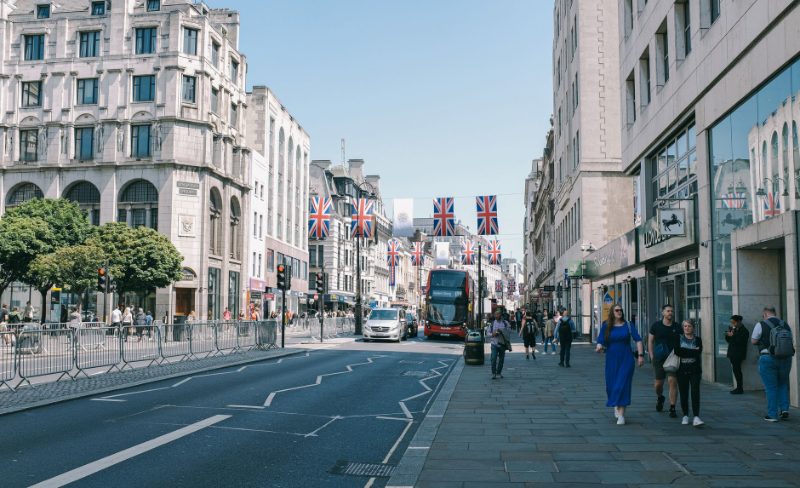
The India-UK Comprehensive Economic and Trade Agreement officially entered into force on July 15, 2026, enabling exporters on both sides to immediately claim preferential tariff concessions. The India UK FTA July 2026 — signed on July 24, 2025 — liberalises 99% of UK tariff lines and 90% of Indian tariff lines, making it one of the most comprehensive bilateral trade agreements either country has concluded in recent decades. Indian textile and food exporters and UK Scotch whisky producers are among the immediate winners.
The UK Government estimates that the India-UK FTA will reduce tariffs on UK exports to India by up to £400 million annually from the effective date, rising to £900 million after 10 years as phase-in schedules complete. On the Indian side, zero-duty access is granted for nearly all Indian exports to the UK, including labour-intensive sectors such as garments, textiles, footwear, carpets, processed food, cereals, spices, fish, and meat products.
What Does the India UK FTA July 2026 Mean for Indian Exporters?
Indian exporters across labour-intensive sectors gain the most immediate benefit from the India UK FTA July 2026. Textile and apparel manufacturers, which previously faced UK import duties of 9–12%, now have zero-duty access. The garment and textile sector, which exported $1.5 billion to the UK in FY26, is projected to grow 25–30% annually over the next three years as price competitiveness improves. Processed food, spices, and agricultural products — including basmati rice, mango pulp, and masalas — gain zero-duty access. Engineering goods exporters, which shipped $890 million to the UK in FY26, benefit from elimination of 3–8% UK duties on machinery, auto components, and precision instruments. The agreement’s professional services chapter enables easier movement of Indian IT and legal professionals to the UK on intra-company transfers, and includes a social security exemption for Indian IT workers on temporary UK assignments — reducing double contribution costs by an estimated £8,000–12,000 per worker per year.
What Do UK Exporters Gain From the India UK FTA?
UK exporters gain substantially reduced duties on industrial goods, automotive parts, cosmetics, medical devices, and Scotch whisky. Scotch whisky, previously subject to a 150% Indian import duty, sees tariffs fall to 75% immediately and phase down to zero over 10 years — one of the most-publicised provisions of the deal. The Scotch Whisky Association projects this could generate £1 billion in annual UK exports to India within five years. UK luxury goods and consumer products, including cosmetics, fashion, and food, gain improved Indian market access. UK financial services firms gain enhanced regulatory predictability and improved access to Indian institutional investment opportunities. The agreement includes a technology chapter covering AI, data, and digital trade — a first for any India FTA.
Market and Trade Reaction
India-UK bilateral trade stood at £42 billion in 2025 and is forecast to reach £67 billion by 2030 under the FTA framework. The UK Department for Business and Trade has set an even more ambitious target of £100 billion by 2030. Shares of Indian textile companies — including Page Industries, Arvind Ltd, and Welspun India — rallied 4–6% in early trading on July 15 as investors priced in zero-duty UK market access. Bharat Tex 2026, India’s flagship textile trade show running July 14–17 in New Delhi, provided the perfect backdrop for FTA implementation, with UK buyers and Indian manufacturers signing initial preferential-rate supply contracts on July 15 itself. The UK’s FTSE 100 consumer goods sub-index gained 0.9% on the FTA implementation day.
What Happens Next for India UK Trade?
Exporters on both sides must now obtain valid Certificates of Origin (CoO) from authorised agencies to claim FTA preferential rates. In India, Export Promotion Councils and the Export Inspection Council (EIC) are issuing CoOs under the India-UK FTA rules of origin framework from July 15, 2026. The FTA includes a review clause scheduled for five years after implementation (July 2031). The professional services and digital trade chapters will generate detailed implementing guidelines by December 2026. Importers and exporters should note that Rules of Origin requirements — particularly local value addition (LVA) thresholds — must be met to qualify for preferential tariff rates. A Joint Committee will be established by both governments to oversee implementation and manage disputes.
Frequently Asked Questions
When does the India-UK Free Trade Agreement come into force?
The India UK FTA entered into force on July 15, 2026. The agreement was signed on July 24, 2025 and completed ratification processes in both countries. Exporters can claim preferential tariff rates with valid Certificates of Origin from July 15, 2026 onwards.
Which Indian export sectors benefit most from the India UK FTA July 2026?
Textiles and garments, processed food and spices, footwear, carpets, engineering goods, and professional services benefit most. Textile exporters gain zero duty from a previous 9–12% rate, while processed food gains zero-duty access for basmati rice, mango pulp, and masalas. The IT services chapter also enables easier and more cost-effective movement of Indian professionals to the UK under the social security exemption.
What happens to Scotch whisky tariffs under the India UK FTA?
Under the India UK FTA July 2026, Scotch whisky tariffs are reduced from 150% to 75% with immediate effect from July 15, 2026, and will be phased down to zero over 10 years. The Scotch Whisky Association projects UK whisky exports to India could reach £1 billion annually within five years as the reduced tariff makes Scotch more price-competitive against locally produced Indian spirits.











Leave a comment