

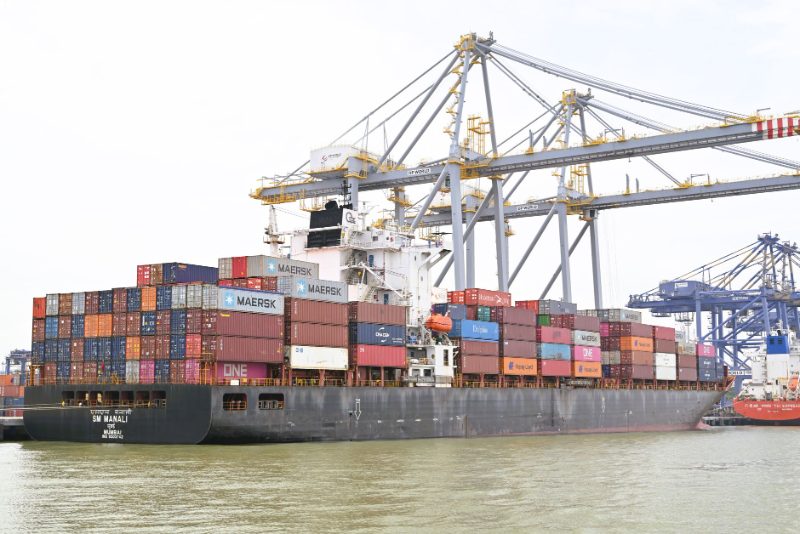
India’s merchandise trade deficit widened sharply to $30.43 billion in June 2026, a 59% year-on-year increase from $19.10 billion in June 2025, as imports surged to a record $70.84 billion while exports grew 15.5% to $40.41 billion. The India trade deficit June 2026 figure marks a five-month high, driven by elevated global crude oil prices, a 59% jump in electronics imports, and higher gold purchases — even as India’s export momentum remained robust across engineering goods and electronics.
Commerce Secretary Rajesh Agrawal attributed the surge in imports to higher global commodity prices, particularly crude oil and electronic goods. India’s crude oil import bill rose 40% year-on-year to $19.33 billion in June, partly reflecting the impact of US tariff pressure on India’s access to discounted Russian crude. Electronic goods imports jumped 59% to $13.36 billion, while gold imports rose 7% to $1.97 billion.
What Drove India’s June 2026 Export Growth of 15.5%?
India’s merchandise exports rose 15.5% year-on-year to $40.41 billion in June 2026, driven by strong performance in engineering goods, electronics, and petroleum products. Engineering goods shipments grew 21% year-on-year to $11.48 billion, supported by higher global capital expenditure and infrastructure demand. Electronic goods exports rose 19% to $4.93 billion, as India’s smartphone and components manufacturing scale-up under the PLI scheme continued to deliver results. Petroleum product exports increased 9% to $4.87 billion. Exports to Gulf countries recovered to pre-war levels at $5.3 billion in May. In Q1 FY27 (April–June), India’s overall merchandise exports grew 15.92% year-on-year to $129.32 billion, broadly on track toward the government’s $1 trillion annual merchandise export target for FY27.
How Is the Widening India Trade Deficit Affecting the Economy?
The India trade deficit June 2026 of $30.43 billion is partially offset by India’s services trade surplus, which typically runs at $14–16 billion per month. The overall current account deficit is expected to widen to 1.8–2.2% of GDP in FY27, up from 0.9% in FY26, per RBI estimates. Currency pressure has been notable, with the Indian rupee weakening against the dollar in mid-July. However, India’s foreign exchange reserves remain comfortable at approximately $665 billion, providing around nine months of import cover. The RBI deployed nearly $10 billion through its foreign currency swap window in July to manage short-term dollar liquidity and smooth exchange rate volatility. The CII has called on the government to accelerate FTA negotiations with the EU and GCC to diversify export markets.
Market and Trade Reaction
The wider-than-expected India trade deficit June 2026 was received with muted market reaction, as analysts had anticipated elevated imports given crude oil prices. The BSE Sensex was broadly flat on the July 14 trade data release date. Import-intensive sectors including crude oil refining, electronics assembly, and gold retail saw inventory build-up. Shipping and logistics companies report elevated freight movements, with JNPT container throughput up 18% year-on-year in June. Commerce Minister Piyush Goyal has maintained the $1 trillion merchandise export target for FY27, supported by a market diversification push into GCC, ASEAN, and African markets. The India-UK FTA entering force on July 15, 2026 is expected to provide a positive boost from August onwards as UK-bound exports gain duty-free access.
What Happens Next for India’s Trade Data?
India’s July 2026 trade data will be released in mid-August and will be the first monthly reading to reflect UK-India FTA tariff concessions. Analysts will closely watch crude oil prices and gold imports as key determinants of the import bill trajectory. The Commerce Ministry will release its FY27 export strategy document in August 2026, with sector-specific targets and market diversification roadmaps. India’s ongoing India-US trade framework negotiations and expected EFTA FTA implementation will further shape the trade outlook for H2 FY27. The expiry of US Article 122 tariffs on July 24, 2026 is also expected to provide a tailwind for Indian exporters in categories such as textiles, auto components, and chemicals in the second half of the year.
Frequently Asked Questions
What is India’s trade deficit for June 2026?
India’s merchandise trade deficit for June 2026 widened to $30.43 billion, a 59% year-on-year increase from $19.10 billion in June 2025. This is a five-month high, driven by a 31% surge in imports to a record $70.84 billion against export growth of 15.5% to $40.41 billion, per Commerce Ministry data released July 14, 2026.
Why did India’s imports surge in June 2026?
India’s imports surged 31% to $70.84 billion in June 2026 primarily due to a 40% rise in crude oil import costs to $19.33 billion, a 59% jump in electronic goods imports to $13.36 billion, and a 7% increase in gold imports to $1.97 billion. Higher global energy prices and strong domestic demand for consumer electronics and industrial inputs were the key drivers of the India trade deficit June 2026 widening.
Is India on track to meet its $1 trillion export target for FY27?
India’s merchandise exports grew 15.92% year-on-year to $129.32 billion in Q1 FY27 (April–June), placing it broadly on track toward the $1 trillion annual export target that requires approximately 17% full-year growth. Key upside risks include UK-India FTA concessions, Article 122 tariff expiry from July 24, and potential India-US trade framework progress. Downside risks include global demand uncertainty and elevated crude oil import costs widening the trade deficit.











Leave a comment