

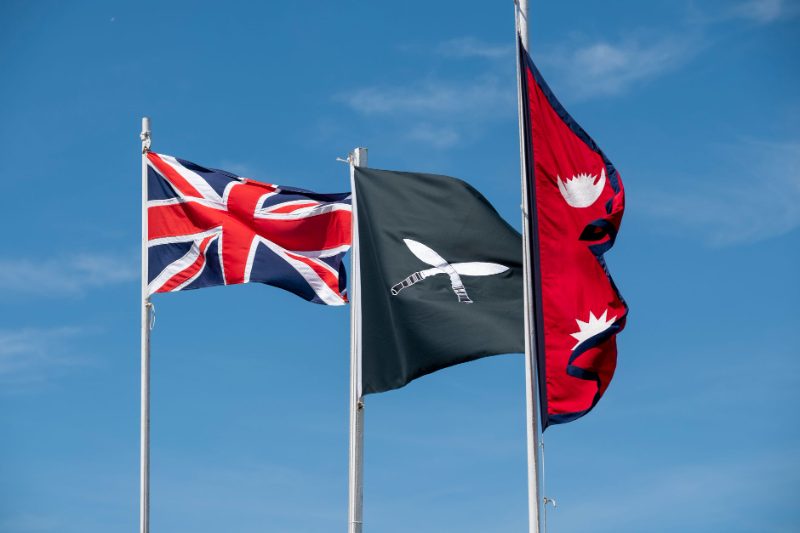
The India-UK Comprehensive Economic and Trade Agreement — the UK’s most economically significant bilateral trade deal since leaving the European Union — entered into force on July 15, 2026, opening a new chapter in one of the world’s most consequential emerging bilateral relationships. The India UK trade agreement 2026 is forecast to boost UK GDP by £4.8 billion and India’s GDP by £5.1 billion annually in the long run, increase bilateral trade by £25.5 billion a year, and reshape the strategic, economic, and people-to-people ties between the world’s fifth and sixth-largest economies.
The agreement was signed by Prime Ministers Narendra Modi and Keir Starmer on July 24, 2025, following three years of negotiations. It covers goods, services, digital trade, professional mobility, and includes the first-ever AI and data governance chapter in any India trade deal. July 15, 2026 is day one of preferential tariff access — and the starting gun for a new era in UK-India economic relations that both governments have described as a “living bridge” that goes far beyond trade statistics.
Why Is the India UK Trade Agreement 2026 Significant for the UK’s Post-Brexit Strategy?
For the UK, the India UK trade agreement 2026 is the most consequential trade relationship concluded since leaving the EU’s single market in January 2021. India is the UK’s 11th-largest trade partner, with bilateral trade worth £42 billion in 2025. The UK’s trade negotiators estimate the deal will eventually unlock £900 million in annual tariff savings for UK exporters to India — covering Scotch whisky, medical devices, advanced manufacturing, financial services, and luxury consumer goods. Scotch whisky tariffs — previously 150% — fall to 75% from July 15, with a 10-year phase-down to zero, potentially generating £1 billion in annual exports by 2031. The UK’s Department for Business and Trade has described the India FTA as “the crown jewel of the UK’s post-Brexit trade agenda.” The deal also includes a social security agreement exempting Indian IT professionals working temporarily in the UK from double social security contributions — saving an estimated £8,000–12,000 per worker per year — a direct win for India’s $250 billion IT services industry.
What Does the India UK Trade Agreement 2026 Signal for India’s Global Position?
For India, the FTA with the UK represents a milestone in the country’s decade-long effort to secure preferential access in developed markets as part of Prime Minister Modi’s “Viksit Bharat” (Developed India) 2047 vision. India now has active FTAs or Comprehensive Economic Partnership Agreements with UAE, Mauritius, ASEAN, Japan, South Korea, and the UK. An EU FTA is under negotiation, with a targeted signature by early 2027. India’s FATF vice-presidency in 2026 and BRICS chairmanship — culminating in the New Delhi summit on September 12–13 — further embed India in the architecture of global economic governance. The India-UK FTA also strengthens India’s hand in ongoing India-US interim trade arrangement talks, demonstrating India’s willingness and capacity to conclude complex, comprehensive bilateral agreements.
Market and Trade Reaction on July 15, 2026
Reactions on implementation day were strongly positive across multiple fronts. India’s Foreign Secretary Vikram Misri marked the occasion noting “a new chapter in one of the most dynamic bilateral relationships of the 21st century.” UK businesses with Indian operations — including Tata Group (Jaguar Land Rover, Tata Steel UK), Reliance Brands’ UK retail presence, and Infosys’ 15,000-strong UK workforce — welcomed the reduction in trade friction. In financial markets, India’s textile and garment sector stocks rallied 4–6% while the UK’s FTSE 100 consumer goods sub-index gained 0.9%. Bharat Tex 2026 — India’s flagship textile trade show running July 14–17 in New Delhi — provided a symbolic backdrop, with UK buyers and Indian manufacturers signing initial preferential-rate supply contracts on July 15 itself. India-UK bilateral trade is forecast to reach £67 billion by 2030 and the UK Government has set an even more ambitious £100 billion target.
What Happens Next in India-UK Relations?
Both governments will now establish a Joint Committee to oversee FTA implementation, manage rules of origin compliance, and handle dispute resolution. The FTA’s review clause is set for five years post-implementation (July 2031). The professional services and digital trade chapters — covering AI and data governance — will generate implementing guidelines by December 2026. An India-UK tech partnership, announced in parallel with the FTA, will see joint funding of AI research centres in Bengaluru and Edinburgh, and an exchange programme for 500 young scientists and engineers annually. A potential India-EU FTA signature by early 2027 will be the next landmark in India’s developed-market FTA offensive. For the UK, the India FTA sets a template it hopes to replicate in ongoing trade talks with Gulf Cooperation Council (GCC) nations, where India-like provisions on services and professional mobility are being considered.
Frequently Asked Questions
Is the India-UK trade agreement the UK’s biggest deal since Brexit?
Yes, the India UK trade agreement 2026 is widely described as the UK’s most economically significant bilateral trade deal since leaving the European Union in 2021. It is forecast to boost UK GDP by £4.8 billion annually and increase bilateral trade by £25.5 billion per year in the long run — larger projected gains than the UK’s FTAs with Australia, Japan, or New Zealand combined.
What are the main benefits of the India UK trade agreement 2026 for India?
India benefits from zero-duty access for nearly all exports to the UK, including textiles, garments, footwear, processed food, spices, and engineering goods. The social security exemption for Indian IT and professional services workers in the UK saves £8,000–12,000 per worker per year. Improved financial services market access and the first-ever AI and digital trade chapter in an India FTA also strengthen India’s services export position significantly.
How will the India-UK trade agreement affect Scotch whisky prices in India?
Under the India UK trade agreement 2026, Scotch whisky tariffs fall from 150% to 75% immediately on July 15, 2026, and phase to zero over 10 years. This will progressively lower the retail price of Scotch whisky in India — estimated to reduce consumer prices by 15–25% in the first year — and could make Scotch more competitive against premium Indian single malts. The Scotch Whisky Association projects Indian market exports could reach £1 billion annually by 2031.










Leave a comment