

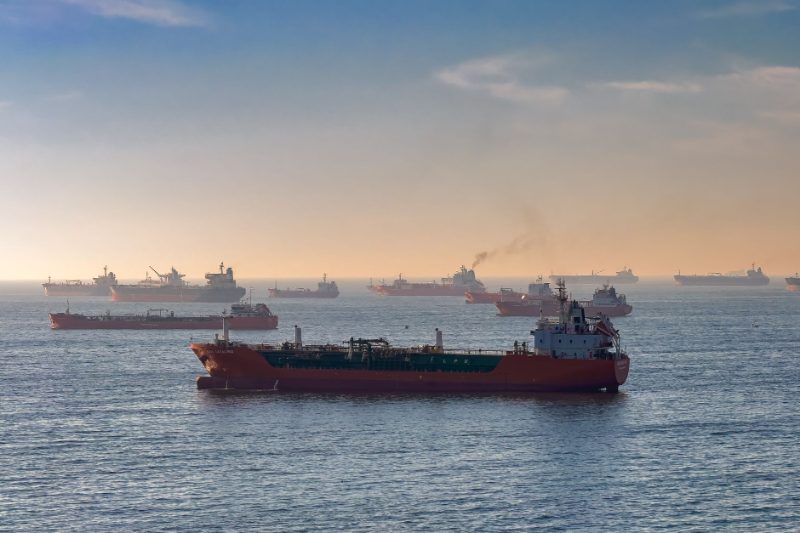
President Donald Trump has rejected Iran’s proposal to reopen the Strait of Hormuz, sending Brent crude up more than 3% to nearly $108 a barrel on Monday, September 28, 2026. Trump said Tehran’s latest plan for ending the US-Israel war on Iran was “not acceptable”, leaving talks deadlocked.
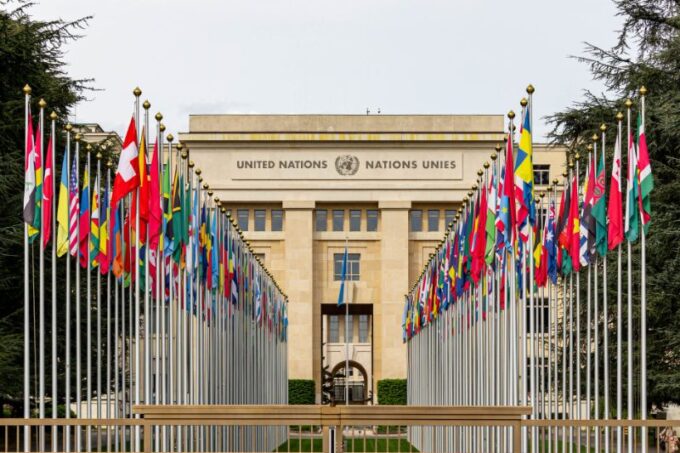
Iran presented the plan at the UN General Assembly. It asked the US to release frozen Iranian funds, lift sanctions and end its naval blockade of Iranian ports, in return for reopening the Strait of Hormuz and resuming nuclear negotiations within one week.
What Did Iran Offer to Reopen the Strait of Hormuz?
Iran’s offer linked shipping access to three US steps: releasing frozen funds, lifting sanctions and ending the naval blockade. If accepted, Tehran would have reopened the strait and restarted nuclear talks within seven days. Trump rejected it on Saturday, according to Al Jazeera’s report.
The strait matters because it is a critical route for global oil and gas. Before the war, about 130 vessels transited daily. During September 21-27, transits totalled 132 for the whole week, up from 116 the week before, so traffic is recovering only slowly from its earlier collapse.
How Did Oil and Asian Markets React?
Brent crude rose more than 3% to nearly $108 in Asian trading, with November futures at $107.35 per barrel as of 08:00 GMT. Another report put the rise at 3.81% to $108.3. Asian equities were mixed: Japan’s Nikkei 225 fell 0.73% and South Korea’s Kospi dropped 2.70%, while Hong Kong’s Hang Seng gained 0.54% and Australia’s ASX 200 rose 0.17%.
What Does This Mean for India?
India imports most of its crude oil, so higher prices raise the import bill and inflation risks. On September 28, the Sensex fell 1,124 points to a six-month low, and the rupee weakened to around 96 per dollar. The Reserve Bank of India is also draining liquidity through bond sales to support the currency.
What Happens Next?
Key things to watch include whether Washington and Tehran resume contact, weekly Hormuz transit counts, and Brent’s response to any diplomatic signal. Prolonged closure would keep energy prices elevated and add cost pressure on importers such as India, Japan and South Korea.
Frequently Asked Questions
Why did oil prices rise on September 28, 2026?
Prices rose after Trump rejected Iran’s plan to reopen the Strait of Hormuz, raising fears of prolonged supply disruption. Brent moved to nearly $108 a barrel.
What did Iran propose?
Iran asked the US to release frozen funds, lift sanctions and end the naval blockade of its ports, offering to reopen Hormuz and resume nuclear talks within a week.
How does this affect India?
Higher crude raises India’s import bill, weakens the rupee and pressures equity markets, as seen in the Sensex’s 1,124-point fall.









Leave a comment