

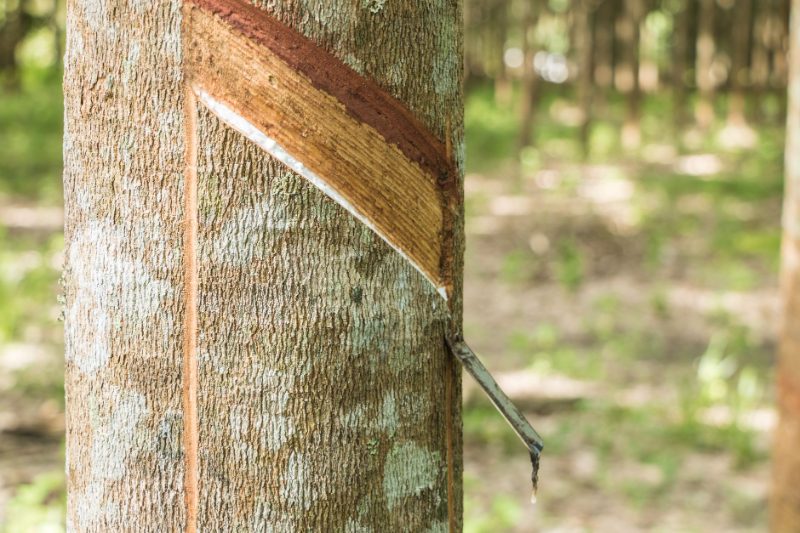
Natural rubber prices stayed firm in Kerala’s key growing markets in mid-July 2026 as global rubber futures climbed to 218.70 US cents per kilogram on July 16, up 0.55% on the day and roughly 30.72% higher than a year earlier, even though prices have eased 5.57% over the past month. The firmness comes as monsoon rains delay the full resumption of tapping in Kerala after the summer break, tightening near-term domestic supply just as tyre makers head into a demand-heavy stretch of the fiscal year.
India’s roughly 1.2 million rubber growers, concentrated in Kerala and the Northeast, are watching the price recovery closely after a volatile 12 months in which natural rubber costs surged 8-10% on supply disruptions. Prices in major trading centres including Kottayam, Kochi, Mumbai, Chennai, Delhi, and Kolkata have ranged between roughly Rs 18,800 and Rs 24,000 per quintal through 2026, with growers’ bodies continuing to resist any reduction in the 25% import duty on natural rubber that tyre manufacturers have lobbied to ease.
Why Are Rubber Prices Firm Despite a Monthly Decline?
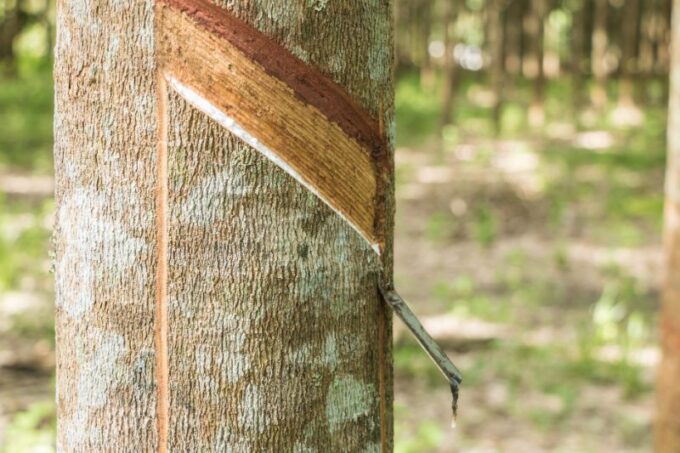
Two supply-side forces are offsetting the past month’s softness: Thailand, the world’s largest natural rubber producer, has entered its peak tapping season with output recovering as rainfall eased in late June and early July, which would normally pressure prices lower. But elevated crude oil prices have made synthetic rubber alternatives more expensive, pushing tyre makers and other consumers back toward natural rubber and supporting the recent rebound. In Kerala specifically, monsoon rains have delayed growers from fully resuming tapping after the summer break, tightening domestic availability even as global supply improves.
What Does This Mean for India’s Rubber and Tyre Industry?
Nearly 40% of India’s natural rubber requirement is met through imports because domestic production hasn’t kept pace with tyre industry demand, leaving manufacturers exposed to exactly this kind of price volatility. Four leading tyre makers have already committed roughly Rs 1,100 crore to expand rubber plantations across the Northeast and West Bengal, with more than 1.25 lakh hectares planted so far across 94 districts, in a direct response to the domestic supply gap. Higher or firmer natural rubber prices squeeze tyre makers’ input costs at a time when the industry is also contending with EU anti-dumping duties on Chinese tyre imports, which industry watchers say could dampen natural rubber consumption if it curbs export volumes.
Market Reaction and Industry Response
Growers’ associations, including the United Planters’ Association of Southern India, have reiterated their opposition to cutting the 25% import duty on natural rubber, arguing that any reduction would hurt the 1.2 million growers who depend on the crop, even as tyre manufacturers continue to push for relief on landed rubber costs. Tyre makers, meanwhile, are leaning on their plantation-expansion programme in the Northeast and West Bengal as a longer-term hedge against import dependence, rather than waiting on duty policy to shift in their favour.
What Happens Next?
Prices will likely stay sensitive to Kerala’s monsoon progress over the coming weeks, since a delayed return to full tapping keeps domestic supply tight regardless of what happens with Thailand’s harvest. Watch for further movement in global rubber futures as Thailand’s peak season output comes fully online, which could cap further gains, alongside any policy signals on the import duty debate between growers and tyre manufacturers ahead of the next Budget cycle.
Frequently Asked Questions
Why are natural rubber prices rising in India in July 2026?
Monsoon-related tapping delays in Kerala are tightening domestic supply, while elevated crude oil prices are making synthetic rubber alternatives costlier, pushing consumers back toward natural rubber and supporting prices despite Thailand’s improving output.
How much of India’s rubber demand is met by imports?
Around 40% of India’s natural rubber requirement is currently met through imports, a gap that four major tyre manufacturers are trying to close with a roughly Rs 1,100 crore, five-year plantation expansion in the Northeast and West Bengal.
Will India cut the import duty on natural rubber?
There’s no confirmed change yet. Growers’ bodies like the United Planters’ Association of Southern India oppose any cut to the current 25% duty, while tyre manufacturers continue to push for a reduction to ease input costs.








Leave a comment