

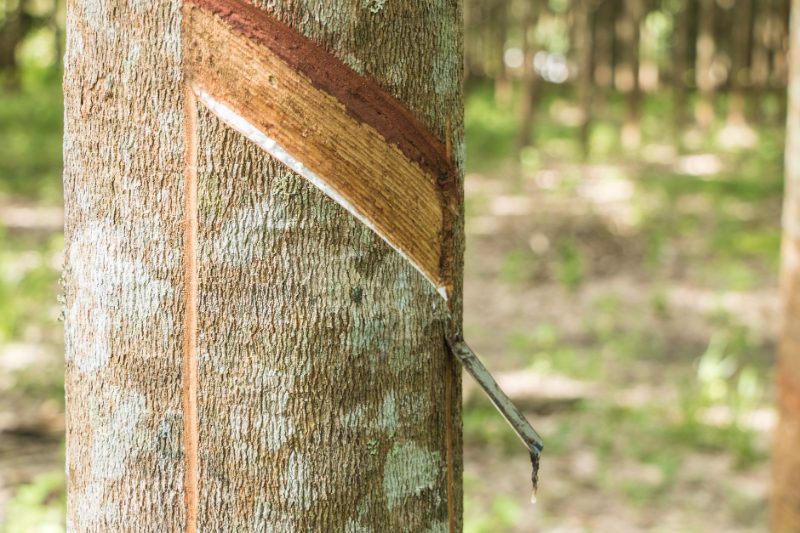
Global natural rubber futures climbed to around 249 US cents per kilogram in September 2026, their highest level since 2013, as tightening supply from Southeast Asia’s top producing nations pushes up costs for India’s tyre makers, footwear manufacturers and industrial rubber goods producers. Domestic mandi prices in India have moved in tandem, with average natural rubber quoted at roughly INR 30,650 per quintal as of September 12, 2026.
The price surge is being driven primarily by supply constraints rather than a spike in demand. Indonesia’s natural rubber exports fell 21% year-on-year in the first seven months of 2026, according to trade data tracked by commodity analysts, while heavy rainfall across Thailand through mid-September has disrupted tapping activity and cut into latex collection at the tail end of the region’s peak tapping season. Indonesia and Thailand together account for a large share of the world’s natural rubber supply, making disruptions in either country highly consequential for global and Indian pricing.
Why Are Global Rubber Prices at a 13-Year High?
Rubber futures traded around 230 US cents per kilogram in early September before climbing toward 249 cents mid-month, a level not seen since 2013. Analysts attribute the rally to a combination of falling Indonesian export volumes, weather-related tapping disruptions in Thailand, and the seasonal wind-down of peak tapping activity across Southeast Asia in September. Unlike prior rubber price spikes driven by speculative trading, this cycle is being described by commodity analysts as fundamentally supply-driven, with physical tightness in the market rather than futures speculation as the primary cause.
What Does This Mean for India’s Rubber and Tyre Industry?
India imports a significant share of the natural rubber it consumes, particularly for tyre manufacturing, so a global price rally directly raises input costs for domestic tyre makers, conveyor belt manufacturers and rubber goods producers. Rising global prices also affect Indian rubber growers and smallholders, many of whom have faced years of depressed domestic prices; a global rally could offer some relief to plantation-level producers even as it squeezes downstream manufacturers who buy rubber as a raw material. The dynamic sets up a familiar tension in India’s rubber value chain between growers seeking higher farm-gate prices and processors seeking price stability.
Market Reaction and Industry Response
Indian tyre and rubber goods manufacturers are watching the rally closely, as natural rubber remains one of their largest input cost lines alongside carbon black and other petrochemical-derived materials. Industry associations have renewed calls for policy measures to cushion the impact of global price volatility, including greater domestic production support and import duty adjustments. The All India Rubber Industries Association has separately reiterated its request for a higher import duty on rubber-finished products, arguing that oversupply of finished rubber goods from overseas has depressed margins for Indian processors even as raw material costs rise.
What Happens Next?
Global natural rubber production for 2026 is forecast to reach roughly 15.3 million tonnes, a 2.2% increase over 2025, which could ease supply pressure once the monsoon disruption in Thailand passes and tapping resumes at normal levels. Indian tyre makers are expected to watch international benchmark prices closely over the coming weeks to decide whether to pass on cost increases to consumers through tyre price hikes, a step several manufacturers have taken in past rubber price cycles. Domestic mandi prices are likely to track the international trend unless the government intervenes with import duty or buffer stock measures.
Frequently Asked Questions
Why have global rubber prices hit a 13-year high in September 2026?
Falling natural rubber exports from Indonesia, down 21% year-on-year, combined with rain-disrupted tapping in Thailand during the tail end of peak season, have tightened global supply and pushed futures to around 249 US cents per kilogram.
How does the global rubber rally affect Indian tyre prices?
Natural rubber is a major input cost for tyre manufacturing, so sustained high global prices increase production costs for Indian tyre makers, who may pass some of the increase on to consumers.
What is the current rubber price in the Indian domestic market?
As of September 12, 2026, the average mandi price of natural rubber in India was about INR 30,650 per quintal, with prices ranging from roughly INR 26,400 to INR 35,000 per quintal depending on grade and location.









Leave a comment