

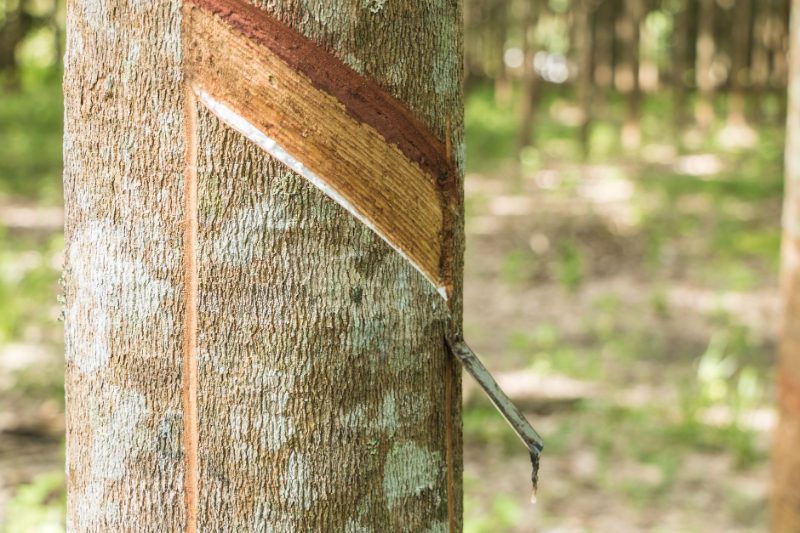
Domestic natural rubber price India levels have climbed to a multi-year high of around Rs 250 per kg in the first half of the current fiscal year, surging more than 33% year-on-year as global supply tightens and demand from tyre manufacturers stays firm. The rally has pushed global rubber futures to roughly 249.90 US cents per kilogram, their highest level since 2013, driven by falling exports from Indonesia and disrupted tapping activity in Thailand due to heavier-than-usual rainfall.
India’s own natural rubber deficit, estimated at around 550,000 tonnes annually, leaves domestic tyre and rubber goods manufacturers directly exposed to this international price volatility, since a large share of the shortfall must be met through imports priced at global rates.
Why Are Natural Rubber Prices Surging in 2026?
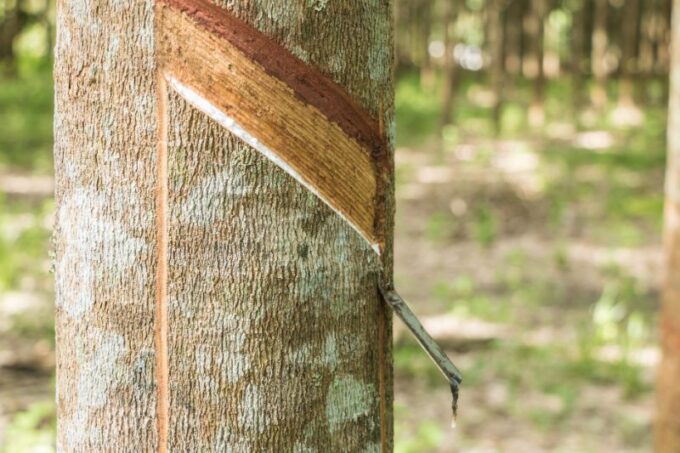
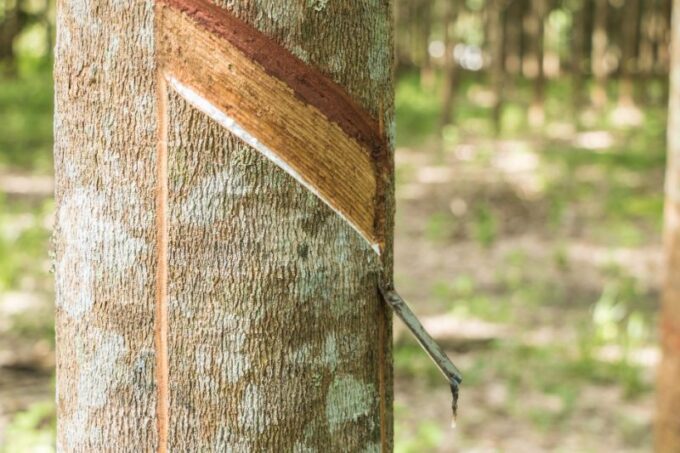
The natural rubber price India spike stems from a combination of supply constraints and steady industrial demand. Indonesia’s natural rubber exports fell 21% year-on-year in the first seven months of 2026, while the end of Southeast Asia’s peak tapping season in September is expected to tighten regional supplies further. Thailand, the world’s largest natural rubber producer, has also seen tapping disrupted by intermittent heavy rainfall through mid-September, compounding the supply squeeze.
On the demand side, automotive production and tyre replacement demand have remained resilient through 2026, keeping consumption steady even as producers struggle to keep pace with output. This mismatch between tightening supply and firm demand has been the central driver pushing prices to their highest level in over a decade.
What Does This Mean for India’s Rubber and Tyre Industry?
Higher natural rubber price India trends are directly squeezing profit margins at tyre manufacturers, since rubber is one of the largest input cost components in tyre production. According to Nomura India, Apollo Tyres and JK Tyre have already reduced prices by 1.5% to 2% on select truck and bus radial (TBR) tyres in an effort to manage competitive pressure even as their own input costs climb, a move that suggests limited ability to fully pass on cost increases to customers in a competitive replacement market.
Credit rating agencies have flagged that sustained high natural rubber prices are likely to weigh on the profitability of tyre makers well beyond the current fiscal year, particularly for companies with limited pricing power in the replacement tyre segment.
Market Reaction and Industry Response
Tyre company stocks have shown volatility as investors weigh the impact of rising input costs against relatively resilient automotive demand. The All India Rubber Industries Association (AIRIA) has continued to press the government to ease trade restrictions on natural rubber and rubber compound imports, arguing that current import duties compound the pain from already-elevated global prices for downstream rubber goods manufacturers.
At the same time, domestic rubber growers and producer associations have pushed back against any import duty reduction, since higher prices are currently benefiting plantation income after years of subdued rates, setting up a continuing tension between upstream producers and downstream tyre and rubber goods manufacturers.
What Happens Next for Rubber Prices and Tyre Makers?
With Southeast Asia’s peak tapping season ending and rainfall disruptions continuing in key producing regions, analysts expect natural rubber prices to remain elevated through the remainder of 2026. Tyre makers will likely continue calibrating prices selectively across segments to balance margin protection against competitive pressure, while watching for any government move on import duty policy that could ease cost pressures on the downstream industry.
Frequently Asked Questions
How much have natural rubber prices risen in India in 2026?
Domestic natural rubber prices have risen more than 33% year-on-year in the first half of the fiscal year, reaching around Rs 250 per kg, a multi-year high.
Why are tyre companies like Apollo Tyres cutting prices despite rising rubber costs?
Apollo Tyres and JK Tyre have cut prices by 1.5-2% on select TBR tyres to remain competitive in the replacement market, even as their raw material costs rise, reflecting limited pricing power in that segment.
What is causing the global natural rubber supply shortage?
A 21% year-on-year drop in Indonesian rubber exports and rain-disrupted tapping in Thailand, combined with the end of Southeast Asia’s peak tapping season, have tightened global natural rubber supply.







Leave a comment