

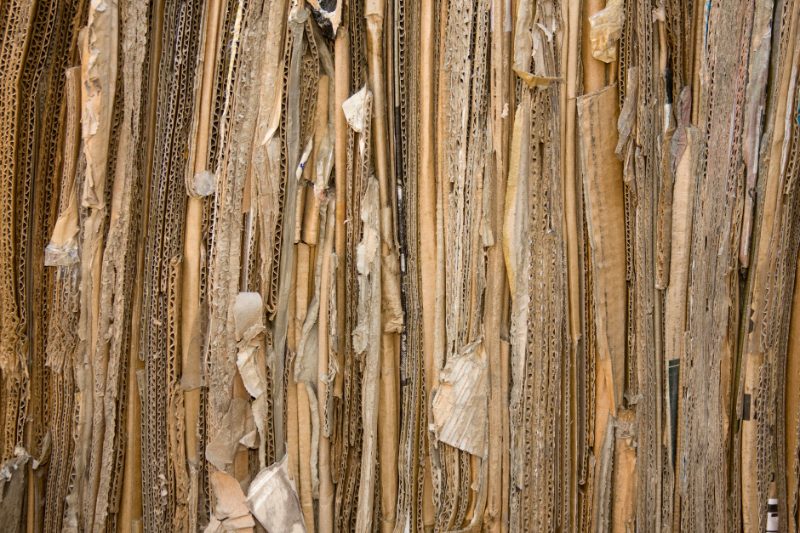
India’s kraft paper market outlook has turned cautious as mills grapple with excess capacity, regional demand disparities, volatile raw material prices and payment cycles that stretch as long as 120 days. Industry leaders say the combination of slow buyer payments and fast-due supplier bills is straining working capital across the sector, even as finished paper prices hold in a narrow band.
According to a report by The Pulp and Paper Times published in mid-July 2026, kraft paper mills across India are being paid by corrugators and packaging buyers on cycles stretching up to 120 days, while the waste paper suppliers who feed those same mills demand payment within 20-25 days. That mismatch is squeezing liquidity at a time when raw material costs already vary sharply by region and finished paper prices are barely moving, leaving little cushion for mills operating on thin, single-digit margins.
Why Has India’s Kraft Paper Market Outlook Turned Cautious?
Industry leaders point to four pressures at once: excess installed capacity chasing limited demand, sharp regional differences in both raw material and finished paper pricing, volatile waste paper costs, and payment cycles that can run four months. Waste paper, the primary raw material for kraft paper, is priced around ₹16.5-18 per kg in South and Western India but climbs to ₹20-20.5 per kg in Western Uttar Pradesh, forcing mills in different regions to work with very different cost bases. Finished kraft paper, meanwhile, is selling in a tight range of roughly ₹29-30.5 per kg nationally, leaving little room for mills with higher input costs to protect margins.
How Are Payment Delays Reshaping the Kraft Paper Supply Chain?
The gap between a 120-day buyer payment cycle and a 20-25 day supplier payment demand forces mills to fund nearly four months of working capital out of pocket before recovering cash from customers. This has changed buying behaviour throughout the chain: corrugators and packaging converters have shifted to need-based, just-in-time purchasing rather than building inventory ahead of demand, a marked change from the stock-building behaviour common a few years ago. That shift reduces speculative demand spikes but also means mills can no longer count on advance orders to smooth production planning, adding further uncertainty to an already thin-margin business. Smaller mills with less financial cushion are reportedly feeling the working-capital squeeze more acutely than larger, better-capitalised players, some of whom are reportedly extending informal credit lines just to keep production running.
Market Reaction and Industry Response
Kraft paper producers and trade bodies have responded by tightening credit terms where possible and pushing back against the longest payment cycles, though the report notes that competitive pressure from excess capacity limits how hard individual mills can push. Corrugators, for their part, defend need-based buying as a rational response to volatile input costs and uneven regional demand, arguing that holding inventory in a market with ₹16.5-20.5 per kg raw material swings carries its own risk. The result is a standoff where neither mills nor buyers are willing to absorb more risk than necessary, keeping overall sentiment cautious heading into the second half of 2026.
What Happens Next?
The kraft paper market outlook will likely stay cautious until either capacity rationalizes or payment terms tighten closer to industry-standard cycles. Mills will be watching regional waste paper price gaps between South, Western and Western Uttar Pradesh markets for signs of convergence, which would ease some of the cost unpredictability driving cautious buying. Corrugators and converters are expected to keep favouring need-based purchasing through the rest of 2026, and any recovery in stock-building behaviour would signal renewed confidence returning to the sector. Analysts will also track whether finished kraft paper prices can move beyond the current ₹29-30.5 per kg band as costs evolve, and whether payment terms narrow closer to the 20-25 day cycle mills need from their own suppliers.
Frequently Asked Questions
Why are kraft paper mills facing a cash flow squeeze?
Mills often wait up to 120 days to be paid by corrugators and packaging buyers, while waste paper suppliers require payment within 20-25 days, forcing mills to finance nearly four months of working capital themselves before recovering cash from customers.
How much do kraft paper and waste paper prices vary by region in India?
Waste paper costs roughly ₹16.5-18 per kg in South and Western India versus ₹20-20.5 per kg in Western Uttar Pradesh, while finished kraft paper prices hover around ₹29-30.5 per kg nationally, leaving thin, uneven margins across regions.
Why have corrugators stopped stock-building kraft paper inventory?
Corrugators and buyers have shifted to need-based purchasing because volatile raw material prices and regional demand disparities make holding large inventories risky, a marked change from the stock-building pattern common in the kraft paper market a few years ago.












Leave a comment