

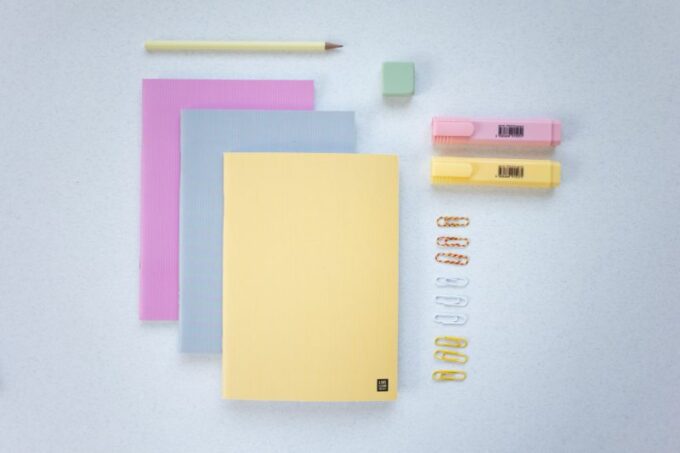
India’s paper industry could see a sharp rise in low-cost imports of exercise books and notebooks after recent GST reforms left imported paper products tax-free while domestic manufacturers continue absorbing embedded input taxes, the Indian Paper Manufacturers Association (IPMA) warned in mid-September 2026. IPMA president Pawan Agarwal said the changes risk turning India into “a dumping ground” for cheaper paper from abroad at a time when domestic mills are already under pressure from rising imports.
Under the revised GST structure, notebooks and exercise books are now exempt from GST, meaning foreign exporters pay no Integrated GST (IGST) on these products entering India. Domestic manufacturers, however, lose eligibility for input tax credit (ITC) on an exempted final product, forcing them to absorb the embedded tax on paper, ink and other inputs within their own cost structure. IPMA estimates this mismatch will push up production costs for domestically made notebooks by as much as 35 percent and printed textbooks by more than 6 percent, widening the price gap in favour of imports.
Why Are GST Reforms a Threat to India’s Paper Industry?
The core issue is an asymmetry in how the exemption is applied. Because imported notebooks and paper enter duty-free of IGST while Indian mills cannot claim credit for the tax already paid on their raw materials, foreign suppliers gain a structural cost advantage even before considering scale or currency factors. IPMA data shows paper and paperboard imports into India have already roughly doubled over four years, rising from 1.08 million tonnes in FY21 to 2.06 million tonnes in FY25, worth close to ₹15,000 crore, growing at a compound annual rate of more than 17 percent in volume terms.
What Does This Mean for Domestic Paper Manufacturers?
Companies such as JK Paper, West Coast Paper Mills, Andhra Paper and Seshasayee Paper, which together account for a large share of India’s writing and printing paper capacity, are directly exposed to any further surge in cheap notebook and exercise-book imports. Manufacturers focused on education-linked paper products are especially vulnerable, since school stationery is a high-volume, price-sensitive category where even a modest cost disadvantage can shift large order volumes to imported suppliers, particularly from South East Asian producers.
Market Reaction and Industry Response
IPMA has asked the government to review the GST treatment of paper-based education products so that domestic manufacturers are not penalised relative to duty-free imports. The association’s warning follows a separate, ongoing push by domestic paper makers for anti-dumping duties on Virgin Multi-Layer Paperboard imports from Indonesia, where the Directorate General of Trade Remedies has already found evidence of dumping. Taken together, industry participants say the two issues underline a broader competitiveness squeeze facing Indian paper mills from multiple import channels at once.
What Happens Next?
IPMA is pressing the finance ministry to correct the input tax credit mismatch before the festive and back-to-school buying season drives a fresh wave of stationery imports. Industry watchers expect the issue to be raised at the next GST Council review, alongside the paperboard anti-dumping case, as domestic producers seek a level playing field against tax-free imported paper products.
Frequently Asked Questions
Why do GST reforms disadvantage India’s paper manufacturers?
Notebooks and exercise books are now GST-exempt, so imports enter tax-free while Indian manufacturers cannot claim input tax credit on materials used to make the same exempted products, raising their effective costs.
How much have paper imports grown in India?
Paper and paperboard imports nearly doubled from 1.08 million tonnes in FY21 to 2.06 million tonnes in FY25, growing at over 17 percent CAGR in volume terms, according to IPMA.
Which companies are most exposed to rising paper imports?
Domestic producers of writing, printing and notebook paper, including JK Paper, West Coast Paper Mills and Andhra Paper, face the greatest exposure given their focus on education-linked paper products.










Leave a comment