

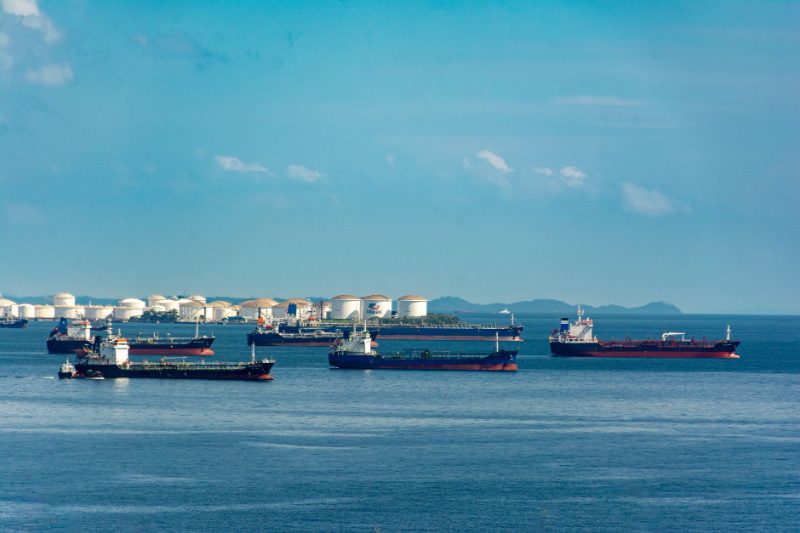
Brent crude touched a one-month high of $85.92 a barrel in mid-July 2026 as renewed US-Iran hostilities entered a third consecutive day, extending a 9.6 percent single-day gain and dimming hopes of a return to normal shipping through the Strait of Hormuz. Weekly transit data showed just 57 vessels crossed the strait over one weekend, a drop of more than 50 percent from the previous week.
The price surge follows fresh US strikes on Iranian targets and continued Iranian threats against commercial shipping in the strait, which has been effectively contested since the war began on February 28, 2026. The International Energy Agency has characterised the resulting disruption as the largest supply shock in the history of the global oil market, with roughly 27 percent of global seaborne crude and petroleum product trade normally routed through the waterway.
How Are Oil-Importing Economies Like India Affected?
India imports more than 85 percent of its crude oil and roughly 60 percent of its LPG requirements, with about 90 percent of LPG imports typically passing through Hormuz, making cooking gas supply more exposed than petrol or diesel to a prolonged closure. While India has diversified crude sourcing toward Russia, the US, Africa and Latin America, reducing direct Hormuz dependence to about 30 percent of imports, elevated global benchmark prices still raise the overall import bill.
What Do Analysts and the IEA Say About the Outlook?
The IEA and independent energy analysts have warned that a sustained closure could push oil prices significantly higher than current levels, given the scale of daily flows normally carried through the strait. Shipping insurers have sharply raised war-risk premiums for Gulf transits, a cost that is being passed on to cargo owners and, ultimately, to fuel importers such as India.
Market and Trade Reaction
Global equity markets have seen intermittent sell-offs tied to the escalation, while safe-haven assets and energy stocks have rallied. The rupee and other emerging-market currencies of major oil importers have faced depreciation pressure as the costlier import bill widens current account deficits.
What Happens Next?
Markets are watching for signs of a ceasefire or de-escalation between the US and Iran, alongside diplomatic efforts by the EU and Gulf Cooperation Council to keep the strait open under international law. Weekly vessel transit counts through Hormuz remain the most closely tracked real-time indicator of the crisis’s trajectory.
Frequently Asked Questions
Why did oil prices hit a one-month high in July 2026?
Brent crude rose to $85.92 a barrel as renewed US-Iran attacks disrupted shipping through the Strait of Hormuz, a route that normally carries about 27 percent of global seaborne oil trade.
How much has shipping traffic through the Strait of Hormuz fallen?
Weekly vessel transits dropped more than 50 percent, with only 57 recorded crossings over one weekend in mid-July 2026, compared with the prior week.
How exposed is India to the Strait of Hormuz crisis?
India imports over 85 percent of its crude oil and about 60 percent of its LPG, with roughly 90 percent of LPG imports historically routed through Hormuz, though crude sourcing has diversified in recent months.














Leave a comment