

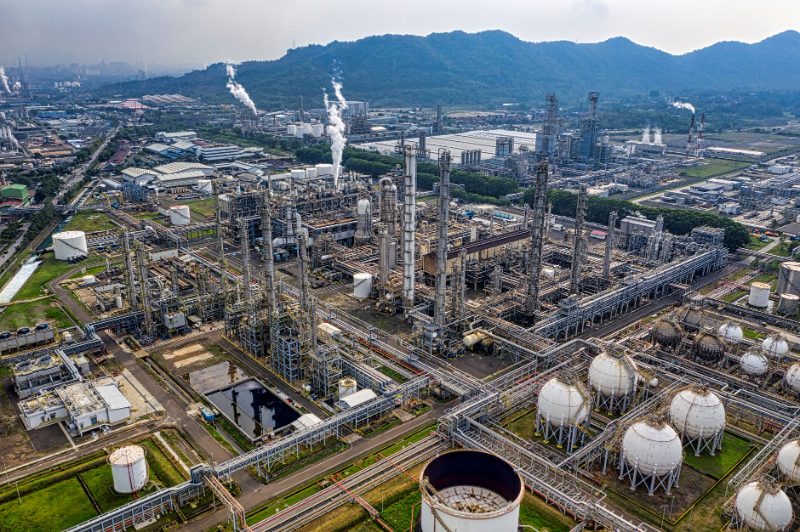
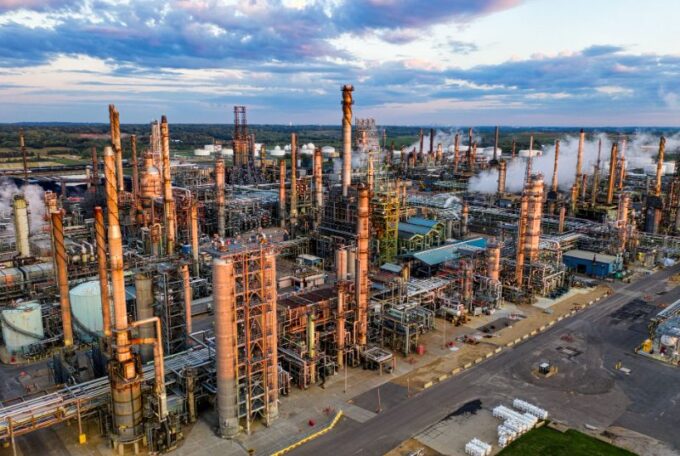
Haldia Petrochemicals Limited (HPL) is set to inaugurate its new Rs 6,000 crore ($627 million) phenol and acetone facility on October 14, 2026, in a project that positions the Haldia Petrochemicals phenol plant as the largest of its kind in India. The West Bengal facility, developed under Adplus Polymers & Chemicals, will add approximately 345 KTPA of phenol capacity alongside 215 KTPA of acetone capacity once fully operational.
The project also features India’s first on-purpose propylene unit based on olefin conversion technology, a manufacturing route that allows HPL to produce propylene feedstock independent of traditional refinery or steam cracker output, giving the company greater flexibility in feedstock sourcing for its downstream chemical operations.
Why Is the Haldia Petrochemicals Phenol Plant Significant for India?
Phenol and acetone are key intermediates used across pharmaceuticals, paints, coatings and automotive components, yet India has historically relied heavily on imports to meet domestic demand for these chemicals. The Haldia Petrochemicals phenol plant is expected to substantially reduce this import dependence by localising production of both chemicals at scale, aligning with the broader push under India’s chemicals sector strategy to build domestic capacity in high-value intermediates.
The scale of the investment, at Rs 6,000 crore, also reflects growing confidence among Indian petrochemical majors in long-term domestic demand growth, even as the global chemical industry navigates a challenging cycle marked by overcapacity in commodity petrochemicals through much of 2026.
What Does This Mean for India’s Chemical and Downstream Industries?
For pharmaceutical manufacturers, paint and coatings producers, and automotive component makers who currently import phenol and acetone, the new facility promises more reliable domestic supply and potentially more competitive pricing once the plant ramps to full capacity. Analysts covering the acetone market have noted that Haldia’s new capacity could reshape pricing dynamics in India, potentially easing what some reports describe as a scarcity premium currently embedded in domestic acetone prices.
The addition of India’s first on-purpose propylene unit also signals a broader shift in how domestic petrochemical producers are approaching feedstock security, reducing dependence on propylene as a byproduct of other refining processes and instead investing in dedicated, flexible production technology.
Market Reaction and Industry Response
Industry publications tracking the Haldia project have highlighted the scale of the investment and its potential to reset India’s acetone and phenol supply-demand balance once operational. HPL has also signed a license amendment with Lummus Technology to enhance the phenol plant’s capacity, indicating the company is planning for potential future expansion beyond the initial installed capacity figures.
Downstream industry groups in pharmaceuticals and coatings have generally welcomed the prospect of greater domestic phenol and acetone availability, given how import dependence has historically exposed Indian manufacturers to global price swings and supply disruptions for these intermediates.
What Happens Next for Haldia Petrochemicals?
Following the October 14, 2026 inauguration, attention will turn to the plant’s ramp-up schedule and how quickly it reaches full production of 345 KTPA phenol and 215 KTPA acetone. Market watchers will also track how the new supply affects domestic pricing for these chemicals over the following two to three quarters, along with any further expansion plans HPL may pursue given its existing licensing arrangement with Lummus Technology.
Frequently Asked Questions
When will Haldia Petrochemicals’ new phenol plant open?
The Rs 6,000 crore phenol and acetone facility is scheduled for inauguration on October 14, 2026.
How much phenol and acetone will the new Haldia plant produce?
The facility will add approximately 345 KTPA of phenol capacity and 215 KTPA of acetone capacity, making it India’s largest phenol plant.
Why does this project matter for India’s chemical industry?
It significantly expands domestic production of phenol and acetone, key intermediates for pharmaceuticals, paints, coatings and automotive components, reducing India’s reliance on imports for these chemicals.








Leave a comment