

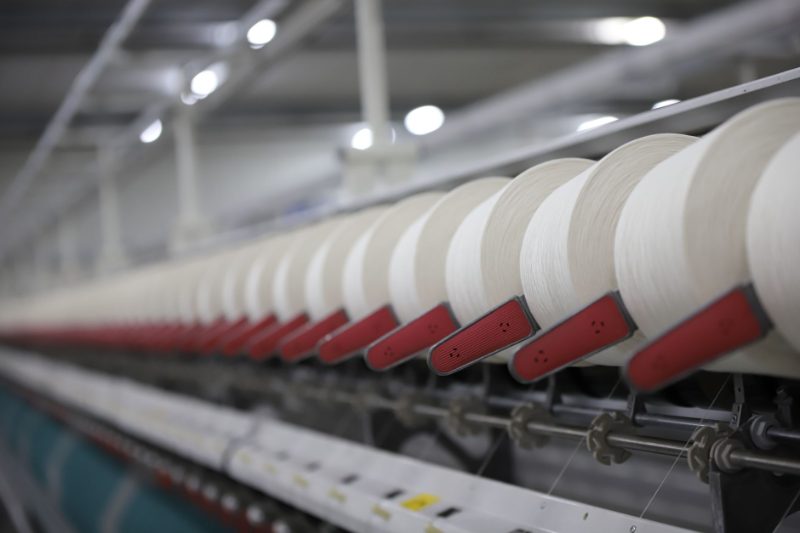
Tamil Nadu textile mills and Tiruppur-based knitwear exporters are calling for a cotton yarn export ban India measure, as domestic yarn prices have surged by Rs 95 per kg over the past year amid a widening supply gap. Industry groups estimate a domestic cotton shortfall of around 60 lakh bales, a gap they say is being worsened by large spinners allegedly influencing supply to keep prices elevated even as export orders from the US and Europe remain strong.
The demand for an export restriction adds a sharper edge to the broader cost crisis facing India’s textile sector, where raw cotton prices have already climbed roughly 24% over six months and cotton yarn prices are up close to 60% during 2026, squeezing knitwear exporters who cannot pass on higher costs to buyers under already-finalised contracts.
Why Are Tamil Nadu Mills Demanding a Cotton Yarn Export Ban?
Mill owners argue that with India’s cotton production having declined for six consecutive years, falling 2.35% in 2025-26 to 290 lakh bales, continuing to export yarn abroad while domestic knitwear and garment units face shortages and high costs is unsustainable. They contend that redirecting more yarn to the domestic market would help stabilise prices for downstream apparel manufacturers, many of whom are smaller units with limited ability to absorb further cost increases.
The allegation that large spinners are manipulating supply adds a competitive dimension to the dispute, with smaller weaving and knitting units suggesting that consolidated control over yarn stocks by bigger players has amplified price volatility beyond what raw cotton shortages alone would explain.
What Does This Mean for India’s Textile Value Chain?
A cotton yarn export ban India policy, if implemented, would directly pit yarn spinners and exporters against downstream knitwear and garment manufacturers within the same domestic industry. Spinners who currently benefit from strong export demand and high global yarn prices would see a key revenue channel restricted, while knitters and garment exporters in hubs like Tiruppur would gain easier access to domestic yarn, potentially at more stable prices.
This tension mirrors a similar and simultaneous debate over the cotton import duty waiver, where mills and exporters want cheaper imported cotton while growers resist. Together, the two demands illustrate how unevenly the cotton cost crisis is being felt across different tiers of India’s textile supply chain, from farm to yarn to finished garment.
Market Reaction and Industry Response
Tiruppur knitwear exporters have publicly voiced frustration that despite a boom in export orders from the US and EU, thin margins are being eroded by raw material cost inflation that they cannot pass through on already-contracted shipments. Yarn spinners and their representative bodies have not publicly detailed a response to the export ban proposal, though such restrictions have historically drawn strong opposition from spinning mills reliant on export revenue.
The dispute is unfolding alongside the parallel push for an extended cotton import duty waiver, with both measures aimed at easing the same underlying cost pressure but appealing to different segments of the value chain.
What Happens Next for India’s Cotton Yarn Market?
The government will need to weigh competing demands from spinners, who benefit from export access, against knitwear and garment units pushing for both a yarn export ban and an extended import duty waiver. Any decision is likely to be shaped by how the broader cotton import duty waiver debate resolves ahead of its October 31 expiry, since the two policy questions are closely linked in their impact on domestic yarn availability and pricing.
Frequently Asked Questions
Why do Tamil Nadu mills want a cotton yarn export ban?
Mills cite a roughly 60 lakh bale domestic cotton shortfall and a Rs 95/kg rise in yarn prices over the past year, arguing that restricting exports would ease domestic supply and stabilise prices for local garment makers.
How much have cotton yarn prices risen in India in 2026?
Cotton yarn prices have risen by close to 60% during 2026, compounding pressure from a roughly 24% increase in raw cotton prices over the preceding six months.
How is this related to the cotton import duty waiver debate?
Both issues stem from the same domestic cotton production shortfall; while exporters and knitters want a longer import duty waiver for cheaper cotton, some Tamil Nadu mills additionally want yarn exports restricted to keep more supply at home.











Leave a comment