

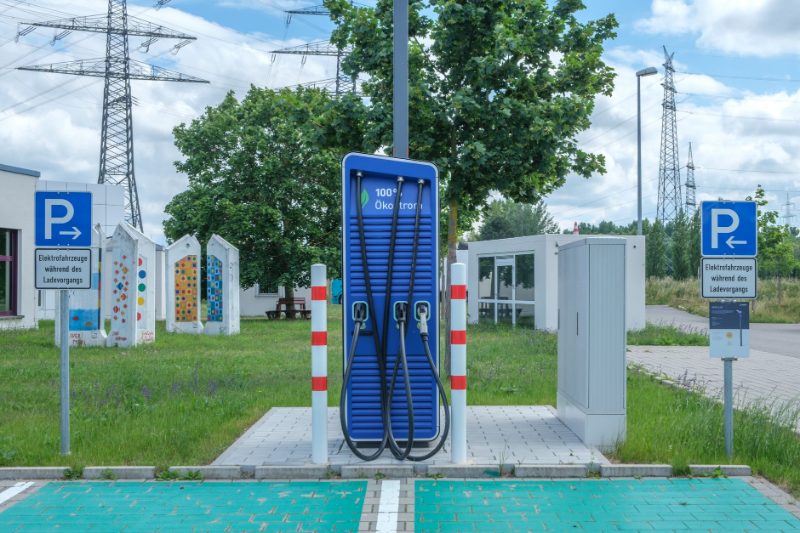
Delhi’s Electric Vehicles Policy 2026 took effect on July 1, 2026, exempting electric cars priced up to ₹30 lakh (ex-showroom) from road tax and registration fees. The Delhi EV Policy 2026 is backed by a ₹15,000 crore government outlay over four years, with roughly ₹8,000 crore earmarked for charging infrastructure and tax waivers, making it one of India’s most aggressive state-level electric mobility pushes.
Notified by the Delhi Transport Department under the Motor Vehicles Act, 1988, the policy runs in phases through March 31, 2030. Only electric autorickshaws will be registered in Delhi from January 1, 2027, and new petrol and CNG two-wheeler registrations will be phased out entirely by April 1, 2028, when only electric two-wheelers can be newly registered in the capital.
How Does the Delhi EV Policy 2026 Cut Costs for Buyers?
Under the Delhi EV Policy 2026, buyers of EVs priced at ₹30 lakh or below get full exemption on road tax and registration fees until March 31, 2030. Anyone who scraps an old vehicle and buys a new EV can additionally claim a scrappage incentive of ₹1 lakh, subject to eligibility conditions set by the Transport Department. More than 30,000 new EV charging points are planned across the city, targeting range anxiety as the biggest barrier to adoption for first-time EV buyers and small fleet operators alike.
What Do Industry Bodies and Analysts Say?
Auto industry analysts note that Delhi’s EV Policy 2026 raises the bar for other states competing to attract electric vehicle manufacturing and assembly investment, following similar incentive pushes in Maharashtra, Gujarat and Tamil Nadu. Industry bodies tracking the policy say the phased ban on new petrol and CNG two-wheeler registrations by 2028 gives manufacturers a firm demand signal to accelerate local EV component sourcing, particularly for batteries and motor controllers, rather than relying on imported EV kits.
Market and Trade Reaction
Two-wheeler and passenger EV makers with Delhi-NCT sales exposure are recalibrating launch calendars around the policy’s phased mandates. Component suppliers serving the National Capital Region are reporting increased inquiries for charging hardware tenders tied to the 30,000-point rollout. Dealers report a jump in EV enquiries for vehicles near the ₹30 lakh exemption threshold, since the road tax waiver alone can save buyers several lakh rupees on premium electric SUVs and sedans registered in Delhi.
What Happens Next?
The Delhi Transport Department is expected to notify tender details for the 30,000-charger rollout in the coming months, with implementation reviewed annually through 2030. The next major milestone is January 1, 2027, when new autorickshaw registrations in Delhi become EV-only; industry watchers should track state budget allocations for FY28 to see how the ₹15,000 crore outlay is phased across charging infrastructure, subsidies and tax waivers.
Frequently Asked Questions
Which vehicles qualify for the Delhi EV Policy 2026 road tax exemption?
Electric cars with an ex-showroom price of ₹30 lakh or less registered in Delhi qualify for full exemption on road tax and registration fees under the policy, effective through March 31, 2030.
When does Delhi stop registering new petrol and CNG two-wheelers?
New petrol and CNG two-wheeler registrations will be phased out in Delhi, with only electric two-wheelers eligible for new registration starting April 1, 2028.
How much is Delhi investing in EV infrastructure under this policy?
The Delhi government has committed around ₹15,000 crore over four years, including about ₹8,000 crore for EV charging infrastructure and road tax waivers, with a target of over 30,000 new charging points citywide.












Leave a comment