

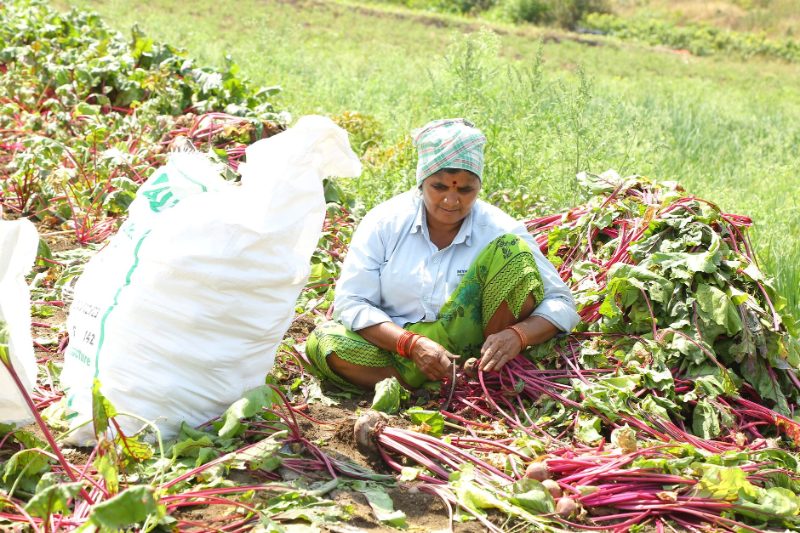
The VB-G-RAM-G Act 2025 — the Viksit Bharat-Guarantee for Rozgar and Ajeevika Mission (Gramin) — replaced MGNREGA on July 1, 2026, guaranteeing 125 days of work annually per rural household, up from 100 days under the old scheme. A mandatory interim base wage rate of ₹300 per day now applies across all administrative regions, marking roughly a 10% hike over the national average notified daily wage.
The legislation, implemented by the Ministry of Rural Development, extends the legal work guarantee first introduced under MGNREGA in 2005 while restructuring wage-setting, worklist digitisation and grievance redress. State governments must notify supplementary top-up wages where local minimum wage rates exceed the ₹300 floor, and the Centre has flagged faster fund transfer timelines to curb the payment delays that dogged the previous scheme.
How Does VB-G-RAM-G Change Rural Employment Guarantees?
Under VB-G-RAM-G, every rural household is now guaranteed 125 days of unskilled manual work a year, a 25% increase over MGNREGA’s 100-day guarantee, at a mandatory base wage of ₹300 a day. The Act also mandates that wage payments be credited within 15 days of work completion, with automatic compensation for delays, addressing a long-standing complaint from rural labour groups about payment backlogs of six weeks or more under the old regime.
What Do Economists and Labour Groups Say?
Rural development economists note that the ₹300 wage floor still trails several state minimum agricultural wages, meaning states like Kerala, Haryana and Punjab will need to fund top-ups from their own budgets to stay compliant with state minimum wage law. Labour rights groups have welcomed the extended 125-day guarantee but caution that the Act’s success depends on whether the Centre releases funds on schedule, given that MGNREGA payment delays were repeatedly flagged in CAG audits over the past decade.
Market and Trade Reaction
Rural consumption-linked sectors — two-wheelers, FMCG staples and agri-input companies — are watching the rollout closely, since a wage floor increase and longer work guarantee typically feed directly into rural discretionary spending within two to three quarters. Fertiliser and seed companies with strong rural distribution networks have flagged the scheme as a potential tailwind for kharif-season input demand in states with high MGNREGA enrolment such as Uttar Pradesh, West Bengal and Rajasthan.
What Happens Next?
State labour departments have until the end of Q2 FY27 to notify any wage top-ups above the ₹300 floor, and the Ministry of Rural Development is expected to publish the first quarterly implementation report by October 2026. Analysts will be watching fund disbursement speed in the first two quarters as the key indicator of whether the Act’s payment-delay reforms are working in practice.
Frequently Asked Questions
How many days of work does VB-G-RAM-G guarantee per household?
The VB-G-RAM-G Act guarantees 125 days of unskilled manual work annually per rural household, up from the 100-day guarantee under the MGNREGA scheme it replaced on July 1, 2026.
What is the new minimum wage under VB-G-RAM-G?
A mandatory interim base wage of ₹300 per day applies across all administrative regions under the Act, roughly a 10% increase over the previous national average notified wage rate.
Does VB-G-RAM-G fix the wage payment delays seen under MGNREGA?
The Act mandates wage credit within 15 days of work completion with automatic compensation for delays, though implementation will depend on the Centre releasing funds to states on schedule.














Leave a comment