

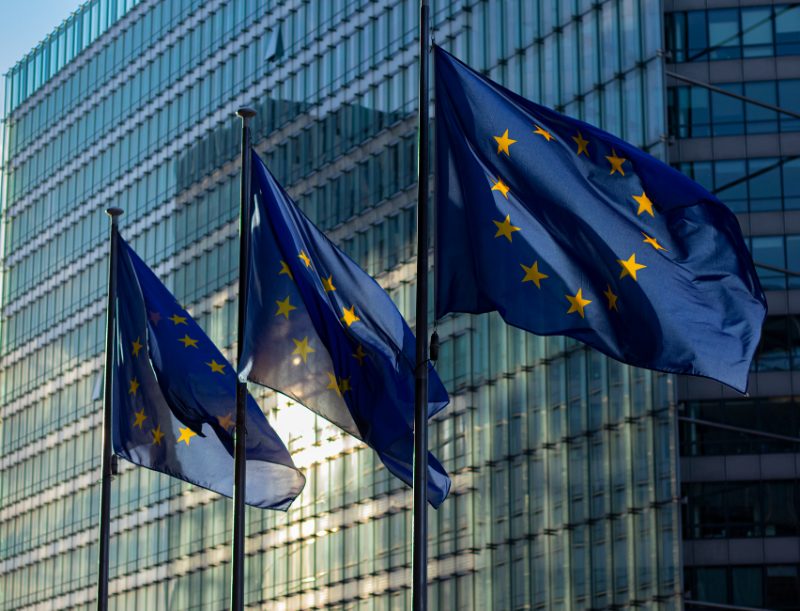
The India-European Union Free Trade Agreement’s legal scrubbing process is nearing completion, with Commerce Minister Piyush Goyal confirming the pact is on track to become operational in early 2027, months after the India-UK Free Trade Agreement took effect on July 15, 2026. The FTA, signed on January 27, 2026, is described as the largest free trade deal either side has concluded, following nearly two decades of on-and-off negotiations.
The agreement secures market access for more than 99% of Indian exports by trade value entering the EU, with exports worth an estimated $75.85 billion positioned for accelerated growth once tariffs come down, including close to $33 billion in labour-intensive sectors where duties will be eliminated at entry into force.
How Will the India-EU FTA Affect Indian Exporters?
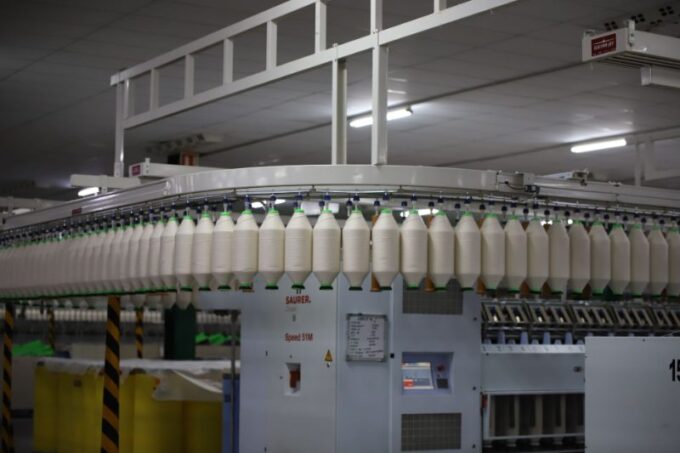
Labour-intensive sectors such as textiles, leather, gems and jewellery, and engineering goods stand to gain the most from tariff elimination, since these categories currently face EU import duties ranging from 4% to 12% that squeeze margins for Indian exporters competing against Bangladesh and Vietnam, both of which enjoy preferential EU access. Legal scrubbing, the technical process of aligning treaty text across languages and legal systems, is the final procedural step before ratification by the EU Parliament and individual member states, meaning exporters should not expect duty changes until the deal’s actual entry into force in early 2027.
What Do Industry Bodies and Officials Say?
Goyal has said the agreement has received broad political acceptance across all 27 EU member states and has generated wide support within India, with no significant dissent reported from either side, a notable contrast to the friction that has characterised India’s parallel trade talks with Washington. Export promotion councils covering textiles and engineering goods have called the FTA a hedge against volatility in India’s US-bound trade, given the additional Section 301 and reciprocal tariffs Indian goods currently face in the American market.
Market and Trade Reaction
The EU is India’s largest trading bloc partner by combined goods and services value, and confirmation of an early-2027 timeline has been read by trade analysts as a stabilising signal for exporters planning capacity expansion in FTA-benefiting sectors. European industry groups have similarly welcomed the near-final legal text, noting that EU exporters of automobiles, wines and spirits, and machinery will gain phased tariff reductions into the Indian market as a reciprocal element of the deal.
What Happens Next?
Once legal scrubbing concludes, the text moves to ratification by the European Parliament and the national or regional parliaments of EU member states, a process that can take several months given the bloc’s mixed-agreement procedures. India’s Commerce Ministry is expected to begin sector-wise exporter outreach ahead of entry into force to help businesses prepare for new rules of origin and tariff schedules under the pact.
Frequently Asked Questions
When will the India-EU FTA come into force?
Commerce Minister Piyush Goyal has said the agreement is expected to become operational in early 2027, after legal scrubbing and ratification by EU institutions and member states are completed.
How much of India’s exports to the EU will benefit from the FTA?
The agreement covers market access for more than 99% of Indian exports by trade value to the EU, including about $75.85 billion in goods, with roughly $33 billion in labour-intensive sectors gaining duty-free access.
When was the India-EU FTA signed?
The India-European Union Free Trade Agreement was signed on January 27, 2026, following talks that spanned nearly two decades between the two sides.








Leave a comment