

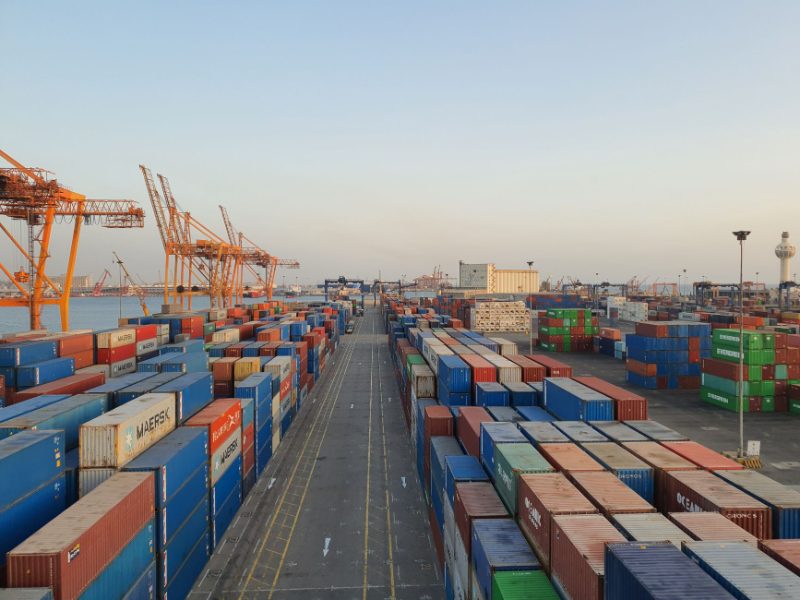
The Office of the United States Trade Representative’s final Section 301 action on forced labour took effect on July 24, 2026, imposing fresh tariffs of 10% to 12.5% on goods from 60 trading partners, including India, Canada, Mexico and the United Kingdom. The move replaces the temporary 10% baseline surcharge under Section 122 that expired the same day, and together the covered economies account for 99.4% of all US imports.
USTR said the tariffs stem from a forced-labour investigation initiated to determine whether trading partners had failed to curb imports produced using coerced labour in their own supply chains. The final rule includes exemptions covering roughly half the import value from the listed countries and additional carve-outs for goods that fall under existing US trade agreements such as USMCA and CAFTA-DR.
How Will the Section 301 Tariffs Affect Indian Exporters?
India faces a 10% duty rate under the new framework, layered on top of sector-specific tariffs already in place on categories such as textiles, gems and jewellery, and engineering goods. Exporters in labour-intensive sectors, apparel, leather and handicrafts, are most exposed since these categories carry thinner margins and compete directly with tariff-exempt or lower-tariff rivals such as Vietnam and Bangladesh in the US market. Indian trade officials have said the government continues to press for a bilateral trade agreement that would supersede these blanket duties for Indian goods specifically.
What Do Economists and Trade Bodies Say?
Trade economists have flagged that stacking a forced-labour tariff regime on top of country-specific reciprocal tariffs creates compliance complexity for exporters, who must now track multiple overlapping duty schedules for the same shipment. Industry bodies including exporter federations have urged the Commerce Ministry to expedite the bilateral trade agreement with Washington to secure exemptions similar to those already carved out for USMCA and CAFTA-DR partners, arguing that prolonged uncertainty is deterring new export orders for the upcoming festive and winter shipping season.
Market and Trade Reaction
Global supply chains reacted unevenly, with shipping and logistics firms reporting a rush to clear consignments before the July 24 deadline, followed by a slowdown as importers reassess sourcing. Currency markets showed limited immediate reaction in India, though export-oriented sectors on Indian bourses saw selective pressure on the announcement. Analysts note that with 99.4% of US imports now covered by some form of tariff, the practical effect is a broad increase in the cost base for US importers rather than a shift favouring any single alternative sourcing country.
What Happens Next?
USTR is expected to review implementation and exemption requests over the coming months, while affected governments, including India, continue seeking bilateral carve-outs. India’s ongoing trade negotiations with the US remain the key mechanism through which New Delhi could secure relief from the blanket 10% rate, with officials indicating talks are focused on finalising the first phase of a bilateral trade agreement.
Frequently Asked Questions
What is the Section 301 forced-labour tariff?
It is a US tariff action, finalised by USTR and effective July 24, 2026, imposing duties of 10% to 12.5% on goods from 60 trading partners based on a forced-labour investigation into global supply chains.
What tariff rate does India face under this action?
India faces a 10% duty rate under the Section 301 forced-labour tariff framework, in addition to any existing sector-specific US tariffs on Indian goods.
Can India avoid these tariffs through a trade deal?
India is negotiating a bilateral trade agreement with the United States that could secure exemptions similar to those given to USMCA and CAFTA-DR partners, though no such carve-out has been finalised yet.








Leave a comment