

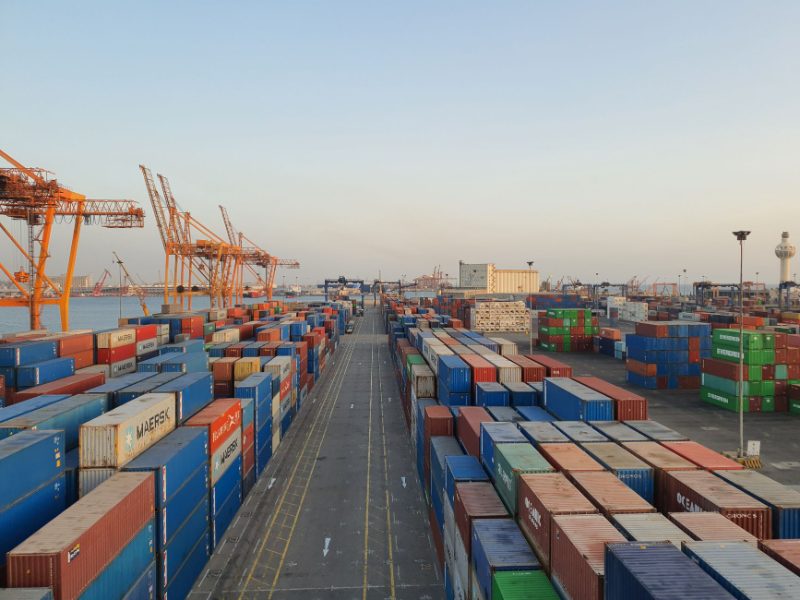
The Vizhinjam International Transshipment Seaport in Kerala has received final Customs clearance to begin export-import (EXIM) cargo operations from August 18, 2026, the Central Board of Indirect Taxes and Customs (CBIC) confirmed. The Vizhinjam seaport EXIM clearance transitions India’s newest deepwater transshipment hub into a full-scale gateway, allowing it to handle direct export and import cargo alongside its existing transshipment role.
Vizhinjam International Seaport Ltd said CBIC has formally notified the terminal as a customs port, a designation required before any Indian port can process EXIM cargo. The move is expected to significantly shorten lead times for exporters and importers across southern India, who have historically routed cargo through more distant hubs such as Colombo, Chennai or Tuticorin.
How Will EXIM Operations at Vizhinjam Work?
Import operations will initially be limited to Full Container Load (FCL) containers eligible for Direct Port Delivery, requiring cargo to move directly from the port terminal to the importer’s premises within 48 hours of landing. Export operations will similarly be restricted to Direct Port Entry of factory-stuffed, self-sealed or Customs-sealed FCL containers, with loose stuffing or in-yard examination not permitted at this stage. Road transshipment between Vizhinjam and other notified Customs stations — including Inland Container Depots, Container Freight Stations, Special Economic Zones and Land Customs Stations — will also begin, with all movements required to comply with the Sea Cargo Manifest and Transhipment Regulations, 2018.
What Do Logistics and Trade Bodies Say?
Shipping and logistics industry representatives have described the Customs notification as a milestone for Kerala’s positioning on the global shipping map, noting that Vizhinjam’s natural deepwater draft allows it to handle the largest container vessels without extensive dredging, a structural advantage over many existing Indian ports. Exporters in southern India’s textile, spice and marine products sectors are expected to be among the earliest beneficiaries of reduced transit times once direct EXIM operations scale up.
Market and Trade Reaction
Logistics and port infrastructure stocks with exposure to Kerala’s shipping corridor saw investor interest following the Customs clearance announcement, as the notification removes a key regulatory hurdle that had kept the port limited to transshipment-only activity since its inauguration. Trade bodies in the region have called for complementary road and rail connectivity upgrades to ensure the port’s capacity gains translate into faster last-mile cargo movement.
What Happens Next?
EXIM operations are scheduled to formally commence on August 18, 2026, with the port authority expected to publish detailed operational guidelines for exporters and importers ahead of that date. Industry watchers say the initial phase’s restriction to FCL and Direct Port Delivery/Entry cargo may be expanded over time as customs infrastructure and staffing at the port scale up.
Frequently Asked Questions
When do EXIM operations begin at Vizhinjam seaport?
EXIM cargo operations at Vizhinjam International Seaport are scheduled to begin on August 18, 2026, following final Customs clearance from CBIC.
What type of cargo will Vizhinjam handle initially?
Initial operations are limited to Full Container Load containers under Direct Port Delivery for imports and Direct Port Entry for exports, with loose stuffing or in-yard examination not yet permitted.
Why is this significant for southern India’s exporters?
Vizhinjam’s deepwater draft and new customs-port status are expected to shorten lead times for exporters who previously routed cargo through more distant ports like Colombo or Chennai.












Leave a comment