

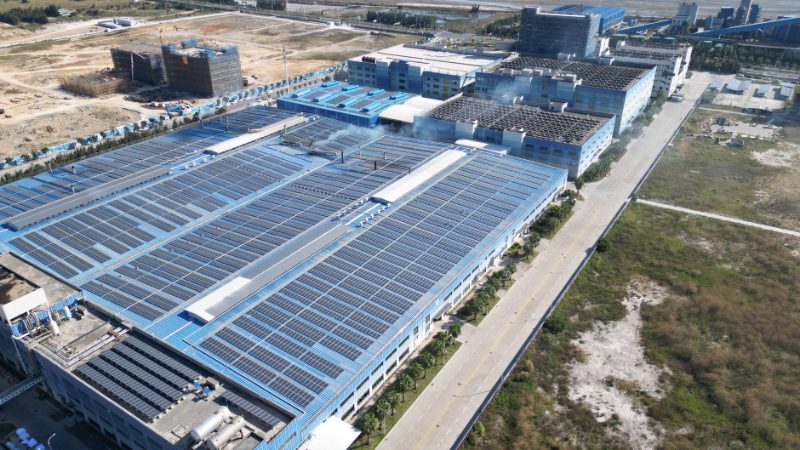
Trade tensions between the European Union and China are escalating in 2026 over what Brussels calls Chinese industrial overcapacity in electric vehicles, wind components, solar equipment and mature-node semiconductors. The EU-China trade friction stems from Europe’s fragmented political response colliding with China’s surging manufacturing output in these sectors, according to trade policy analysts tracking the dispute.
European officials argue that state-backed Chinese production in EVs, solar panels and semiconductors has created global oversupply, depressing prices and threatening European manufacturers who cannot match Chinese cost structures. The European Commission has been weighing a mix of anti-dumping duties, subsidy investigations and local-content requirements in response, building on earlier EV tariff actions.
Which Industries Are Most Affected by the EU-China Standoff?
Electric vehicles remain the most visible flashpoint, with European automakers warning that Chinese EV imports priced below European production costs threaten thousands of manufacturing jobs. Solar equipment and wind turbine components face similar pressure, as European renewable energy manufacturers struggle to compete with heavily subsidised Chinese suppliers. Mature-node semiconductors — the older, high-volume chip categories used across autos and appliances rather than cutting-edge AI processors — have emerged as a newer concern, with EU officials warning that Chinese capacity expansion could squeeze out European chipmakers in commodity chip segments.
What Do Trade Bodies and Economists Say?
Trade economists note that the EU faces a structural dilemma: its climate targets depend on cheap solar panels, EV batteries and turbine components, many of which are most affordably sourced from China, creating tension between industrial protection and decarbonisation goals. European industry associations have pushed for stronger trade defence measures, while some member states reliant on Chinese imports for green transition targets have resisted aggressive tariff action, reflecting the EU’s internal split on the issue.
Market and Trade Reaction
European auto and solar equipment stocks have shown volatility tied to expectations around EU trade defence announcements, while Chinese exporters in the affected sectors have publicly warned of retaliatory measures against European exports, including luxury goods and agricultural products, should Brussels tighten restrictions further. Global supply chains for batteries and solar components, in which India also participates as both an importer and a growing manufacturer, are being watched closely for second-order effects.
What Happens Next?
The European Commission is expected to continue its sector-by-sector review process through the remainder of 2026, with formal anti-dumping or countervailing duty decisions likely to follow individual investigations rather than a single sweeping measure. Indian manufacturers in solar and EV components are positioned to potentially benefit from diversification away from Chinese supply chains if European restrictions tighten further.
Frequently Asked Questions
What is driving EU-China trade tensions in 2026?
Tensions stem from EU concerns over Chinese industrial overcapacity in electric vehicles, solar equipment, wind components and mature-node semiconductors, which Brussels says is undercutting European manufacturers.
Which sectors face the most pressure?
Electric vehicles, solar panel manufacturing, wind turbine components and mature-node semiconductors are the primary sectors affected by the overcapacity dispute.
Could this affect India’s trade position?
Indian manufacturers in solar and EV component supply chains could see opportunities if EU restrictions on Chinese imports tighten, as European buyers look to diversify sourcing.









Leave a comment