

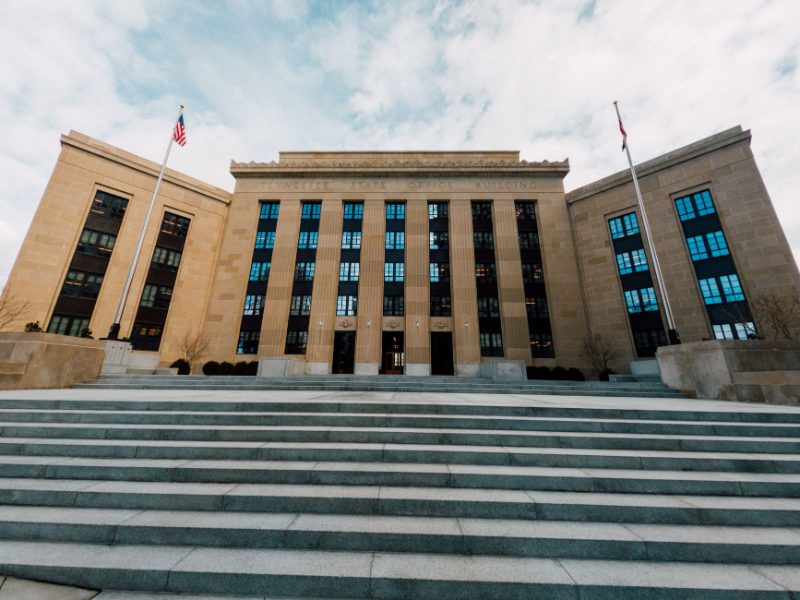
The US Federal Reserve voted 9-3 to hold its key interest rate steady in a range of 3.5% to 3.75% at its July 29, 2026 meeting, marking the fifth consecutive hold and one of the most closely contested decisions in years. The Fed interest rate decision saw three regional presidents — Beth Hammack of Cleveland, Neel Kashkari of Minneapolis and Lorie Logan of Dallas — dissent in favour of a 25 basis point hike, citing inflation that has remained above the Fed’s 2% target for more than five years.
Fed Chairman Kevin Warsh told reporters after the meeting, “I asked for a good family fight, and I got one,” acknowledging the sharp internal division. US stocks fell following the announcement, with the S&P 500 down 0.5% and the Nasdaq down 0.4%, while the 10-year Treasury yield climbed to 4.67% and the 30-year yield surged to 5.21% — its highest level in 19 years.
How Does the Fed’s Rate Hold Affect Global Markets Including India?
A steady US rate environment, combined with rising long-term Treasury yields, tends to keep global capital flows cautious toward emerging markets as investors weigh higher US bond returns against emerging-market risk. For India, a prolonged period of elevated US yields alongside the RBI’s own rate pause could keep the rupee under mild pressure, a dynamic Indian policymakers are already factoring into their own August MPC deliberations. Higher US borrowing costs also have knock-on effects for global trade financing, an area closely watched by Indian exporters navigating the current tariff environment.
What Do Fed Officials and Economists Say?
Fed officials noted in their post-meeting statement that “economic activity is expanding at a solid pace despite elevated uncertainty that owes, in part, to the conflict in the Middle East,” underscoring how geopolitical risk is now directly factoring into US monetary policy calculus. The unusually sharp three-way dissent — the most significant division at the Fed in years — has fuelled debate among economists over whether the central bank is falling behind on inflation control or appropriately balancing growth risks tied to global uncertainty.
Market and Trade Reaction
Beyond the immediate equity market decline, the surge in the 30-year Treasury yield to a 19-year high signals investor concern about longer-term inflation and fiscal risk in the US economy. Currency markets showed the dollar strengthening modestly against several emerging-market currencies following the decision, a trend that could persist if the Fed maintains its hold through subsequent meetings.
What Happens Next?
Markets will watch the Fed’s next meeting closely for signs of whether the current 9-3 split hardens into a more decisive shift toward tightening, particularly if inflation data due in the coming weeks shows further stickiness. Global central banks, including the RBI, are expected to factor the Fed’s stance into their own policy decisions given the interconnected nature of capital flows and currency stability.
Frequently Asked Questions
What did the Federal Reserve decide on interest rates in July 2026?
The Fed voted 9-3 to hold its benchmark rate steady at 3.5%-3.75% on July 29, 2026, marking its fifth consecutive pause despite three officials dissenting in favour of a hike.
Why did three Fed officials want to raise rates?
Cleveland’s Beth Hammack, Minneapolis’s Neel Kashkari and Dallas’s Lorie Logan dissented because inflation has stayed above the Fed’s 2% target for more than five years.
How could the Fed’s decision affect India?
Elevated US Treasury yields and a steady Fed rate can pressure the rupee and emerging-market capital flows, a dynamic the RBI is weighing alongside its own August rate decision.













Leave a comment