

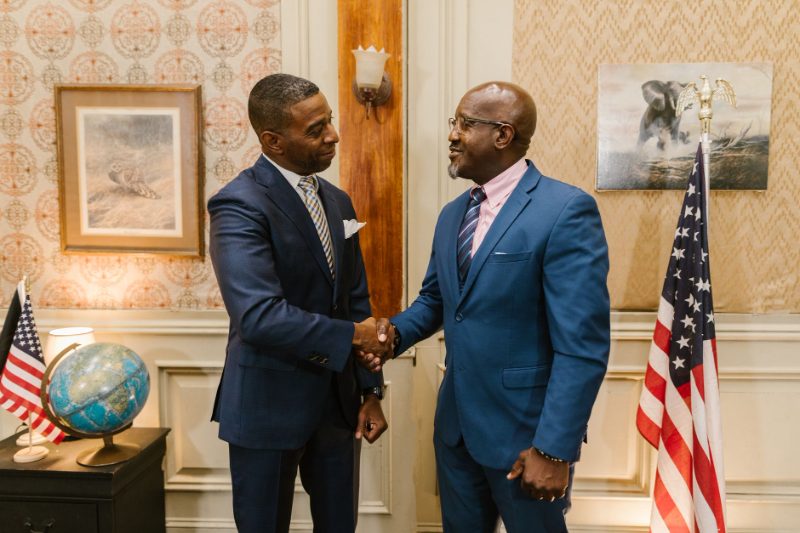
French President Emmanuel Macron hosted Lebanese President Joseph Aoun and Jordan’s King Abdullah II in Paris on September 17, 2026, for talks focused on the post-conflict reality in southern Lebanon and broader regional stability in the Middle East. The meetings underscore France’s continuing role as a diplomatic convener for Middle East issues following the withdrawal of the United Nations Interim Force in Lebanon (UNIFIL) from parts of the south.
The Paris talks come as Lebanon works to stabilise its south following years of conflict spillover, with the Lebanese state seeking to reassert authority in border areas previously patrolled by UNIFIL. Jordan’s involvement reflects its own stake in regional stability given its proximity to multiple conflict zones and its historical role as a mediator on Middle East security issues.
What Was Discussed at the Paris Meeting on Lebanon?
Discussions centred on the practical challenges of the post-UNIFIL transition in southern Lebanon, including how the Lebanese armed forces can extend effective control over the border region, reconstruction needs after years of conflict damage, and coordination with international partners on funding and security guarantees. Macron used the meetings to reaffirm French support for Lebanese state institutions, framing continued engagement as essential to preventing a security vacuum in the south.
What Do Regional Analysts Say About This Diplomatic Push?
Middle East analysts view the Paris meetings as part of a broader pattern of European and Arab states stepping up engagement on Lebanon’s stability as US attention in the region remains focused on other priorities, including the Russia sanctions debate and broader Gulf security questions. Analysts note that Jordan’s participation alongside Lebanon signals an attempt to build a wider regional consensus on southern Lebanon’s future rather than leaving the issue to bilateral Lebanon-France engagement alone.
Market and Trade Reaction
The diplomatic talks had limited direct market impact, though regional energy and shipping-linked assets remain sensitive to any signs of escalation or de-escalation in Lebanon and the wider Levant, given the region’s proximity to key Mediterranean shipping routes. Analysts tracking Middle East risk noted the meetings as a modestly stabilising signal, though they cautioned that underlying tensions in the region remain far from resolved.
What Happens Next?
France is expected to continue coordinating with Lebanese, Jordanian and other regional partners on reconstruction financing and security arrangements for southern Lebanon in the coming weeks. Diplomatic observers will be watching for any follow-up multilateral meetings or funding commitments emerging from the Paris talks, as well as how Lebanese state authority develops in the areas vacated by UNIFIL forces.
Frequently Asked Questions
Why did Macron meet with Lebanon’s and Jordan’s leaders in Paris?
Macron hosted Lebanese President Joseph Aoun and Jordan’s King Abdullah II to discuss the post-conflict transition in southern Lebanon and coordinate on regional stability following the partial withdrawal of UNIFIL peacekeeping forces.
What is the current situation in southern Lebanon?
Lebanon is working to extend state authority over border areas previously patrolled by UNIFIL, amid reconstruction needs and ongoing security concerns following years of conflict spillover in the region.
Why is Jordan involved in discussions about Lebanon?
Jordan has a long-standing role as a regional mediator on Middle East security issues, and its participation reflects an effort to build broader regional consensus on southern Lebanon’s stability beyond bilateral France-Lebanon engagement.











Leave a comment