

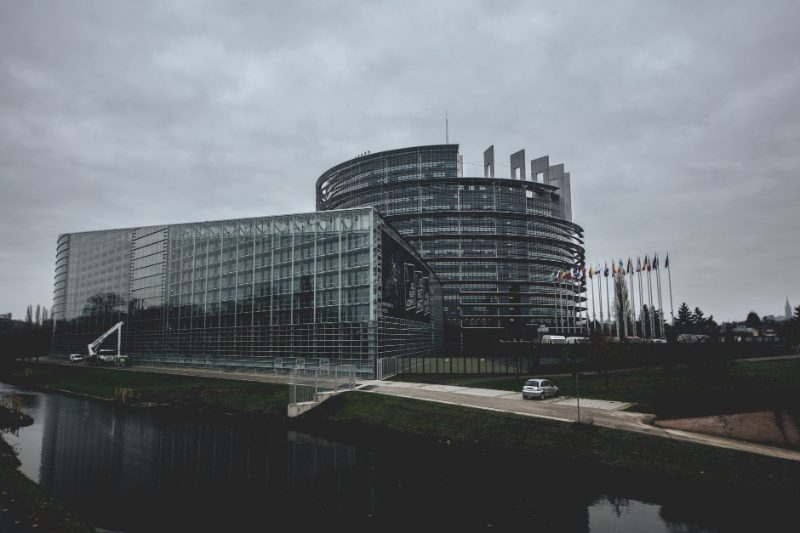
European Commission President Ursula von der Leyen delivered her 2026 State of the Union address in Strasbourg on September 17, 2026, urging the 27-member bloc to pursue a more independent economic and strategic path amid rising tensions with the United States. The address comes at a moment of heightened uncertainty in transatlantic relations, with tariff disputes and diverging positions on Russia sanctions weighing on the EU-US relationship.
Von der Leyen’s speech emphasised the need for the European Union to reduce strategic dependencies, whether in energy, critical technology or trade, and to accelerate initiatives that strengthen Europe’s own economic resilience. The address is closely watched each year as a signal of the Commission’s policy priorities for the coming twelve months, and this year’s edition landed against the backdrop of an EU still negotiating the terms of major trade agreements, including the landmark deal with India now headed to the Council for signature.
What Are the Key Priorities Von der Leyen Outlined for the EU?
The Commission President’s address centred on strategic autonomy, calling for deeper investment in European defence capacity, faster progress on the bloc’s clean energy transition, and closer coordination among member states on trade policy in the face of external pressure. Von der Leyen also addressed the state of the EU’s relationship with Washington, signalling that Europe would not simply follow US positions on tariffs or sanctions where they conflicted with European economic interests.
What Do European Leaders and Analysts Say?
Reaction across the European Parliament reflected the usual split along party lines, with centrist and pro-integration lawmakers welcoming the emphasis on strategic independence, while critics questioned whether the Commission’s ambitions on defence spending and energy transition were adequately funded. Foreign policy analysts noted that the speech’s tone reflected growing European anxiety about relying too heavily on a single trading partner, a concern reinforced by ongoing tariff disputes and the unpredictability of US trade policy under the current administration.
Market and Trade Reaction
European equity markets showed limited immediate reaction to the address itself, though sectors tied to defence and clean energy saw modest attention given the policy emphasis in the speech. The address also drew notice from Indian trade officials and exporters, given its implicit endorsement of diversifying the EU’s trade relationships at a time when the India-EU Free Trade Agreement is moving through its final approval stages.
What Happens Next?
The European Commission is expected to follow up the State of the Union address with detailed legislative proposals in the coming months on defence spending, energy security and trade diversification, translating the speech’s broad priorities into concrete policy measures. Observers will be watching how the emphasis on strategic autonomy shapes the EU’s approach to ongoing negotiations, including its trade relationship with the United States and the finalisation of the India-EU Free Trade Agreement.
Frequently Asked Questions
What did Ursula von der Leyen say in her 2026 State of the Union address?
Von der Leyen called for the European Union to pursue greater strategic and economic independence, emphasising reduced dependency on external partners, increased defence investment and accelerated clean energy transition amid tensions with the United States.
Why is the EU seeking to reduce dependence on the United States?
Rising tariff disputes and diverging positions on issues such as Russia sanctions have pushed the EU to reassess its reliance on the United States for trade and strategic cooperation, prompting calls for greater European self-sufficiency.
How does this address relate to the India-EU trade agreement?
The speech’s emphasis on diversifying EU trade relationships aligns with the ongoing progress of the India-EU Free Trade Agreement, which the European Commission has proposed for Council approval as part of efforts to broaden Europe’s trading partnerships.










Leave a comment