

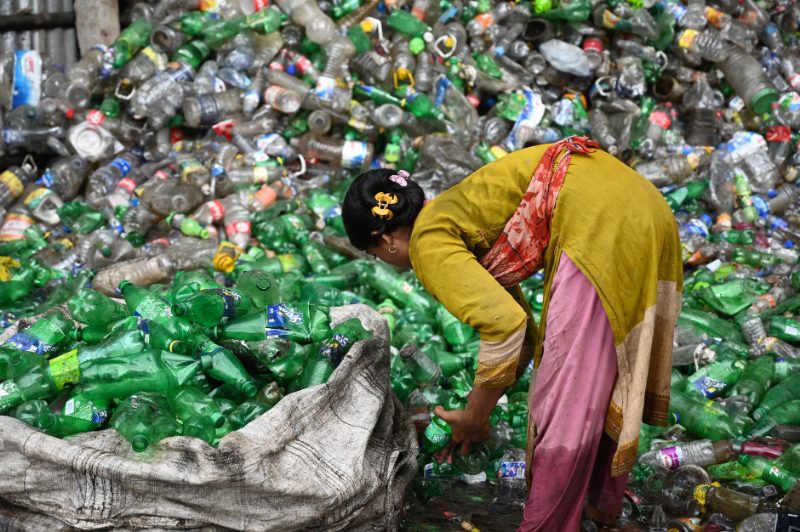
India’s amended Plastic Waste Management Rules, 2026, have eased near-term compliance pressure on packaging companies by allowing unmet Extended Producer Responsibility (EPR) recycling targets from FY 2025-26 to be carried forward for up to three years, provided at least one-third of the deficit is cleared annually starting FY 2026-27.
The amendment, which builds on EPR for Packaging Rules that became effective 1 April 2026, also makes the use of post-consumer recycled (PCR) content mandatory for brand owners, while shifting enforcement from self-reported filings toward product-level audits and factory inspections by the Central Pollution Control Board.
Why Did the Government Ease EPR Targets for Packaging Companies?
Regulators eased the immediate penalty structure after industry feedback that FY 2025-26 recycling targets were difficult to meet given limited recycling infrastructure and inconsistent post-consumer plastic collection across India. Rather than penalising brand owners, importers and e-commerce entities immediately for shortfalls, the amended rules allow a phased catch-up mechanism, while keeping long-term recycling and PCR-content obligations intact.
What Does This Mean for the Broader Packaging Industry?
Packaging manufacturers, particularly those supplying FMCG, food and pharmaceutical brands, will need to accelerate investment in recycled-content capacity to meet the new mandatory PCR thresholds, even as compliance timelines soften. Listed packaging players such as Uflex, EPL and TCPL Packaging, along with paper-based packaging companies benefiting from EPR rules for paper packaging effective the same date, are recalibrating capital spending toward recycling infrastructure and sustainable formats to stay ahead of CPCB’s stricter audit regime.
Market Reaction and Industry Response
Packaging industry bodies have broadly welcomed the phased compliance window as pragmatic, while cautioning that mandatory PCR content requirements will raise input costs in the near term until domestic recycling capacity scales up. CPCB’s shift toward product-level audits and factory inspections, rather than relying solely on self-reported EPR filings, has been flagged by compliance consultants as a signal that enforcement will tighten meaningfully from FY 2026-27 onward.
What Happens Next?
Brand owners and packaging companies must clear at least one-third of their FY 2025-26 EPR shortfall in FY 2026-27, with the remainder due over the following two years. CPCB is expected to ramp up factory-level audits through the rest of 2026, and packaging companies without adequate recycled-content sourcing will need to move quickly to secure PCR supply chains.
Frequently Asked Questions
What changed in India’s EPR rules for packaging in 2026?
The amended Plastic Waste Management Rules allow unmet FY 2025-26 EPR recycling targets to be carried forward for up to three years, provided at least one-third of the deficit is cleared each year starting FY 2026-27.
Is recycled content now mandatory for packaging in India?
Yes, the use of post-consumer recycled (PCR) content in plastic packaging has been made mandatory for brand owners as part of the government’s EPR framework.
How will the government enforce the new EPR rules?
The Central Pollution Control Board is moving beyond self-reported filings to product-level audits and factory inspections to verify packaging companies’ compliance with EPR and PCR content requirements.









Leave a comment