

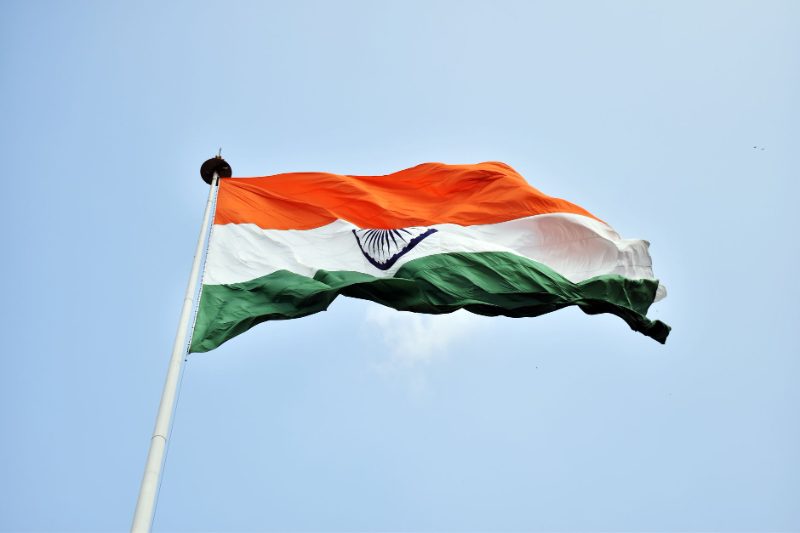
Vice President C. P. Radhakrishnan formally launched the Har Ghar Tiranga Abhiyan 2026 on August 9 by hoisting the National Flag at Flag Point, Sri Vijaya Puram in the Andaman and Nicobar Islands, kicking off a nationwide campaign that is already lifting order books at India’s flag-manufacturing and khadi MSME clusters ahead of Independence Day. The Har Ghar Tiranga Abhiyan 2026 asks every household to display the national flag, a mandate that translates directly into a seasonal demand spike for textile units producing polyester and khadi tricolours.
The Vice President chose Sri Vijaya Puram deliberately, hoisting the flag at the same site where Netaji Subhas Chandra Bose raised the Tricolour on December 30, 1943, and linking the 2026 edition of the campaign to August Kranti Diwas. Radhakrishnan said “Bharat is one and will always remain one” while addressing citizens, government officials and industry representatives at the ceremony. The campaign is coordinated by the Ministry of Culture in partnership with state governments and runs through August 15.
How Will Har Ghar Tiranga Abhiyan 2026 Boost India’s Flag-Making and Textile MSMEs?
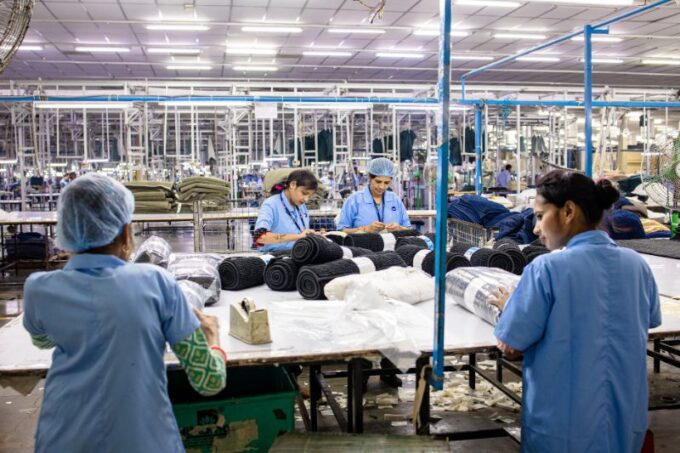
Flag manufacturing in India is concentrated among khadi cooperatives in Karnataka’s Hubballi-Dharwad belt, the only Bureau of Indian Standards-licensed producer of khadi flags, alongside hundreds of MSME units across Uttar Pradesh, Gujarat and Punjab that make machine-stitched polyester and cotton flags. Industry estimates from previous editions of Har Ghar Tiranga suggest national flag demand rises by several crore units in the run-up to August 15, with small units running extra shifts and hiring seasonal tailoring labour to meet the surge. For MSME clusters that depend on festive and patriotic-occasion demand, the 2026 campaign gives a fresh, government-backed sales window in an otherwise slow monsoon quarter for the textile trade.
What Do Industry Bodies and Officials Say?
Officials at the Andaman ceremony framed the campaign as both a unity exercise and an economic one, noting that local self-help groups and small stitching units are being roped in to supply flags for the islands’ own requirement. Textile trade bodies that track khadi and flag production have previously flagged raw material cost and quality-standard compliance, since only flags meeting BIS specification IS1 can legally be sold as the National Flag, as the two constraints that limit how quickly small manufacturers can scale up during the Har Ghar Tiranga window. Industry participants say early, coordinated government messaging this year — rather than a late-July push — gives manufacturers more lead time to plan production runs.
Market and Trade Reaction
Textile and apparel-linked MSME associations in flag-producing hubs report advance bookings from state government departments, corporate offices and resident welfare associations picking up through the first week of August. Cotton and polyester fabric traders supplying flag units have also seen incremental offtake, though the effect is highly localised to clusters equipped for flag stitching rather than the broader textile sector. Retailers selling flags alongside patriotic merchandise expect the bulk of consumer purchases to land in the final week before August 15.
What Happens Next?
The Har Ghar Tiranga Abhiyan 2026 runs nationally through Independence Day on August 15, with state governments expected to hold their own flag-hoisting and distribution events through the week. The Ministry of Culture typically reviews campaign reach and flag-distribution numbers after August 15, and MSME bodies will be watching whether procurement volumes this year match or exceed the previous edition. Flag manufacturers will also be monitoring whether any state governments announce bulk procurement tenders in the remaining days of the campaign.
Frequently Asked Questions
What is the Har Ghar Tiranga Abhiyan 2026?
It is a government campaign asking every Indian household to hoist the National Flag, launched this year by Vice President C. P. Radhakrishnan on August 9 from the Andaman and Nicobar Islands, and running through Independence Day on August 15.
Which industries benefit most from the campaign?
Flag-manufacturing MSMEs, khadi cooperatives and cotton and polyester fabric suppliers see the sharpest short-term demand increase, concentrated in clusters such as Hubballi-Dharwad in Karnataka and stitching units in Uttar Pradesh, Gujarat and Punjab.
Can any manufacturer produce and sell the National Flag?
No. Flags sold as the National Flag must comply with Bureau of Indian Standards specification IS1 covering size, colour and fabric, which limits legal production to licensed khadi and BIS-compliant manufacturers.







Leave a comment