

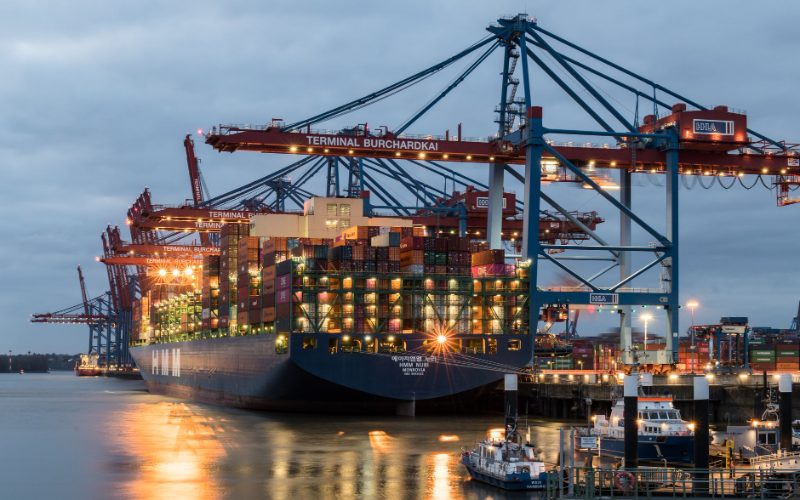
The United States has imposed sweeping new tariffs on dozens of trading partners over alleged forced-labour violations, with duties ranging between 10% and 12.5% now applying to roughly 60 countries that together account for nearly 99.4% of total US trade. The global trade tariff policy shift took effect at 12:01 a.m. ET as earlier duty exemptions expired, and a further round of tariffs on Canadian goods is set to take effect on August 19, 2026.
The expanded tariff regime builds on measures the Trump administration has layered through 2026, including 25% tariffs on most US imports from Brazil and up to 50% tariffs on a range of Canadian goods. Washington already maintains tariffs of 15% to 50% on Canadian steel, aluminium and copper, prompting Canada to apply a 25% counter-tariff on selected American steel, aluminium and vehicle imports.
How Will the New US Tariffs Affect Global Trade Flows?
With tariffs now covering close to 60 trading partners, exporters across Asia, Latin America and North America are adjusting sourcing and shipping strategies to manage the additional 10-12.5% duty layer. Analysts tracking the 2026 tariff rollout estimate the cumulative measures amount to an average tax increase of roughly $900 per US household, while the overall US trade deficit has not narrowed meaningfully despite the tariff escalation. For exporters in India and other major trading nations, the forced-labour tariff designation adds a compliance dimension on top of existing duty schedules, requiring supply-chain documentation to avoid getting caught in the broader 60-country net.
What Do Trade Economists Say About the Policy?
Trade researchers tracking the tariff escalation note that the forced-labour justification marks a shift from the reciprocal and national-security tariff rationales used earlier in 2026, opening a new legal pathway for the US to apply duties across a wider set of countries simultaneously. Organisations monitoring global trade policy changes have flagged the Canada-specific measures, effective August 19, as a signal that even close US trading partners are not exempt from the current tariff cycle. Commentators covering the trade war’s fiscal impact continue to point to the World Economic Forum’s tracking of monthly trade policy shifts as evidence that 2026 has seen an unusually high frequency of tariff actions compared with prior years.
Market and Trade Reaction
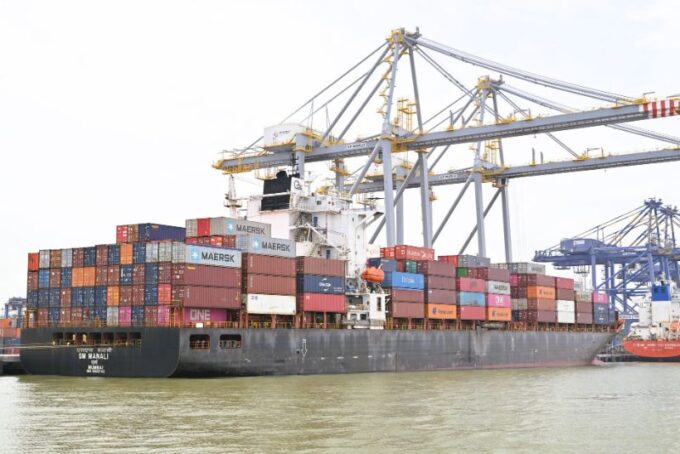
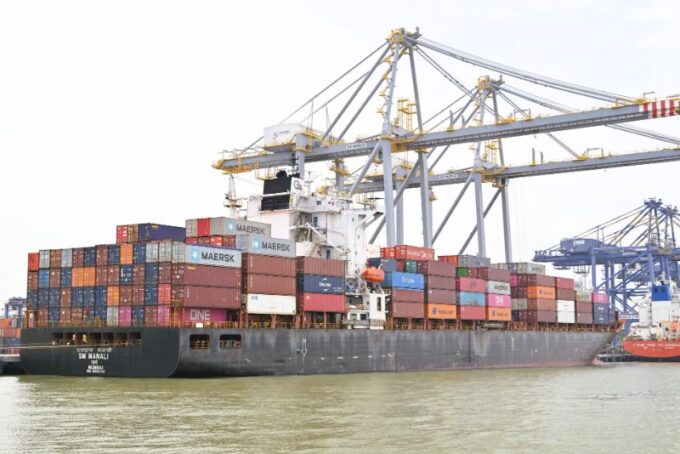
US equity markets showed renewed caution as the new tariff wave took hold, with commentary from Wall Street pointing to tariff-related uncertainty as a factor weighing on risk appetite heading into August. Currency and commodity desks are watching for retaliatory measures from the newly tariffed countries, following the pattern set by Canada’s steel and aluminium counter-tariffs. Exporters in tariff-affected countries are reported to be diversifying shipment routes and destination ports to manage the cost impact, a trend already visible in India’s ocean freight patterns this year.
What Happens Next?
The Canada-specific tariff measures take effect August 19, 2026, giving affected exporters roughly a week to adjust before the higher duties apply. Trade watchers will be monitoring whether other countries covered by the forced-labour tariff designation negotiate carve-outs or respond with counter-tariffs of their own, as Canada has done. Any further expansion of the tariff list, or a negotiated rollback, would likely be announced through the US Trade Representative’s office in the weeks following the August 19 deadline.
Frequently Asked Questions
Which countries are affected by the new US tariffs?
The new duties, ranging from 10% to 12.5%, apply to roughly 60 trading partners that collectively account for about 99.4% of total US trade, following the expiry of earlier duty exemptions.
Why is the US citing forced labour as the basis for these tariffs?
The Trump administration has applied a forced-labour violation rationale to justify the latest round of duties, a shift from the reciprocal and national-security justifications used for earlier 2026 tariff actions.
When do the new tariffs on Canada take effect?
Additional US tariffs on Canadian products are scheduled to take effect on August 19, 2026, adding to existing duties of 15% to 50% already in place on Canadian steel, aluminium and copper.








Leave a comment