

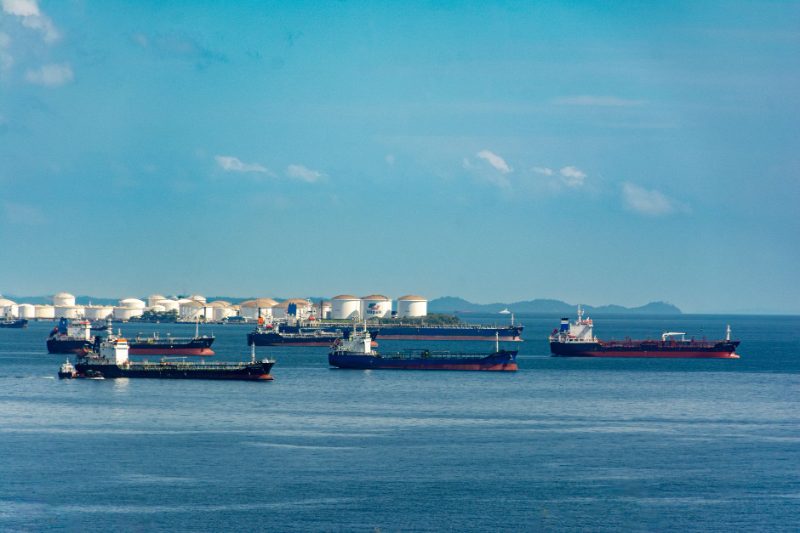
Oil prices climbed more than 1% on Monday, August 10, 2026, after Iran issued a fresh set of demands to Washington that must be met before the Strait of Hormuz fully reopens to normal shipping traffic. Iran’s Supreme National Security Council said the United States must lift its blockade of Iranian ports, withdraw military forces from the region, drop sanctions, unfreeze Iranian assets and pay damages for the recent conflict before the critical waterway returns to unrestricted use.
Brent crude, the international benchmark, rose more than 1% as Tehran’s insistence that the strait will not reopen without major US concessions stoked market anxiety. The demands follow a period in which periodic Iranian attacks on shipping and retaliatory US strikes have disrupted Strait of Hormuz traffic for most of the past five months, including an incident days earlier in which Iran targeted a vessel owned by the Abu Dhabi National Oil Company despite ongoing talks with Oman over managing the waterway.
How Are the Strait of Hormuz Demands Affecting Global Oil Markets?
The Strait of Hormuz carries a significant share of the world’s seaborne crude oil and LNG shipments, and the latest list of Iranian conditions signals that a full reopening is not imminent, keeping a geopolitical risk premium embedded in oil prices. Iranian Foreign Minister Abbas Araghchi said talks with Oman were “approaching the final stages” but cautioned this was not a sign the strait would reopen soon, leaving energy traders to price in continued disruption risk. For oil-importing economies such as India, sustained elevated crude prices tied to the standoff carry direct implications for import bills, inflation and current account dynamics.
What Do Regional and Market Analysts Say?
Analysts covering the West Asia standoff note that Iran’s demand list — including a full US troop withdrawal from the region and war-damage compensation — is considered highly unlikely to be met by Washington in the near term, suggesting the Strait of Hormuz disruption could persist well beyond current market expectations. The targeting of an Abu Dhabi National Oil Company vessel days before the latest demands underscores that shipping risk in the strait remains active even as diplomatic talks with Oman continue in parallel, a combination analysts say complicates any near-term de-escalation.
Market and Trade Reaction
Beyond the more-than-1% rise in Brent crude, the standoff is being felt across shipping and trade-sensitive markets, with vessel operators continuing to reroute or reassess transit plans through the strait given the risk of further attacks. Equity markets in oil-importing countries, including India, have shown sensitivity to the crude price moves tied to the standoff, with rate-sensitive and import-heavy sectors most exposed to sustained high oil prices. Currency and bond markets in major oil-importing economies are also watching the situation closely, given the direct link between crude prices and inflation trajectories.
What Happens Next?
The next milestone to watch is the outcome of Oman-mediated talks between Iran and the United States, which Iranian officials describe as nearing their final stages even as Tehran maintains its list of conditions. Markets will be watching for any further incidents involving vessels transiting the strait, as well as any formal US response to Iran’s demands, both of which could sharply move oil prices in either direction in the days ahead.
Frequently Asked Questions
Why are oil prices rising because of the Strait of Hormuz standoff?
Brent crude rose more than 1% after Iran set new conditions for reopening the Strait of Hormuz, including a US withdrawal of forces and lifting of sanctions, signalling that shipping disruption through the critical waterway is likely to continue.
What are Iran’s demands for reopening the Strait of Hormuz?
Iran’s Supreme National Security Council says the US must lift its blockade of Iranian ports, withdraw military forces from the region, drop sanctions, unfreeze Iranian assets and pay war damages before the strait fully reopens.
How does the Strait of Hormuz standoff affect India?
As a major oil-importing economy, India is exposed to sustained elevated crude prices tied to the standoff, which can affect the country’s import bill, inflation outlook and current account balance.










Leave a comment