

JK Tyre & Industries reported a 73 percent decline in consolidated net profit to Rs 44.09 crore for the quarter ended June 30, 2026, down from Rs 163.35 crore a year earlier, as higher raw material costs tied to the West Asia crisis squeezed margins. Consolidated revenue rose 2 percent year-on-year to about Rs 3,956 crore, with shares falling nearly 6 percent following the announcement.
The results, released on August 7, 2026, showed consolidated EBITDA at Rs 268 crore, translating into an EBITDA margin of 6.8 percent, well below prior-year levels. Despite the profit hit, JK Tyre reported strong underlying demand, with domestic volumes up 25 percent year-on-year, split between 12 percent growth in the replacement market and a sharp 42 percent jump in original equipment (OE) sales to automakers.
Why Did JK Tyre’s Profit Fall Despite Strong Volume Growth?
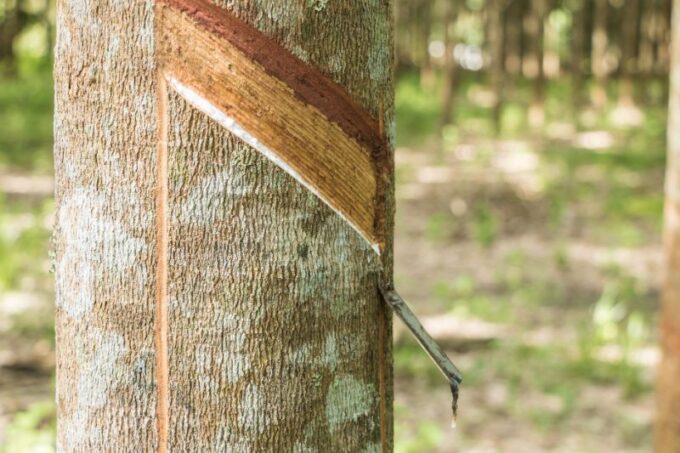
The disconnect between JK Tyre’s 25 percent domestic volume growth and its 73 percent profit decline points squarely at raw material and cost pressures rather than weak demand. The company cited higher input costs linked to the West Asia crisis, which has driven up crude oil-linked raw material prices and disrupted supply chains for synthetic rubber and other tyre-making inputs. Natural rubber costs also rose through the quarter, with Kerala RSS4 prices climbing roughly 11 percent quarter-on-quarter, adding further pressure on a cost base already strained by geopolitical disruption.
What Does This Mean for India’s Tyre Industry?
JK Tyre’s results mirror a broader pattern this earnings season: CEAT reported a 96.4 percent profit collapse to Rs 4 crore on similar cost pressures, even as its revenue grew 22.4 percent. Only Apollo Tyres bucked the trend, posting a multifold profit jump to Rs 348.87 crore, helped by a weak year-ago base and better cost management. The pattern suggests Indian tyre makers are absorbing significant margin pressure from global raw material and currency volatility even as domestic replacement and OE demand remains genuinely strong.
Market Reaction and Industry Response
JK Tyre shares fell close to 6 percent on the results day as investors focused on the sharp profit miss over the strong volume numbers. Analysts tracking the sector have flagged that margin recovery will depend on how quickly raw material costs stabilise and whether tyre makers can pass on cost increases to OEM and replacement market customers without denting the volume momentum seen this quarter.
What Happens Next?
JK Tyre’s management will need to demonstrate a path back to margin recovery in Q2 FY27, particularly if West Asia-linked cost pressures persist. With OE volumes up 42 percent, the company’s relationships with automakers remain a bright spot, but sustaining profitability will require either raw material cost relief or successful price increases across its replacement tyre portfolio in the coming quarters.
Frequently Asked Questions
What were JK Tyre’s Q1 FY27 results?
JK Tyre reported consolidated net profit of Rs 44.09 crore, down 73 percent year-on-year, on revenue of about Rs 3,956 crore, up 2 percent, for the quarter ended June 30, 2026.
Why did JK Tyre’s profit fall despite strong sales volumes?
Higher raw material costs linked to the West Asia crisis and rising natural rubber prices squeezed margins even as domestic volumes grew 25 percent year-on-year across replacement and original equipment segments.
How does JK Tyre’s performance compare with other Indian tyre makers this quarter?
JK Tyre’s 73 percent profit decline is similar in direction to CEAT’s 96.4 percent drop, both driven by cost pressures, while Apollo Tyres was the outlier, reporting a multifold profit increase in the same quarter.







Leave a comment