

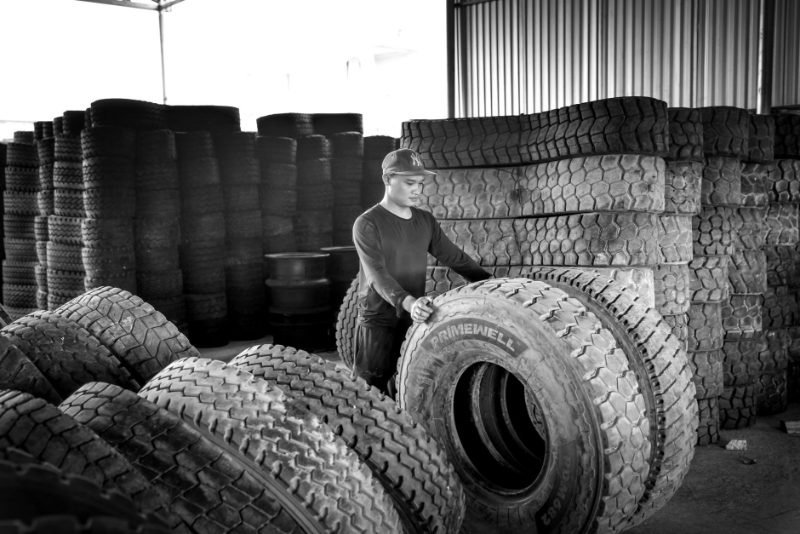
Apollo Tyres reported a dramatic turnaround in Q1 FY27, with consolidated net profit surging to Rs 348.87 crore for the quarter ended June 2026, up from just Rs 12.88 crore in the same period last year — a jump of more than 26 times. Revenue from operations grew 12.8% year-on-year to Rs 7,397.79 crore, according to results discussed on an investor call on August 7, 2026.
Profit before exceptional items and tax rose a more modest 8.71% to Rs 444.16 crore from Rs 408.56 crore a year earlier, indicating the headline profit jump was amplified by a weak year-ago base and lower exceptional charges. Capacity utilisation remained strong at 91% in India and 94% in Europe during the quarter.
What Drove Apollo Tyres’ Q1 FY27 Turnaround?
Growth was broad-based across regions. Revenue from the Asia Pacific, Middle East and Africa (APMEA) segment, which includes India, rose 14.49% to Rs 5,528.75 crore, while European revenue increased 10.30% to Rs 2,038.58 crore. High capacity utilisation in both key markets suggests replacement and original equipment tyre demand held up well despite input cost pressures affecting the broader rubber and tyre industry this quarter.
What Does This Mean for India’s Tyre Industry?
Apollo Tyres’ strong quarter stands in sharp contrast to peers grappling with margin pressure. Rival CEAT reported a 96% collapse in Q1 FY27 net profit to just Rs 4 crore, hit by forex losses on Sri Lankan rupee-denominated debt and commodity inflation linked to geopolitical tension in West Asia, even as CEAT’s revenue grew 22%. MRF, the market leader, saw profit dip 1.3% to Rs 495 crore despite 10% revenue growth, as elevated raw material costs squeezed margins.
Market Reaction and Industry Response
Apollo Tyres’ results suggest the company managed input cost volatility — including natural rubber prices that are up over 30% year-on-year — better than several domestic peers this quarter, aided by its diversified geographic footprint across India and Europe. Analysts are likely to scrutinise whether the profit jump reflects sustainable operational improvement or one-off base effects, given the smaller rise in pre-exceptional profit compared with the headline net profit figure.
What Happens Next for Apollo Tyres?
The company will look to sustain capacity utilisation levels through the second half of the fiscal year as replacement demand typically firms up post-monsoon. Natural rubber price trends — driven by Southeast Asian tapping seasons and potential weather-related supply disruptions — will remain a key variable for margins across the tyre sector, alongside currency movements affecting Apollo’s overseas operations.
Frequently Asked Questions
How much did Apollo Tyres’ profit grow in Q1 FY27?
Apollo Tyres’ consolidated net profit rose to Rs 348.87 crore in Q1 FY27, up from Rs 12.88 crore a year earlier — an increase of more than 26 times — on revenue growth of 12.8% to Rs 7,397.79 crore.
Why did Apollo Tyres perform better than CEAT and MRF this quarter?
Apollo Tyres benefited from strong capacity utilisation (91% in India, 94% in Europe) and balanced growth across its APMEA and European segments, while CEAT was hit by forex losses and West Asia-linked commodity inflation, and MRF faced margin pressure from elevated raw material costs.
What caused CEAT’s profit to fall 96% in the same quarter?
CEAT’s Q1 FY27 profit fell to Rs 4 crore mainly due to nearly Rs 50 crore in forex losses from Sri Lankan rupee depreciation on dollar-denominated debt, plus commodity inflation triggered by geopolitical tension in West Asia, despite 22% revenue growth.












Leave a comment