

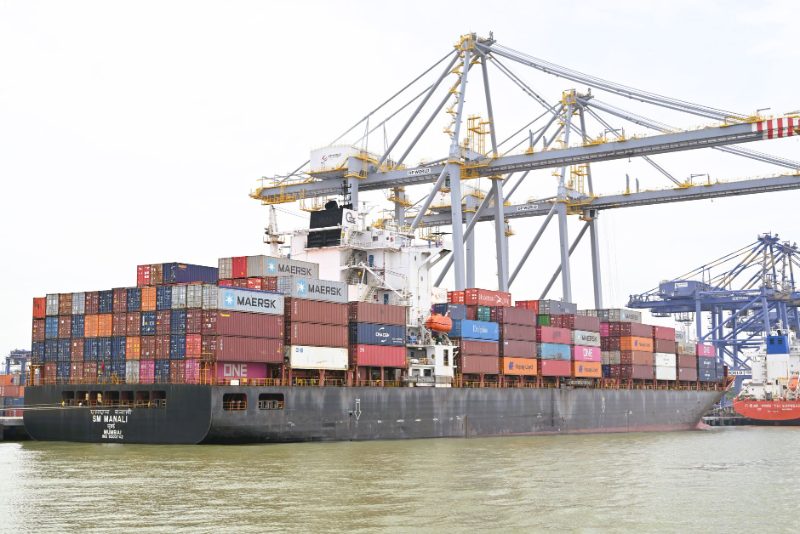
BRICS leaders adopted a new Logistic Supply Chain Cooperation Framework at the 18th BRICS Summit in New Delhi on September 13, 2026, aimed at making member-country trade routes “more reliable and resilient.” The BRICS supply chain framework trade agreement comes as the bloc, which now accounts for roughly 25% of world goods exports, seeks to reduce exposure to shipping disruptions, tariff shocks and single-corridor dependency that have repeatedly hit global trade in recent years.
Announced by Prime Minister Narendra Modi during the summit’s open session at Bharat Mandapam, the framework sits alongside the BRICS Startup Innovation Fund and Digital Agriculture Network as part of more than 150 practical outcomes delivered under India’s 2026 BRICS chairship. The New Delhi Declaration adopted the same day formally endorsed the framework as part of a wider push to deepen trade, investment and connectivity cooperation across the 11-member grouping.
What Does the Supply Chain Framework Actually Cover?
The framework is designed to improve coordination on logistics corridors, port and customs cooperation, and information-sharing between BRICS trading partners, reducing the friction that adds cost and delay to cross-border shipments. For India, which handled goods exports of USD 44.24 billion in July 2026 alone, smoother logistics coordination with fellow BRICS members could lower transaction costs for exporters shipping to Russia, China, Brazil, South Africa and newer members such as the UAE and Egypt.
How Does This Fit India’s Wider Trade Strategy?
The pact complements India’s separate push to diversify export markets, including a newly launched trade portal connecting Indian exporters with US buyers as part of a target to reach USD 500 billion in bilateral trade. Trade officials say a resilient BRICS logistics framework gives Indian exporters an additional corridor option if tariff actions or shipping disruptions affect trade with Western partners, without requiring India to choose between blocs.
Market and Trade Reaction
Logistics and freight-forwarding industry bodies in India welcomed the framework, noting that port congestion and inconsistent customs procedures across BRICS markets have long been a bottleneck for exporters. Some industry voices cautioned that the framework’s success will depend on implementation detail, including whether it leads to standardised customs documentation or remains a high-level statement of intent.
What Happens Next?
Working-level talks between BRICS trade and logistics ministries are expected to begin in the coming months to translate the framework into specific corridor agreements and customs protocols. Indian exporters and freight bodies will be watching for any timeline on pilot projects, particularly on routes connecting Indian ports with Russia’s Far East and BRICS partners in Africa and the Gulf.
Frequently Asked Questions
What is the BRICS Logistic Supply Chain Cooperation Framework?
It is a trade cooperation pact adopted at the September 13, 2026 BRICS Summit in New Delhi, aimed at making supply chains across BRICS member countries more reliable and resilient through better logistics and customs coordination.
How does this affect Indian exporters?
It could lower shipping and customs friction for Indian goods moving to fellow BRICS markets, adding an alternative trade corridor alongside India’s separate efforts to grow exports to the US and EU.
When will the framework be implemented?
Implementation details are expected to be worked out by BRICS trade and logistics ministries in the coming months following the framework’s adoption at the New Delhi Summit.












Leave a comment