

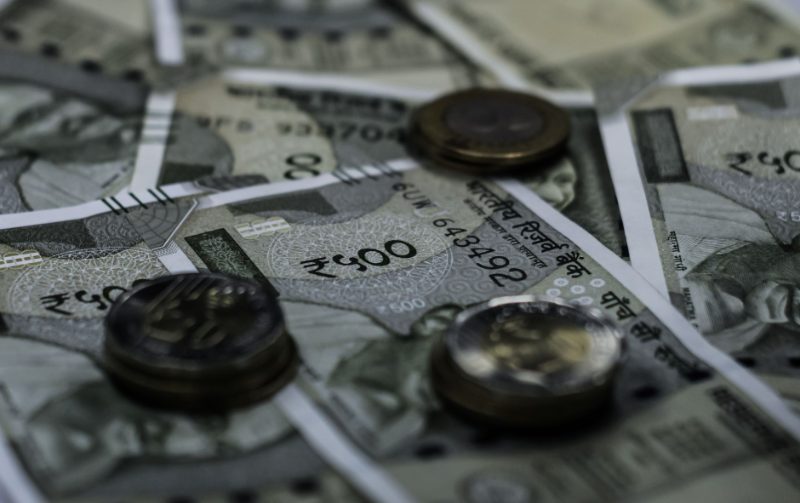
BRICS finance officials advanced plans for BRICS Pay and expanded local-currency trade settlement during the New Delhi Summit on September 13, 2026, with India, China and Russia confirming the cross-border payment system is set to roll out soon. The BRICS Pay local currency finance push is central to the bloc’s Delhi Declaration, which backs greater use of national currencies for trade settlement and deeper local-currency lending through the New Development Bank (NDB).
Russia’s Foreign Minister described the goal as building a neutral cross-border settlement system, explicitly not a stablecoin and not controlled by any single member, while BRICS members work on interoperability between central bank digital currencies and local payment rails. The NDB, headquartered in Shanghai with India among its founding shareholders, already has roughly 25% of its lending portfolio denominated in local currencies of BRICS countries, a share projected to rise to 30% in 2026.
How Would BRICS Pay Work for Indian Businesses?
BRICS Pay is intended to let exporters and importers settle trade in rupees, roubles, yuan and other member currencies rather than routing transactions through the US dollar, potentially cutting currency-conversion costs and reducing exposure to dollar-funding shocks. For Indian businesses trading with Russia in particular, where sanctions have complicated dollar-denominated payments, a functioning local-currency settlement channel could simplify transactions that have relied on workaround mechanisms since 2022.
What Does This Mean for the New Development Bank’s Role in India?
The declaration calls on the NDB to mobilise more resources, diversify funding sources and expand local-currency financing for infrastructure and development projects across member states. With roughly a quarter of its book already in local currencies, the bank is positioned to fund more rupee-denominated projects in India, potentially reducing the foreign-exchange risk Indian borrowers currently face when tapping dollar-denominated multilateral financing.
Market and Trade Reaction
Currency analysts have cautioned that BRICS Pay remains at an early, largely declarative stage, and that building genuine interoperability between differing national payment systems and CBDCs is technically complex and will take years, not months. Even so, Indian trade bodies dealing with sanctioned or dollar-constrained markets welcomed the direction of travel, noting incremental progress on local-currency settlement could ease existing payment bottlenecks well before a fully operational BRICS Pay system exists.
What Happens Next?
BRICS central banks and finance ministries are expected to continue technical work on payment-system interoperability in the months following the summit, with progress likely to be reported at subsequent BRICS finance track meetings. The NDB’s target of 30% local-currency lending in 2026 will be a key metric to watch, alongside any pilot local-currency trade settlement corridors between India and fellow BRICS members.
Frequently Asked Questions
What is BRICS Pay?
BRICS Pay is a proposed cross-border payment system being developed by BRICS members, including India, China and Russia, intended to enable trade settlement in local currencies rather than the US dollar.
How much of NDB lending is now in local currencies?
Approximately 25% of the New Development Bank’s lending portfolio is currently denominated in the local currencies of BRICS member countries, a share expected to rise to 30% in 2026.
Will BRICS Pay replace the US dollar in Indian trade?
Officials have described BRICS Pay as a neutral settlement option rather than an attempt to replace the dollar outright, with analysts expecting gradual, partial adoption rather than a wholesale currency shift.












Leave a comment