

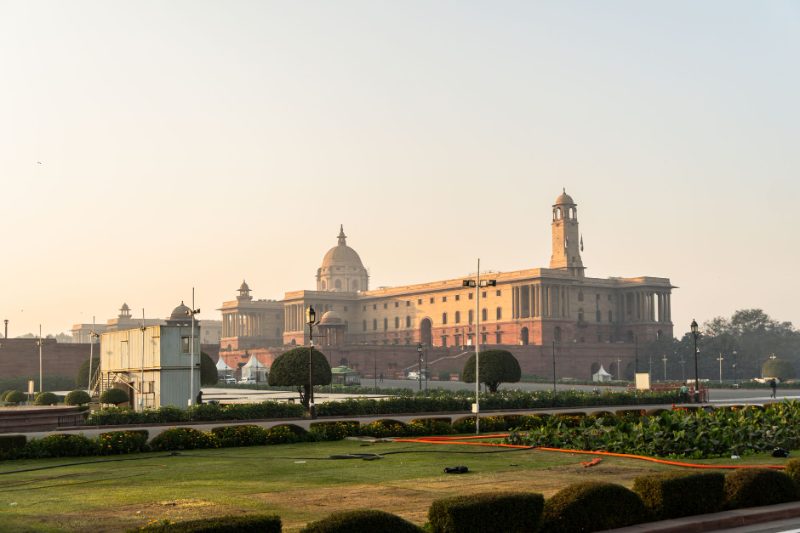
The 18th BRICS Summit concluded in New Delhi on September 14, 2026, after two days of talks hosted by India under its 2026 BRICS chairship. Prime Minister Narendra Modi warned that rising geopolitical tensions, supply chain disruptions and climate crises are increasingly affecting people worldwide, calling for strengthened cooperation and support for the Global South as leaders and delegations departed the capital.
Addressing the summit at Bharat Mandapam, Modi cautioned that the “weaponization of technology and critical minerals” could hinder global development and shared prosperity, a theme that ran through the closed-door plenary sessions on September 12. Leaders from the now 11-member bloc — expanded from its founding members Brazil, Russia, India and China — adopted the New Delhi Declaration by consensus, covering global governance reform, economic cooperation and major international and regional developments.
What Were the Key Outcomes of the BRICS Summit?
Beyond the headline New Delhi Declaration, the summit produced agreements on an integrated early warning system for infectious diseases, logistics and supply chain cooperation, a startup innovation fund and a digital agriculture network. Member states also discussed reform of global governance and multilateral institutions, positioning BRICS — which now represents about half the world’s population and a significant share of global economic output — as a counterweight to Western-led institutions on issues ranging from trade to technology governance.
What Do Analysts Say About India’s Hosting Role?
Foreign policy analysts note that India used its chairship to balance competing pressures from China, Russia and the West, continuing New Delhi’s long-standing strategy of engaging simultaneously with the Quad and with BRICS partners rather than aligning fully with either bloc. Separately, India’s decision to resume high-level boundary talks with China in the weeks before the summit was seen as part of a broader diplomatic effort to stabilise regional relationships ahead of hosting a summit of this scale.
International and Market Reaction
Financial markets showed limited direct reaction to the summit’s conclusion, with currency and equity moves during the period driven more by oil prices and US Treasury yields than by BRICS declarations. Diplomatically, the summit drew attention from Western capitals watching for signs of a more coordinated de-dollarisation push, though the declaration’s relatively cautious language on payment systems was read as limiting near-term disruption to dollar-based trade.
What Happens Next?
Implementation of the New Delhi Declaration’s various initiatives will now shift to working-level ministerial meetings over the coming months, with the BRICS chairship passing to another member country ahead of the next annual summit. Trade and foreign policy watchers will track how much of the declaration’s language, particularly on supply chains and payment systems, translates into concrete bilateral or plurilateral agreements.
Frequently Asked Questions
When and where was the 18th BRICS Summit held?
The summit was held on September 12-13, 2026, at Bharat Mandapam in New Delhi, India, under India’s 2026 BRICS chairship, concluding as delegations departed on September 14.
What did PM Modi warn about at the summit?
Modi warned that geopolitical tensions, supply chain shocks and the weaponization of technology and critical minerals threaten global stability and shared prosperity.
How many countries are now part of BRICS?
BRICS has expanded from its four founding members — Brazil, Russia, India and China — to 11 members, representing roughly half the world’s population.













Leave a comment