

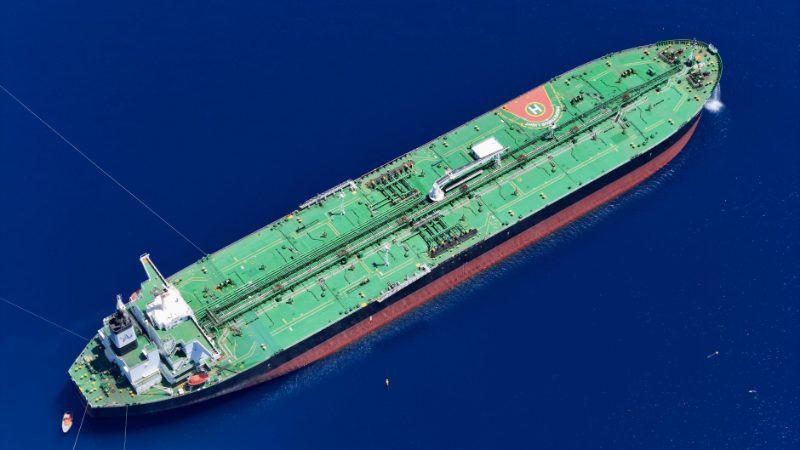
BRICS nations used the New Delhi Summit to jointly call for “restraint” in the Middle East, stressing the need to maintain the smooth flow of global trade, supply chains and energy amid escalating Iran-US tensions. The call, part of the broader New Delhi Declaration adopted on September 12, 2026, comes as Brent crude has stayed above $100 a barrel, with markets pricing in the risk of prolonged supply disruption from the region.
The joint position reflects shared economic exposure among BRICS members to Middle East stability, given that India, China and other members rely heavily on the region for crude oil imports, while Russia’s own energy exports are affected by shifts in global oil pricing dynamics. Leaders framed continued escalation as a direct threat to global trade flows and energy security rather than purely a regional political concern.
Why Does Middle East Stability Matter So Much to BRICS Economies?
India imports the vast majority of its crude oil requirements, with the current Iran-US standoff and elevated Brent prices already showing up in a weaker rupee and higher import costs. China, the world’s largest crude importer, faces similar exposure, while shipping routes through the region, including chokepoints used for global container and tanker traffic, remain vulnerable to disruption if tensions escalate further. For BRICS as a bloc, a prolonged Middle East crisis threatens to undercut the very supply-chain resilience goals emphasised elsewhere in the New Delhi Declaration.
What Do Foreign Policy Analysts Say?
Analysts note that BRICS’s call for restraint carries limited direct leverage over the Iran-US standoff, given that the bloc does not include either party as a full member, but see it as a signal that major emerging economies want to avoid being drawn into a Western-led response that could further destabilise energy markets. The joint position also underscores India’s balancing act, maintaining energy and trade ties with both Russia and Gulf states while avoiding direct alignment with any single bloc’s position on the Iran-US tensions.
Market and Trade Reaction
Elevated Brent crude prices have already fed through to Indian markets via a weaker rupee and higher input costs for oil marketing companies and import-heavy manufacturers. Shipping and logistics firms operating in the region are monitoring the situation closely, with any further escalation expected to raise freight insurance costs and could disrupt established trade routes between Asia, the Middle East and Europe.
What Happens Next?
Markets and BRICS governments will continue watching for signs of de-escalation or further escalation between Iran and the US, which will directly determine the trajectory of oil prices and associated pressure on import-dependent currencies like the rupee. Foreign ministries across BRICS members are expected to maintain diplomatic engagement with both Iran and Gulf states in the coming weeks to protect trade and energy interests tied to the region.
Frequently Asked Questions
What did BRICS say about the Middle East?
BRICS leaders called for restraint amid Iran-US tensions and stressed the need to maintain smooth global trade, supply chains and energy flows through the region.
How are Middle East tensions affecting India?
Elevated Brent crude prices above $100 a barrel, driven partly by Iran-US tensions, have contributed to a weaker rupee and higher import costs for India.
Why does BRICS care about Iran-US tensions?
Most BRICS members, including India and China, rely heavily on Middle East energy supplies and shipping routes, making regional stability directly relevant to their trade and energy security.













Leave a comment