

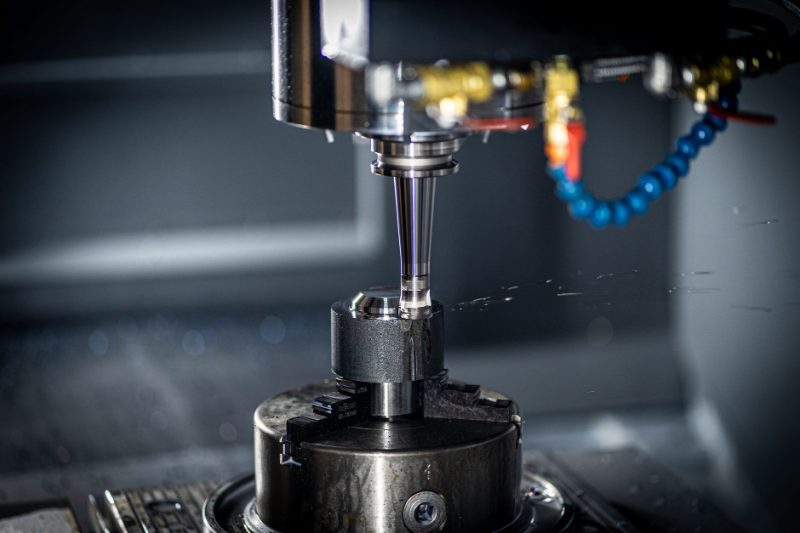
Parason Machinery, a domestic paper machinery manufacturer, is stepping up efforts to minimise India’s dependence on imported paper machines, positioning itself as a key supplier for mills looking to expand or upgrade capacity without relying on foreign equipment. The push comes as India’s paper industry faces structural pressure from rising imports and shifting demand toward packaging-grade paper.
India’s paper mills currently import a significant volume of specialised machinery for producing higher-grade writing, printing, and packaging paper, a dependence that raises capital costs and lengthens project timelines for domestic producers. Parason’s expanded manufacturing push aims to offer Indian mills locally built alternatives that can be installed faster and serviced without the delays typical of imported equipment.
Why Does Reducing Paper Machine Imports Matter for India’s Mills?
Indian paper mills importing over 30,000 tonnes of finished paper per month, more than 20% of total domestic demand according to the Indian Paper Manufacturers Association, reflects capacity constraints that stem partly from the cost and lead time of importing production machinery. Domestic machinery manufacturing addresses this bottleneck directly, letting mills add capacity in the packaging and kraft paper segments, where demand is currently the industry’s fastest-growing category, without the multi-year wait times associated with importing full paper machine lines from Europe or China.
What Does This Mean for the Structural Shift in India’s Paper Industry?
India’s paper industry is undergoing a visible shift from writing and printing paper toward packaging-dominated demand, with containerboard, cartonboard, kraft paper, and specialty papers now accounting for a growing share of production and investment. Domestically manufactured machinery tailored to these packaging grades could help Indian mills respond faster to demand shifts than they could relying on imported machine lines built primarily for legacy writing and printing paper production.
Market Reaction and Industry Response
Industry commentary from the Indian Paper Manufacturers Association has flagged that imports from China alone surged 28% to 143,000 tonnes during April-June, consolidating China’s position as India’s largest paper import source. Domestic machinery suppliers like Parason argue that building local manufacturing capability is now urgent, not just to reduce machine import costs but to help Indian paper producers compete on finished-product volumes against cheaper Chinese imports flooding the domestic market.
What Happens Next?
Parason is expected to expand its domestic machine production lines further as mills plan capacity additions in the kraft and packaging paper segments, where consumption is projected to grow 6-7% annually, reaching around 30 million tonnes by FY 2026-27. Industry watchers will be tracking whether reduced machinery import dependence translates into faster capacity additions across India’s mid-sized paper mills over the next fiscal year.
Frequently Asked Questions
Why is India reducing its reliance on imported paper machines?
Reducing machinery imports cuts capital costs and installation timelines for Indian paper mills, letting them expand packaging and kraft paper capacity faster to meet fast-growing domestic demand.
How much paper does India import each month?
Indian mills are importing over 30,000 tonnes of finished paper per month, more than 20% of total domestic demand, according to the Indian Paper Manufacturers Association.
Which paper segment is growing fastest in India?
Packaging-grade paper, including containerboard, cartonboard, and kraft paper, is the fastest-growing segment, gaining share as demand shifts away from traditional writing and printing paper.










Leave a comment