

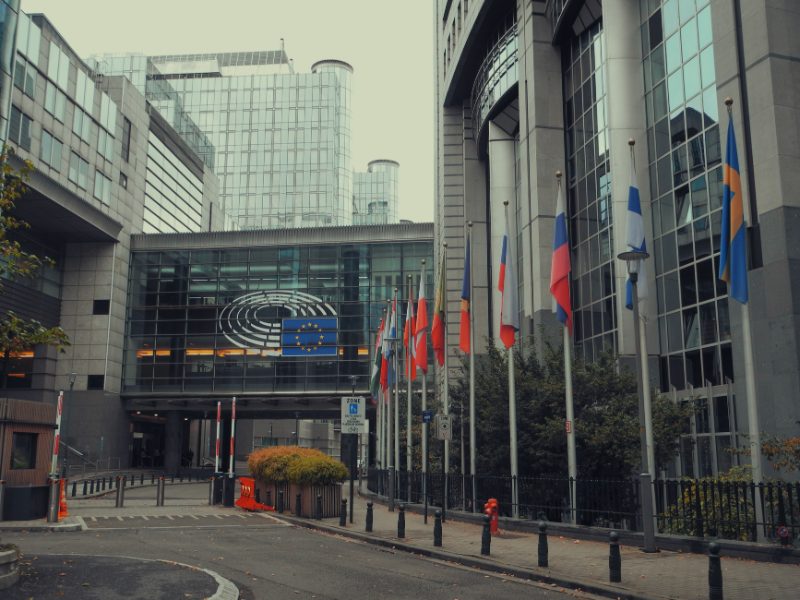
The European Commission has formally presented the landmark India-EU Free Trade Agreement to the EU Council for approval, moving what officials are calling the “mother of all deals” a decisive step closer to signature. The Commission’s proposal, confirmed in the second week of September 2026, sets the stage for the pact to be signed as early as December 2026 and enter into force in early 2027.
Negotiations between India and the European Union concluded in January 2026 after talks that began in 2007, were suspended in 2013, and were relaunched in 2022. The agreement is the largest trade deal either side has ever concluded, eliminating or reducing tariffs on 96 percent of EU goods exports to India while opening reciprocal access for Indian exporters, and the European Commission estimates the tariff cuts will save European businesses around €4 billion a year in duties.
How Will the India-EU FTA Change Trade Between the Two Economies?
Under the agreement, tariffs will fall sharply across sectors including automobiles, wines and spirits, and agri-food products entering India, while Indian exporters of textiles, leather, pharmaceuticals and engineering goods gain improved access to the 27-nation EU bloc, which remains one of India’s largest trading partners. The deal also covers non-tariff measures such as customs facilitation, technical standards recognition and provisions on sustainable development, intended to reduce friction for exporters on both sides once implemented.
What Do Trade Officials and Analysts Say?
Commerce Minister Piyush Goyal has previously described the India-EU trade talks as reaching an advanced and constructive stage, while European officials have emphasised the deal’s strategic value in diversifying supply chains away from concentrated dependence on any single trading partner. Trade analysts note the timing is significant, coming as both India and the EU navigate uncertainty in their respective trade relationships with the United States, giving both sides added incentive to conclude and ratify the agreement without delay.
Market and Trade Reaction
Export-oriented Indian sectors, particularly textiles, auto components and pharmaceuticals, have reacted positively to news of the Council referral, viewing it as a sign the long-negotiated deal is now entering its final procedural stretch. European industry groups, especially in the automobile and wines and spirits sectors, have similarly welcomed the move, given the scale of tariff elimination on their exports to the Indian market once the agreement takes effect.
What Happens Next?
The EU Council must authorise the agreement for signature, a step that could be completed in the coming weeks, after which formal signing is targeted for December 2026. The pact would then require ratification processes on both sides before entering into force in early 2027, and businesses in both India and the EU are expected to begin preparing for the revised tariff schedules and compliance requirements well ahead of implementation.
Frequently Asked Questions
When will the India-EU Free Trade Agreement be signed?
The European Commission has proposed the agreement for EU Council approval, with signature targeted for as early as December 2026 and entry into force expected in early 2027.
What tariff benefits does the India-EU FTA offer?
The agreement eliminates or reduces tariffs on 96 percent of EU goods exports to India, while also improving market access for Indian exporters, and is expected to save European businesses around €4 billion annually in duties.
Why is the India-EU FTA considered significant?
It is the largest trade agreement either India or the EU has ever concluded, following negotiations that started in 2007, and comes at a time when both sides are seeking to diversify trade relationships amid global tariff uncertainty.








Leave a comment