

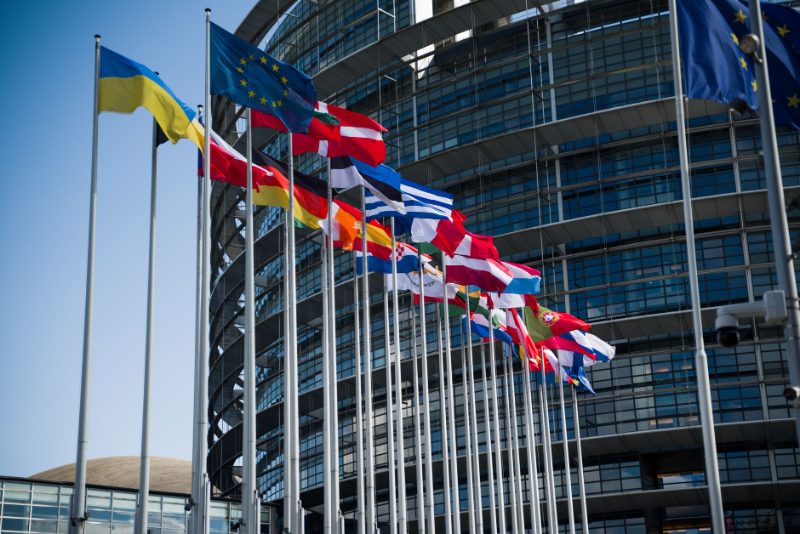
The European Commission on September 11, 2026 formally submitted proposals to the EU Council seeking authorisation to sign and conclude the India-EU Free Trade Agreement, moving the landmark deal a decisive step closer to signature after negotiations concluded on January 27, 2026. If the Council approves, the agreement could be signed by December 2026 and enter into force in early 2027.
The India-EU Comprehensive Trade and Economic Agreement is the largest free trade deal either side has concluded. Under the negotiated package, tariffs on about 96.6% of EU goods exports to India will fall or disappear over time, a change the European Commission estimates could save European exporters up to €4 billion a year in customs duties. India is simultaneously running its own ratification process through the Union Cabinet and the President’s office.
What Does the India-EU FTA Cover?
The agreement spans goods, services, government procurement and regulatory cooperation between India and the 27-member European Union, one of India’s largest trading partners. On the EU side, tariff elimination will apply to the vast majority of goods lines, while India has negotiated phased tariff reductions and safeguards for sensitive sectors such as automobiles, dairy and certain agricultural products. The deal also includes provisions on intellectual property, sustainability commitments and mutual recognition of standards intended to ease compliance costs for exporters on both sides.
What Do Indian Exporters Stand to Gain?
Indian exporters of textiles, leather, engineering goods, pharmaceuticals and gems and jewellery are expected to be among the biggest beneficiaries once EU tariffs fall, as the bloc is currently one of India’s top three export destinations. Industry bodies have described the deal as a chance to diversify away from over-reliance on any single market, particularly as India’s trade relationship with the United States remains unsettled. Indian textile and apparel exporters, in particular, have flagged the EU market as an opportunity to regain share lost to competitors such as Bangladesh and Vietnam, which already enjoy preferential EU access.
Market and Trade Reaction
European and Indian industry associations have broadly welcomed the Commission’s move to seek Council authorisation, calling it a sign the deal is on track for signature within 2026. Some EU member states and European farm lobbies have flagged concerns over agricultural market access, which could still complicate Council deliberations, while Indian auto component and dairy sector bodies are watching the final tariff phase-in schedules closely before committing to investment plans tied to the deal.
What Happens Next?
The EU Council must approve the Commission’s proposal before the European Parliament gives its consent, a process expected to play out over the coming months. On the Indian side, the Union Cabinet and President’s office are completing domestic ratification procedures in parallel. If both processes conclude smoothly, officials expect the agreement to be signed by December 2026, with entry into force targeted for early 2027.
Frequently Asked Questions
When could the India-EU FTA be signed?
If the EU Council authorises signature following the European Commission’s September 11, 2026 proposal, the agreement could be signed by December 2026 and enter into force in early 2027.
How much could the India-EU FTA save European exporters?
The European Commission estimates the agreement could save European exporters up to €4 billion a year in customs duties, as tariffs fall on about 96.6% of EU goods exports to India.
When did India and the EU conclude FTA negotiations?
India and the European Union concluded negotiations on the Comprehensive Trade and Economic Agreement on January 27, 2026, after multiple rounds of talks.











Leave a comment