

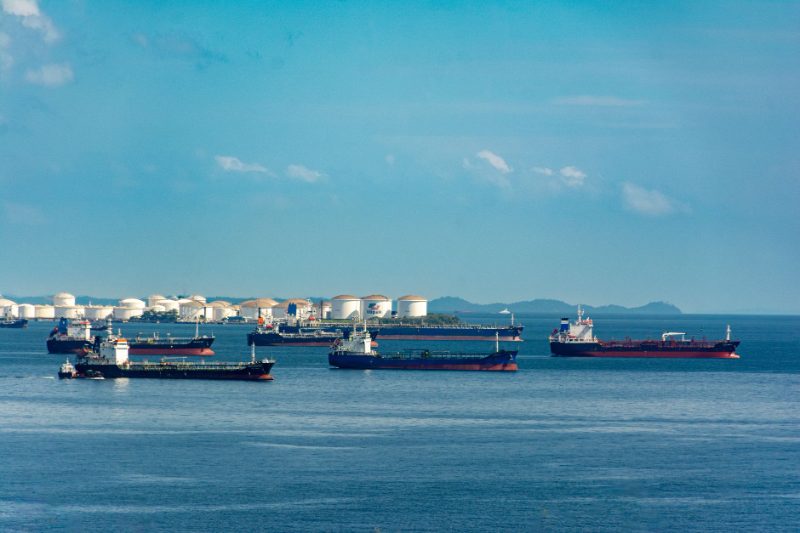
Iran submitted conditions to reopen the Strait of Hormuz to a United States envoy on September 22, 2026, according to state media reports, offering the clearest sign yet of a possible break in the crisis that has disrupted one of the world’s most critical oil-trade chokepoints. A senior Iranian official told Reuters that Tehran would reopen the waterway if the US “eases military pressure” and “lifts blockade” measures currently in place.
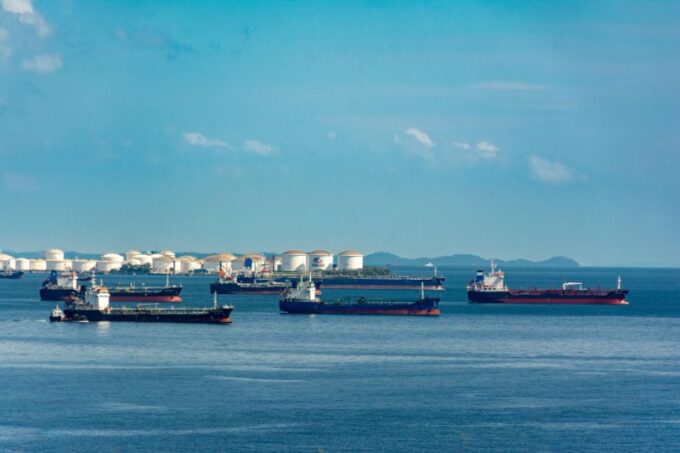
The development came as vessel traffic through the strait, which normally carries roughly a fifth of the world’s seaborne oil, fell to just two ships, forcing Saudi Arabia to restart its East-West pipeline to bypass the chokepoint entirely. US President Donald Trump confirmed that American and Iranian officials met at the United Nations on Tuesday, adding he would “make deal with Iran after election,” while Secretary of State Marco Rubio signalled openness to further talks.
How Has the Hormuz Standoff Affected Global Oil Trade?
The near-closure of the strait has forced major exporters to reroute cargoes and activate contingency pipelines, with Saudi Arabia’s East-West line taking on volumes that would normally transit by tanker. Brent crude fell 1.5% to $98.8 a barrel on September 22 alone, as markets weighed reports that Iran could reopen the waterway against continuing uncertainty over the timeline for any US-Iran settlement. Energy traders said the swing illustrates how sensitive global oil markets remain to any signal from the negotiating table, given that a full closure of Hormuz would strip out a fifth of global seaborne crude supply overnight.
What Do G7 Ministers and Analysts Say?
G7 foreign ministers issued a joint warning that “Iran’s actions create global economic instability,” calling for de-escalation even as they separately demanded that Houthi forces “immediately cease” concurrent attacks on Saudi Arabia that have complicated diplomatic efforts. Analysts tracking the standoff say the overlapping fronts, Iran’s negotiating position on Hormuz and the Houthi strikes on Saudi targets, have made a swift resolution harder to achieve, even as both Washington and Tehran signal willingness to keep talking.
Market and Trade Reaction
The prospect of a Hormuz reopening drove a broader rally in risk assets tied to energy-importing economies. The Indian rupee climbed to 95.59 against the dollar, its fifth consecutive session of gains, as falling crude prices eased pressure on the current account. HDFC Securities analyst Dilip Parmar said the rupee “surged following a sharp decline in crude oil prices, driven by reports that the Strait of Hormuz could soon reopen.” Shipping and freight-insurance costs on Gulf routes, which had spiked sharply during the standoff, are being closely watched by trade desks for signs of normalisation.
What Happens Next?
Trump has indicated that a comprehensive settlement with Iran is unlikely before the US electoral cycle concludes, meaning markets should expect continued volatility around Hormuz-linked headlines in the near term. G7 ministers are expected to hold follow-up consultations on both the Iran talks and the Houthi attacks on Saudi Arabia, while shipping lines and oil traders continue to monitor vessel-tracking data for any resumption of normal transit volumes through the strait.
Frequently Asked Questions
Why is the Strait of Hormuz important for global trade?
The Strait of Hormuz is a narrow chokepoint through which roughly a fifth of the world’s seaborne oil normally passes, making any disruption there a direct threat to global energy supply and prices.
What conditions has Iran set to reopen the strait?
According to Iranian state media, Tehran has told a US envoy it would reopen Hormuz if Washington eases military pressure and lifts the blockade currently restricting vessel movement.
How has the standoff affected oil prices and the rupee?
Brent crude fell 1.5% to $98.8 a barrel on reports of a possible reopening, while the Indian rupee extended gains to a fifth straight session, closing at 95.59 against the dollar as import costs eased.






Leave a comment