

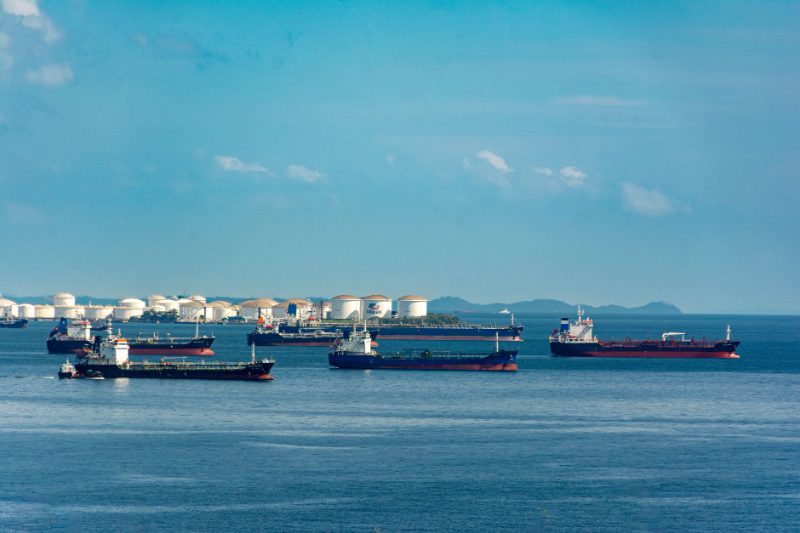
US President Donald Trump signed the Lindsey O. Graham Sanctioning Russia and Iran Act of 2026 into law on September 18, 2026, opening the door to tariffs of up to 100% on imports from the five largest foreign buyers of Russian crude oil and natural gas, directly threatening India’s trade position. India imports more than 88% of its crude oil requirements, and Russian crude made up over half of India’s $14.21 billion in crude imports in July 2026 alone.
The law passed the US Senate on August 7 and the House of Representatives on September 16 before Trump’s signature two days later. It takes effect within 30 days, during which the US Trade Representative will identify targeted countries and recommend tariff rates. Countries typically receive 180 days to reduce Russian energy purchases or negotiate directly with Washington before tariffs are imposed.
How Would 100% Tariffs Affect Indian Exporters?
A tariff of this scale, layered on top of existing US duties on Indian goods, would sharply undercut the competitiveness of Indian exports to the United States across sectors including textiles, engineering goods, gems and jewellery, and pharmaceuticals. The Global Trade Research Initiative (GTRI) has pointed to the 18% tariff rate referenced in the February 2026 India-US joint statement as an earlier benchmark that could serve as a floor for renewed negotiations, but a 100% punitive rate would be far more severe than anything previously discussed between the two countries.
What Does GTRI Recommend for India?
GTRI has urged India to resist unilateral concessions and protect its energy security rather than abandoning Russian crude purchases outright. The think tank’s assessment is that India should continue buying Russian oil as long as it remains commercially competitive, while negotiating firmly with Washington during the law’s transition window rather than making permanent trade concessions in exchange for temporary tariff relief. GTRI has separately flagged that India should push for a rollback of the existing 25% tariff tied to Russian oil purchases as import volumes are adjusted.
Market and Trade Reaction
Indian diplomatic channels have already engaged with US lawmakers on the issue, with India’s envoy in Washington discussing energy security directly with Senator Lindsey Graham amid the rising tension over Russian oil imports. Exporters in tariff-sensitive sectors are watching the 30-day implementation window closely, as any formal designation of India as a targeted country would trigger renewed uncertainty for shipment planning and pricing contracts with US buyers.
What Happens Next?
The US Trade Representative’s designation of targeted countries is expected within 30 days of the law’s September 18 signing, placing the decision window in mid-October 2026. If India is named, it would then have up to 180 days to either reduce Russian energy purchases or reach a negotiated arrangement with Washington before tariffs of up to 100% could take effect. Indian trade officials and GTRI are expected to continue pressing for a negotiated outcome rather than an abrupt disruption to India’s oil sourcing.
Frequently Asked Questions
What is the Lindsey Graham Sanctioning Russia and Iran Act?
It is a US law signed by President Trump on September 18, 2026, that authorises tariffs of up to 100% on imports from the largest buyers of Russian crude oil and natural gas, including India.
How much Russian oil does India import?
India imported $7.27 billion worth of Russian crude in July 2026 alone, out of total crude imports of $14.21 billion, with Russia now its largest single source of crude oil.
What is GTRI advising India to do about the tariff threat?
GTRI has advised India to protect its energy security, continue buying commercially competitive Russian oil, and negotiate firmly with Washington rather than making permanent trade concessions for temporary tariff relief.









Leave a comment